
Stopping Weeds From Taking Over Your Driveway Cracks
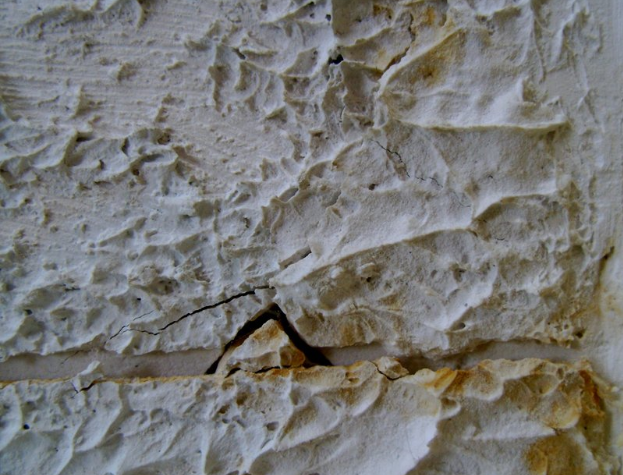
A hairline crack in your driveway may seem harmless, yet in Australian conditions it rarely stays empty for long. Within a single warm season, a tiny opening fills with blown-in dust, leaf litter and the seeds of opportunistic plants. Before long, a green shoot forces its way through the surface and starts splitting the gap wider with every root.
The plants that thrive in these tight spaces are remarkably tough. They survive the scorching concrete of a Perth January, the humid Brisbane summer and the dry winds that whip through inland towns. Their roots wedge into the smallest fissures, gradually widening them until water can pool and finish the job. By the time most homeowners notice, the damage is well underway.
Australian driveways are particularly prone to weed invasion because of how they are built. Many Sydney and Melbourne properties use exposed aggregate, poured concrete or clay brick paving over a sand base, each with joints where seeds lodge. A seasonal routine of small steps keeps the surface tidy and avoids the cost of relaying pavers or jackhammering concrete.
Working with the climate makes the job easier. Australian summers bake out moisture from cracks, while the cooler months are a good window for sealing work. Knowing which weeds are common in your region, and which control methods your council permits, sets up a long-lasting fix.
Understanding What Grows in Your Driveway
The green shoots between pavers are usually a handful of hardy species. Winter grass, crabgrass and flatweed are regulars in Melbourne's older suburbs, while bindii and cobbler's pegs appear further north. Capeweed, Paterson's curse and various thistles also turn up in regional areas, often carried in on shoes or by wind. Each plant has a different root structure, but they all share a knack for surviving compacted soil and minimal water.
Identifying the plant helps you choose the right approach. Annual grasses come back from seed, so stopping them before they set flower heads is the priority. Perennial weeds with taproots, such as dandelions or flatweed, store energy underground and regrow from any fragment left behind. State herbaria in each capital city offer free identification guides with photographs to help you compare what you see at home.
Climate shapes which plants take hold. Coastal suburbs deal with salt spray and sandy soils, so weeds such as sea spurge or pigface become common. Inland areas with heavier clay, like much of Adelaide's foothills, see more flatweed and soursob. Knowing your region tells you which species to expect and helps you time your prevention work.
Removing Existing Growth Before You Start
Any prevention plan works best on a clean surface. Pulling the visible greenery out by hand is the first move, and a narrow weeding tool or old kitchen knife works well in tight gaps. For stubborn roots, a wire brush helps scrape debris from wider joints. Wear sturdy gloves, since prickly pear seedlings or thistles can irritate skin.
For tougher infestations, a weed torch or steam cleaner softens root systems so they lift out cleanly. These tools are sold at hardware chains like Bunnings and Mitre 10, with entry-level models starting around fifty dollars. Take care near timber edging or dry grass, particularly during summer when bushfire risk is elevated across much of the country.
Once the bulk is gone, sweep the area thoroughly. A stiff-bristled broom removes loose soil and seeds that would otherwise germinate after rain. A leaf blower set on low clears the dust hiding in deeper cracks, leaving a clean surface ready for sealing.
The Power of Boiling Water and Natural Solutions
For homeowners wary of chemicals, boiling water is a surprisingly effective weapon. Poured directly onto young weed shoots, it scalds the leaves and travels down to cook the roots. Two or three applications spaced a week apart usually finish off annual plants. The method is free, leaves no residue and is permitted in every Australian council area.
Vinegar-based sprays are another option, though their strength varies. Household white vinegar sits around five percent acetic acid and burns foliage on contact, while horticultural vinegar reaches twelve to twenty percent and goes further. Spray on a still, dry morning so the liquid stays on the leaves rather than washing into nearby garden beds, where it can harm lawn and native plants.
A paste made from salt and dish soap also kills growth in cracks, but use it sparingly. Salt lingers in the soil for years and can leach into surrounding lawn or garden beds, so it suits isolated driveways rather than spaces beside prized plants. In water-restricted regions, weigh up whether to use drinking water for boiling.
Sealing Cracks with the Right Materials
Once the cracks are clean and dry, filling them is the heart of the prevention plan. Polymeric sand, swept into the joints between pavers and then misted with water, hardens into a flexible barrier that blocks new seeds while still allowing the surface to breathe. A twenty-kilogram bag covers around five square metres of standard brick paving.
For wider cracks in poured concrete, a quality concrete filler or self-levelling sealant does the job. Clean the gap with a wire brush, blow out the dust, then apply the product slightly proud of the surface and smooth with a damp cloth. Most fillers cure within twenty-four hours, so avoid parking on the area for at least a week.
Backer rod is useful for deep gaps that would otherwise swallow expensive sealant. Press the foam rope in first, leaving about a centimetre for the sealant on top. This saves money on long driveways and creates a flexible repair that handles temperature swings, which can be sharp between a Canberra winter night and a summer afternoon.
Choosing Safe Chemical Options Under Australian Rules
When natural methods are not enough, herbicides can play a role, but Australian rules matter. The Australian Pesticides and Veterinary Medicines Authority registers products for use, and state environment authorities set local restrictions. Some councils in Queensland and New South Wales have phased out glyphosate in sensitive catchment areas, so always check the label before spraying.
For most home driveways, a targeted glyphosate gel applied with a brush or a selective broadleaf spray is sufficient. Gels minimise drift onto surrounding lawn and garden beds, which is helpful where native plants grow nearby. Spot-treat on a calm day, keep children and pets off the area until it dries, and store any unused product in a cool, locked cupboard.
Wear long sleeves, gloves and eye protection when handling concentrate, and never mix products unless the label clearly allows it. Rinsing containers three times before disposal at a local drumMUSTER collection point is the legal expectation in most regions. A small amount of care keeps your driveway clear without putting the rest of the garden, or local waterways, at risk.
Long-Term Maintenance Habits for Australian Conditions
Prevention really is a habit rather than a one-off task. A quick sweep every few weeks removes dust and seeds before they settle into cracks. Once a season, walk the driveway with a kettle of boiling water and pour it along any joints where green is starting to appear. This ten-minute job saves hours of scrubbing later and costs almost nothing.
Keep edges trimmed so grass and weeds cannot creep sideways into the paving. A fortnightly mow with the line trimmer flicked along the border makes a real difference. In areas with heavy leaf fall, such as suburbs lined with plane trees in Melbourne or jacaranda streets in Brisbane, clear the leaves promptly before they break down into a seed-friendly mulch.
Re-seal the driveway every few years to refresh the protective layer. Concrete sealers typically last three to five years in Australian sun, while pavers benefit from a fresh coat of joint stabiliser every couple of seasons. The same attention given to a sticking door repair applies here, since small, regular checks prevent bigger jobs later on.
When to Call a Professional or Replace Sections
Sometimes prevention is no longer enough. If the cracks are wider than a finger, the surface is lifting or water is pooling in sunken spots, it is worth getting a quote from a paving or concreting specialist. Most Australian contractors will inspect the job for free and give a written quote that breaks down labour, materials and waste removal in line with local licensing rules, and the latest maintenance posts include a checklist for vetting trades in your state.
Replacement becomes the better option when more than a quarter of the surface shows movement or the foundation has failed. Modern permeable paving is popular in newer estates around Sydney's growth corridors, since it handles stormwater runoff and resists weed pressure far better than old-style concrete. Sorting the driveway protects the rest of the home from runoff and stops small problems from turning into costly repairs.
Pour a kettle of boiling water along every visible crack this Saturday and sweep polymeric sand into the joints while the surface is still dry — the home upkeep library walks through the rest of the sealing job in detail.