


How to Prevent Water Stains on Your Ceiling from a Leaky Roof
A brown ceiling mark is often the visible result of a much larger moisture problem. Water may travel along rafters, insulation, wiring, or drywall before it appears indoors, so the stain is not always directly below the roof leak. Acting quickly can limit structural damage, mold growth, and the cost of repairs.
Preventing ceiling water stains starts with regular roof inspections, clean drainage systems, and prompt attention to damaged shingles or flashing. Homeowners should also know how to respond when water enters the house, because the first few hours can make a meaningful difference.
A roof does not have to be visibly collapsing to allow water inside. Small openings around vents, chimneys, skylights, valleys, and roof edges can admit enough rainwater to discolor drywall. Understanding where leaks begin makes prevention more reliable.
Why Roof Leaks Cause Ceiling Stains
Ceiling stains usually develop when roofing materials, underlayment, or flashing fail to keep rain out. Missing shingles, cracked sealant, lifted flashing, and exposed nail heads are common entry points. Ice, wind, falling branches, and repeated temperature changes can weaken these areas over time.
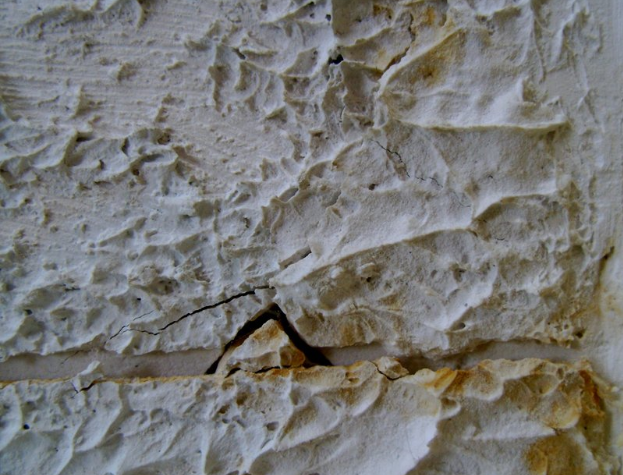
The first mark may look pale yellow, tan, or brown, then expand after each storm. Bubbling paint, peeling texture, sagging drywall, and a musty smell indicate that moisture is still present or has been trapped above the ceiling. Painting over the spot without fixing the source only hides the evidence temporarily.
Water exposure can affect more than drywall. Damp insulation loses effectiveness, roof framing can weaken, and persistent moisture may attract insects. If you notice both roof-related dampness and possible pest activity, review guidance on termite mud tubes because moisture and wood-to-soil contact can increase termite concerns around a home.
Inspect The Roof Before Rain Arrives
Look over the roof from the ground twice a year and after severe weather. Use binoculars to check for missing, curled, cracked, or displaced shingles, dark patches, damaged ridge caps, and debris collecting in valleys. Avoid climbing onto a wet, steep, or visibly damaged roof, since falls are a serious risk.
Inspect attic spaces from the inside when conditions are safe. Look for damp insulation, water trails, darkened rafters, rusty nails, or daylight showing through the roof deck. A leak may be inactive during a dry inspection, so fresh stains or moisture readings can provide useful clues even when no dripping is occurring.
Pay special attention to roof penetrations. Plumbing vents, chimneys, skylights, satellite mounts, and exhaust fans create openings that depend on properly installed flashing and seals. Check whether caulk is cracked or separated, but do not rely on surface caulk as a substitute for damaged flashing or missing roofing materials.
Respond Quickly When Water Enters
Place a container beneath active drips and move furniture, electronics, rugs, and other belongings away from the area. If the ceiling is bulging, do not stand underneath it. A swollen section can release a large amount of water or collapse when its materials become saturated.
If water is near a light fixture, ceiling fan, outlet, or wiring, turn off power to the affected circuit only if the electrical panel can be reached safely and the area is dry. Do not touch wet electrical equipment. Contact a qualified electrician when there is any doubt about electrical safety.
After the immediate hazard is controlled, document the damage with dated photographs. Ventilate the room when outdoor humidity is reasonable, and use fans or a dehumidifier if electricity is safe. Drying wet materials within roughly 24 to 48 hours can reduce the likelihood of mold, although porous insulation and heavily saturated drywall may require professional assessment.
Choose The Right Repair For The Leak
A small, isolated problem may involve replacing a few shingles or resealing a sound flashing joint. Larger issues can involve deteriorated underlayment, poor roof installation, widespread granule loss, or structural damage. The appropriate solution depends on the roof’s age, slope, material, and the extent of water intrusion.
Do not judge the repair by the ceiling alone. The stained drywall may need to be dried, sealed, and repainted after the roof is repaired, but covering it first makes it harder to verify that the leak has stopped. If the ceiling remains soft, damp, or discolored after several dry days, additional moisture may be entering from another location.
| Warning Sign | Likely Concern | Appropriate Response |
|---|---|---|
| One small stain after heavy rain | Localized roof opening | Inspect nearby shingles, flashing, and penetrations |
| Repeated staining in the same area | Unresolved or traveling leak | Arrange a detailed roof and attic inspection |
| Sagging or bubbling ceiling | Saturated drywall | Keep clear, control the water, and seek prompt assessment |
| Musty odor or widespread discoloration | Trapped moisture or mold risk | Dry the area and evaluate affected materials |
| Water near a fixture | Possible electrical hazard | Avoid contact and isolate power safely |
A roofing professional can use attic tracing, moisture meters, and controlled water testing to locate a difficult leak. Ask for a clear explanation of the entry point and the recommended repair rather than accepting a cosmetic ceiling treatment alone.
Control Gutters And Roof Drainage
Blocked gutters and downspouts allow rainwater to back up beneath shingles or spill against exterior walls. Clean gutters at least twice a year and more often when trees overhang the roof. Check that downspouts discharge several feet away from the foundation and that extensions remain connected after storms.
Sagging gutters, loose fasteners, and separated seams should be corrected before the next period of heavy rain. Guards can reduce leaf buildup, but they do not eliminate maintenance. Fine roof granules, pine needles, and small debris can still collect on top of or beneath some guard systems.
Trim branches that scrape the roof or drop heavy limbs, while preserving safe clearance around the structure. Keep roof valleys and drainage paths free of leaves. These simple measures reduce water backup and make it easier to notice damaged roofing during routine inspections.
Protect The Ceiling And Foundation
Indoor moisture problems may extend beyond the room where a stain appears. Check adjacent walls, upper-floor flooring, and attic insulation for dampness. Also inspect basement or crawlspace areas after prolonged rain, since water movement through walls and floors may signal drainage problems rather than a roof leak. This guide to foundation water damage can help distinguish related warning signs.
Keep indoor humidity under control with bathroom fans, kitchen ventilation, and properly vented dryers. High humidity does not cause a roof opening, but it can worsen condensation and make ceiling discoloration appear similar to a leak. A hygrometer can help identify consistently high indoor moisture levels.
Schedule a seasonal home check that includes shingles, flashing, gutters, attic ventilation, insulation, ceilings, and exterior grading. Record the date, observed defects, and repairs completed. A maintenance history helps reveal whether a stain is new, recurring, or connected to a larger drainage pattern.
A Practical Roof Maintenance Routine
Use this short routine to reduce the chance of recurring ceiling damage:
- Inspect visible roofing, flashing, vents, and skylights in spring and fall.
- Clean gutters and test downspouts before the wettest season.
- Check the attic after major storms for damp insulation, trails, or daylight.
- Seal or repair small defects promptly, using materials suited to the roofing system.
- Photograph new stains and arrange an inspection before repainting the ceiling.
When working at height, choose a stable method and avoid ladders during wind, rain, or icy conditions. Many roof tasks are safer and more effective when handled by a qualified contractor, especially on steep roofs or around electrical and chimney components. Homeowners seeking broader upkeep guidance can explore the site's home maintenance resources for related prevention topics.
Keep Small Leaks From Becoming Major Damage
A ceiling stain is a warning, not a decorating problem. Trace the moisture source, protect the room, address electrical risks, and dry affected materials as soon as conditions allow. Then repair the roof defect and inspect the attic and surrounding structure for hidden consequences.
Add roof drainage and attic checks to your regular home maintenance calendar, and keep photographs of any changes. Early detection gives you the best chance of preventing recurring stains, mold, damaged insulation, and expensive structural repairs. Take the next dry day to inspect your roofline, gutters, attic, and ceilings before the next storm exposes a weakness.