How to prevent wasps from nesting under your eaves
Australians know the uneasy feeling of stepping into the back garden on a warm October afternoon and spotting that telltale papery bulge beneath the roofline. Wasps adore the sheltered, dry cavities where the fascia meets the roof, and once a queen claims a favourite spot, the colony multiplies fast through the warmer months. From the fibro homes of Perth to the brick-and-tile builds of Brisbane, every style of Australian roof tends to offer some wasp-friendly pocket.
The window between late winter and early spring is when paper wasps and the aggressive European wasps start scouting for nesting sites. Their nests are built from chewed wood pulp mixed with saliva, and a small grey bud the size of a thimble in August can swell to house thousands of workers by January. Coastal Queensland and northern New South Wales often see activity starting even earlier, particularly after a mild winter.
Stopping a colony before it becomes established is far simpler, safer, and cheaper than removing a mature nest from under the eaves. With a few seasonal habits and some careful sealing work, your home can stay wasp-free for years to come.
Why eaves attract wasps in the first place
The architectural features that make an Australian home comfortable also make it irresistible to a nesting wasp. Eaves provide an overhanging lip of protection from rain and harsh sun, while the narrow gap where the roof sheeting meets the wall creates a dark, warm cavity that mirrors the hollow tree trunks wasps evolved to occupy. Wide-eaved Queenslanders, classic federation cottages, and modern homes with deep fascia boards all offer the same sort of prime real estate.
Height is another reason eaves work so well for wasps. The elevated position keeps the nest out of reach of most ground predators and well clear of curious pets, while the heat absorbed by the roof sheeting during the day radiates back down overnight, helping young brood develop quickly. Combine that with easy flight paths to flowering gum trees, veggie patches, and outdoor entertaining areas, and the eaves become an obvious choice for a queen looking to build.
In suburban streets from Melbourne to the Hills District in Sydney, homes on the sunny northern side of the road attract wasps earlier than shaded ones. The radiant warmth feels like a perfect nursery, and once one nest appears in a row of houses, neighbours usually spot their own problems within a few weeks.
Recognising the early warning signs
The earliest clue is usually a single wasp flying back and forth along a particular stretch of eave, often landing in the same spot. This is the queen, testing the surface and beginning to shape her first cells. Activity tends to peak in the middle of the day, and it can last a couple of weeks before any visible structure appears.
A brand new nest looks like a tiny grey droplet, often no bigger than a five-cent coin at first. They commonly attach to wall plates, the underside of metal roofing, or the soffit lining of verandas, so a quick scan with a ladder and a torch each spring is well worth the few minutes it takes. Magpies and peewees often start patrolling eaves more aggressively once wasps appear, which can be a useful secondary sign.
Droppings are another subtle clue. The faint black specks that accumulate on a deck, BBQ, or outdoor setting are pellets of waste cleared from the developing larvae. Following the line of sight upward from those specks often leads straight to the nest itself.
Sealing gaps and blocking access
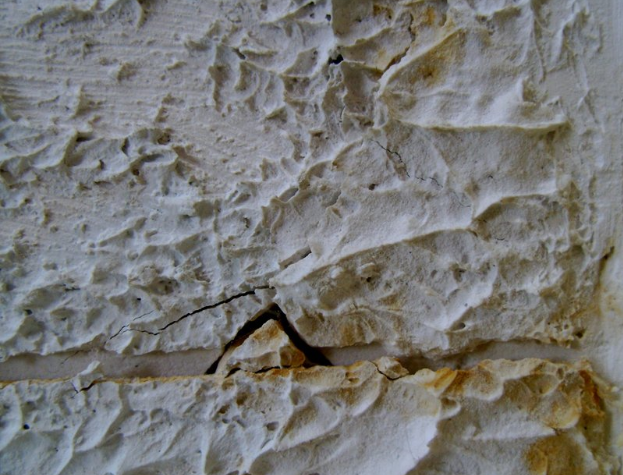
Physical prevention is the most reliable long-term defence. Walk around the house each year in late August and inspect every junction between the roof, fascia, soffit, and external wall. Hairline cracks, old vent openings, and gaps around downpipe brackets are all easy entry points, and a tube of exterior-grade filler or a roll of fine insect mesh from a place like Bunnings will fix most of them in an afternoon. The broader sealing habits covered in practical home maintenance advice often overlap with pest prevention.
Old nests release a chemical scent that encourages new queens to return the following year. Where it is safe to do so, scrape away the empty paper shell with a long pole or a low-pressure jet of water, then wipe the area with a damp cloth and a touch of dishwashing liquid. Work at dusk rather than midday, when any surviving workers will be sluggish and inside the structure.
Roof vents, whirlybirds, and weep holes can be screened with fine aluminium mesh that allows airflow but stops wasps from squeezing through. Guttering should be kept clear too, because soggy leaves and pooled water create a humid microclimate against the fascia that wasps find even more attractive. Good airflow under the eaves actually makes the area less appealing for nesting, since the insects prefer still, warm pockets.
Plants, sprays, and scent-based deterrents
A range of Australian-friendly plants can discourage wasps from settling close to the house. Wormwood, eucalyptus, citronella, and peppermint are all scents wasps actively avoid, and planting them in pots or garden beds near the eaves creates a buffer zone without chemical sprays. Fresh eucalyptus leaves crushed and tied in muslin bags can be hung in sheltered corners during spring, and the aroma is strong enough to make a scouting queen choose a neighbour's roofline instead.
For a ready-made option, peppermint oil diluted in water (about twenty drops per 500 ml in a spray bottle) can be misted along potential nesting sites every couple of weeks through spring. White vinegar works in a similar way and leaves no residue on painted surfaces. Broad-spectrum insecticides should be avoided, since they also kill bees, lacewings, and other beneficial visitors.
Verandas, sheds, and outdoor entertaining areas also benefit from a rotation of scent deterrents. Wasps that scout under a veranda roof in Melbourne one year may quietly rebuild in the same spot the next, and a steady routine of cleaning, sealing, and refreshing your chosen deterrent keeps the pressure on consistently.
Safe removal and when to call a professional
A small, golf-ball-sized nest discovered in winter before any workers have hatched can sometimes be tackled with confidence using protective clothing, a long-handled scraper, and a jet of soapy water. Anything larger, or anything built in a space you cannot clearly see, deserves a professional. Australian pest control operators are licensed in every state and carry the right equipment for both paper wasp and European wasp colonies.
Pricing for a single nest removal in Australia typically ranges from about $120 to $300 depending on height, location, and species. Many providers will inspect the rest of the home while on site. After any removal, ask the technician to point out the access points they suspect the wasps used, and seal them the same day. For homeowners who also want help with related upkeep tasks, including carpet cleaning tips after wasps have been tracked indoors, a quick browse of specialist guides helps round out the seasonal routine.
Once the nest is gone, watch the same spot carefully for the rest of the season. A handful of foraging wasps sometimes linger for a few days, and a few returning scouts may attempt to rebuild if the scent trail is still strong. Hanging a fresh eucalyptus sachet over the old attachment point and sealing it with a dab of filler usually convinces them to move along.
The real trick is a mid-September walk-around with a ladder, a torch, a tube of filler, and a bottle of peppermint spray. Spend twenty minutes on that single task each year and the chances of a full-blown colony under your eaves drop sharply, leaving you free to enjoy the long warm evenings without a second thought.