
How to Prevent Termites from Entering Through Wood-to-Ground Contact
Termites rarely need an obvious opening to reach a house. When untreated wood touches soil, it creates a concealed bridge between the colony and the structure. Moisture in that contact area also softens wood, hides termite activity, and makes inspection more difficult.
The risk is common around porch posts, deck supports, stair stringers, fence attachments, crawl-space framing, planter boxes, and siding installed too close to grade. A few inches of clearance and consistent moisture control can greatly reduce the chance of an infestation.
Prevention works best as a routine rather than a single treatment. Homeowners should inspect the perimeter, correct construction details that connect wood with earth, and monitor damp areas after rain or irrigation.
Why Wood-to-Ground Contact Matters
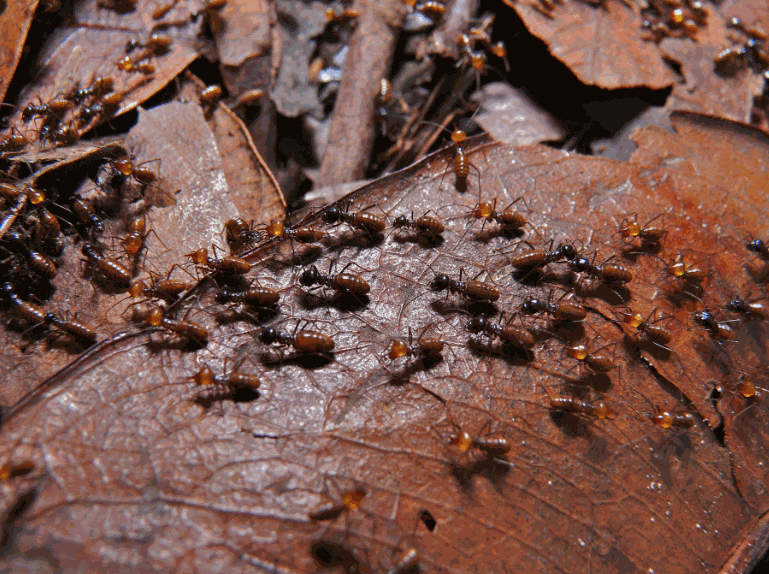
Subterranean termites live in soil and travel through underground galleries or mud tubes to find cellulose. A wooden post set directly into the ground gives them a protected route upward. They can enter from the underside or from hidden cracks where the soil meets the wood.
Ground contact also keeps lumber damp. Termites prefer moist conditions, while damp wood is more likely to decay and develop gaps that conceal activity. Even pressure-treated lumber can eventually become vulnerable if its protective chemicals break down or if cuts and drilled areas are left unsealed.
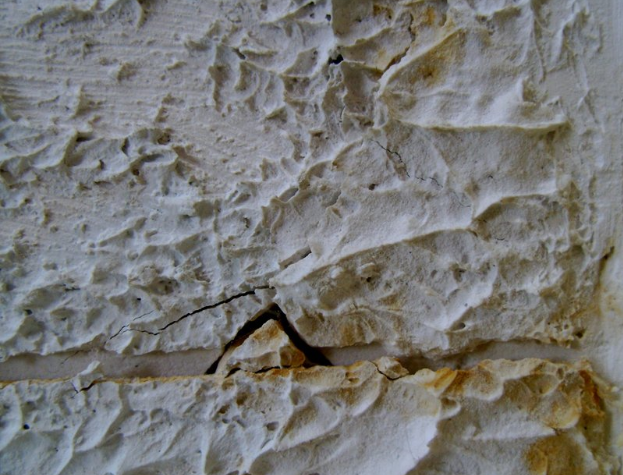
Look closely at places where the soil line is obscured by mulch, leaves, vines, or dense landscaping. Termite mud tubes may appear as narrow brown lines climbing a foundation, pier, post, or wall. Hollow-sounding wood, blistered surfaces, discarded wings, and small piles of frass can also warrant further investigation.
Find Contact Points Around the House
Walk around the entire foundation with a flashlight. Check whether siding, trim, lattice, porch framing, steps, or deck boards touch the soil. Pay special attention to crawl-space access points and areas where a raised structure joins the house.
Wooden utility structures can create the same problem even when the main building is clear. Leaning fences, trellises, retaining-wall components, firewood racks, and landscape edging may sit against the exterior wall and provide hidden access. Keep these items separate from the foundation whenever possible.
Use a probe or screwdriver only on visibly damaged, nonstructural wood. Do not pry into load-bearing posts or framing if you suspect an active infestation. A professional inspection is safer when structural components appear soft, hollow, or extensively tunneled.
| Area to inspect | Warning sign | Safer correction |
|---|---|---|
| Porch or deck posts | Posts buried in damp soil | Use suitable piers or approved supports with clearance |
| Exterior siding | Bottom edge touches grade | Lower soil and maintain a visible inspection gap |
| Steps and stringers | Wood rests on earth | Install masonry or metal separation points |
| Mulch beds | Mulch covers the foundation | Pull mulch away and keep the wall visible |
| Crawl-space perimeter | Mud tubes or damp soil | Improve drainage and arrange a qualified inspection |
| Firewood storage | Logs lean against the house | Store firewood raised and away from exterior walls |
Keep Soil and Water Away
Maintain a visible gap between the soil and wood portions of the home. The exact clearance depends on the siding, foundation, local building requirements, and site conditions, so follow applicable codes and manufacturer instructions. The key principle is that the wall and structural components should remain inspectable.
Slope soil away from the foundation so rainwater drains outward instead of collecting near posts or crawl-space walls. Repair leaking hose bibs, downspouts, gutters, and irrigation lines promptly. A small leak can keep one section of soil damp for long enough to attract termites and accelerate wood decay.
Avoid placing thick mulch against the foundation. Organic mulch can retain moisture and conceal mud tubes, even though termites do not feed on most common mulch materials. Leave a narrow inspection zone around the wall, and remove leaves or grass clippings that accumulate against siding and supports.
Separate Posts, Decks, and Steps
When replacing a ground-contact post, do not simply bury a new piece of lumber in the same damp hole. A suitable repair may involve a concrete footing, a properly rated post base, or another support system designed for the structure and local conditions. The connection should prevent constant soil contact while carrying the required load.
Decks and stairs deserve special attention because their framing may sit close to grade. Keep end cuts sealed with an appropriate preservative, use corrosion-resistant connectors, and replace decayed components rather than covering them with new boards. Cosmetic repairs can hide damage without removing the termite pathway.
Do not block ventilation openings with soil, plants, or lattice. Crawl spaces need adequate airflow and drainage, and access points should remain available for inspection. If a support appears unstable or severely damaged, restrict use of the area until a qualified contractor or structural professional evaluates it.
Manage Landscaping Near the Foundation
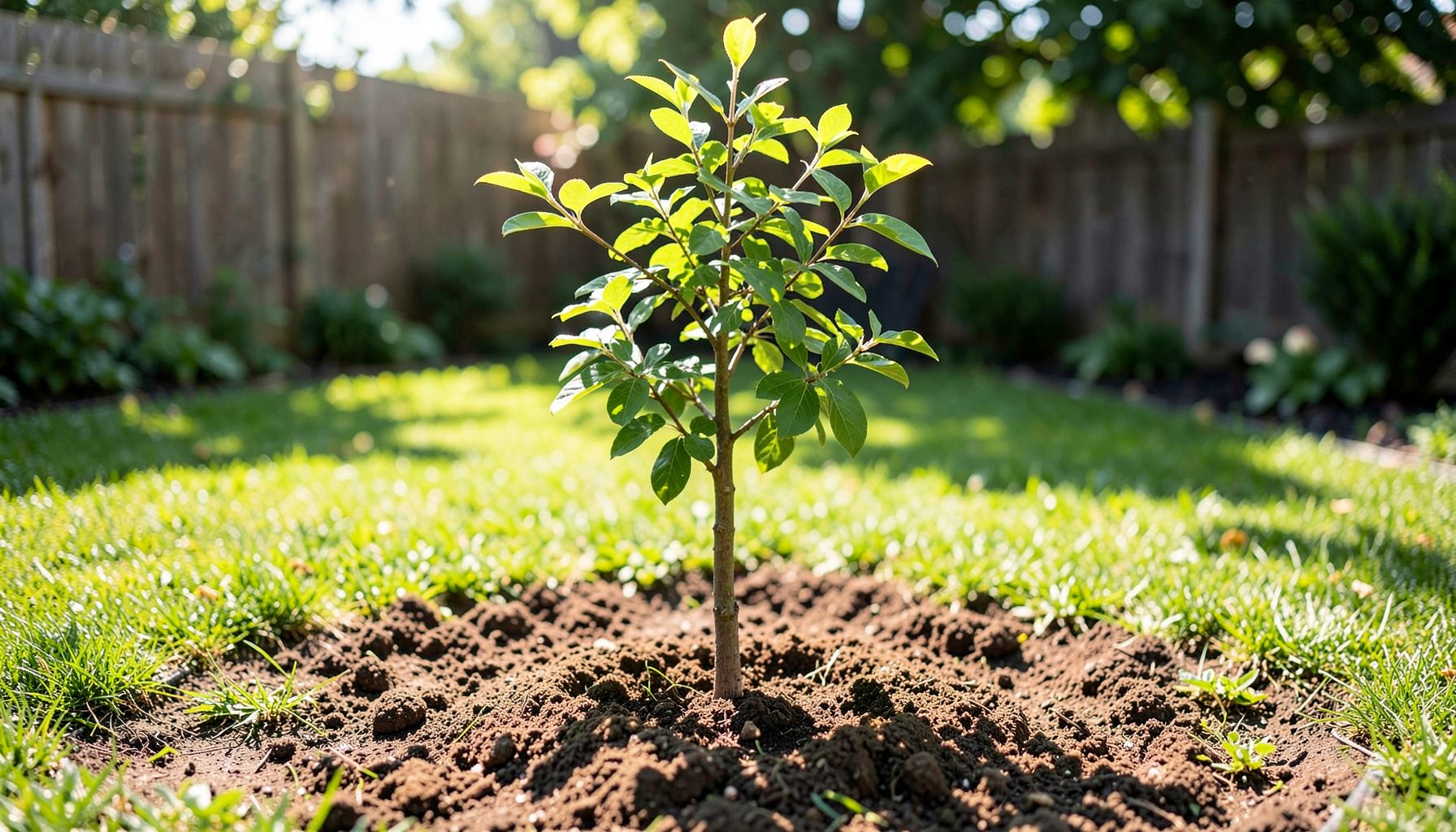
Trees and large shrubs can affect termite prevention indirectly. Their roots may disturb drainage, dense foliage can hide the foundation, and frequent watering can keep soil wet near wood supports. Plan new plantings far enough from the house to preserve access, mature root space, and a dry inspection strip. Guidance on tree care and placement can help homeowners consider these issues before landscaping becomes difficult to manage.
Do not place a tree where its mature roots or irrigation needs will interfere with a crawl space, drainage line, septic system, or structural support. A well-intended planting can create long-term moisture and access problems if its final size is ignored.
Keep vines from climbing siding, porches, or foundation walls. Trim shrubs so the base of the wall remains visible, and direct sprinklers away from wood, vents, and the house perimeter. These simple landscaping habits make early termite signs much easier to spot.
Correct Existing Wood-to-Soil Contact
Start by documenting the problem with photographs and identifying whether the wood is decorative, nonstructural, or load-bearing. Removing soil from around a post may weaken it if the post is carrying a porch, deck, or roof. Structural work should be planned before excavation begins.
If soil has built up against siding, remove it carefully and preserve proper drainage. A gap that exposes a foundation may reveal other concerns, such as cracked masonry, water entry, or damaged flashing. Correct those issues so the new separation remains effective after future rain and settling.
Landscaping projects should also account for buried utilities and septic components. Before planting or excavating near those areas, review advice about planting near septic systems and confirm the location of underground features. Never dig around a structural support or utility line without taking appropriate safety precautions.
If mud tubes, live termites, extensive damage, or repeated activity are present, contact a licensed pest professional. Soil treatments and bait systems require careful placement and may be regulated. Do not apply pesticides to structural wood or soil unless the product is labeled for that use and all directions are followed.
Build a Simple Inspection Routine
A perimeter check every few months is useful, with additional inspections after heavy rain, flooding, plumbing leaks, or major landscaping work. Use a flashlight to examine shaded areas and record changes with dated photographs. Early detection is easier when the foundation was previously documented.
Focus on prevention tasks that remove moisture and concealment:
- Keep wood supports elevated or separated from soil with an approved system.
- Maintain a visible gap between grade, mulch, siding, and foundation components.
- Direct gutters, downspouts, and irrigation discharge away from the house.
- Store firewood, cardboard, and lumber off the ground and away from exterior walls.
- Arrange a professional evaluation when mud tubes or structural damage appear.
A clean inspection zone does not guarantee that termites will never reach a home, but it reduces favorable conditions and improves the odds of finding activity early. Combine good drainage, sound construction details, careful landscaping, and regular monitoring to protect vulnerable wood for the long term.
Inspect the perimeter this week, mark every place where wood meets soil, and address the easiest moisture and clearance problems first. Prompt attention to these small connections can prevent a hidden termite route from becoming expensive structural damage.