
How to Prevent Spider Infestations in Basements
Basements provide many of the conditions spiders seek: darkness, quiet corners, steady humidity, and a reliable supply of insects. A few spiders may be harmless and beneficial, but a growing number of webs, egg sacs, or sightings can indicate that the space is supporting an ongoing pest cycle.
The most effective approach is to make the basement less attractive rather than relying only on sprays. Reducing moisture, sealing entry points, removing clutter, and controlling insects addresses the reasons spiders settle indoors. Regular inspections also help you find small problems before they become expensive home repairs.
Understand Why Spiders Gather Belowground
Spiders usually enter basements through gaps around windows, doors, utility lines, foundation joints, and vents. Some also move indoors while searching for prey. If a basement has ants, flies, silverfish, or other small insects, it can function as a dependable feeding ground.
Humidity is another major factor. Damp walls, condensation, plumbing leaks, and poor drainage create an environment that supports both spiders and the insects they hunt. A basement does not need to be visibly flooded to have a moisture problem; musty odors, peeling paint, staining, and persistent condensation are useful warning signs.
Control Moisture And Standing Water
Use a dehumidifier to keep relative humidity around 30% to 50%, and empty or drain the unit regularly. Improve air movement with safe fans when appropriate, but do not use electrical equipment near active leaks or standing water. Check around water heaters, washing machine connections, sump pumps, floor drains, and exposed pipes for dampness.
Small plumbing issues should be addressed promptly. For example, a slow drip from a fixture can add unnecessary humidity over time, and this guide to fixing a worn faucet washer explains a basic repair that may stop one source of moisture. Larger leaks, repeated backups, or water entering through the foundation require a qualified professional.
Inspect gutters and downspouts outside the basement as well. Downspouts should discharge water several feet away from the foundation, while soil should slope away from the house. If tree roots are pushing against drainage lines or affecting the foundation, review when to call about tree root problems before attempting excavation.
Seal Cracks And Entry Points
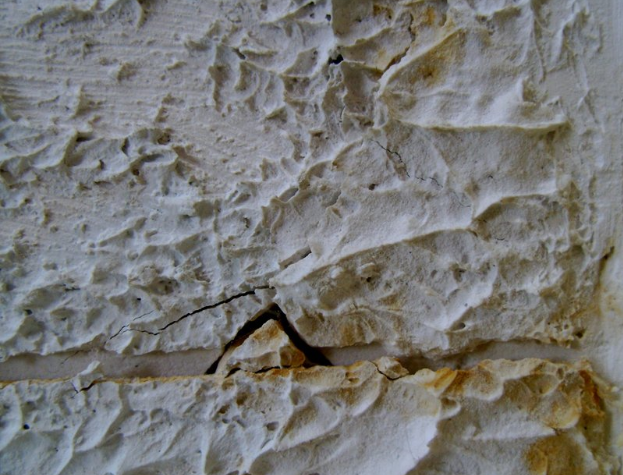
Walk around the basement with a flashlight and inspect the joint where walls meet the floor, corners, window frames, vents, and locations where pipes or cables pass through masonry. Look for daylight, loose mortar, torn screens, and gaps wide enough for insects. Spiders can use very narrow openings, especially when those openings lead to areas with prey.
Use an appropriate caulk or masonry sealant for small, stable gaps. Install tight-fitting screens over vents and windows, add weatherstripping around basement doors, and repair damaged window wells. Do not seal over active water intrusion without identifying its source, since trapped moisture can damage materials and encourage mold growth.
Exterior lighting can also draw insects toward basement windows and doors. Use motion-activated fixtures, keep lights away from entry points when possible, and choose bulbs that are less attractive to flying insects. Fewer insects near the foundation generally means fewer hunting opportunities for spiders.
| Basement condition | What it can indicate | Practical response |
|---|---|---|
| Fine webs in corners | Regular spider activity or nearby insects | Vacuum webs and inspect adjacent cracks |
| Egg sacs or many juvenile spiders | Reproduction is occurring indoors | Remove sacs carefully and investigate moisture and prey |
| Musty odor and condensation | Excess humidity | Use a dehumidifier and find the moisture source |
| Spiders near windows | Entry gaps or insect attraction | Repair screens, seal frames, and adjust lighting |
| Spiders around stored boxes | Cluttered, undisturbed shelter | Raise items off the floor and improve access for cleaning |
| Sudden increase after rain | Outdoor migration or water-related insects | Check drainage, doors, window wells, and foundation gaps |
Remove Webs, Egg Sacs, And Clutter
Vacuum webs, spiders, and egg sacs with a hose attachment, then empty the vacuum outdoors if possible. Pay close attention to ceiling corners, behind shelving, around windows, under stairs, and along the rim joists. Removing webs regularly makes the area less suitable and gives you a way to monitor whether activity is declining.
Avoid crushing or brushing egg sacs into nearby cracks, where hatchlings may remain hidden. Wear gloves, long sleeves, and closed shoes while cleaning storage areas. If you are uncertain about the species or find a spider that may be medically significant in your region, avoid handling it directly and use a container or contact a pest professional.
Store belongings in sealed plastic containers rather than cardboard boxes, particularly if the basement is damp. Keep boxes at least a few inches off the floor and leave space between stored items and exterior walls. A clear perimeter makes it easier to spot new webs, leaks, insect activity, and foundation damage.
Reduce The Insects Spiders Hunt
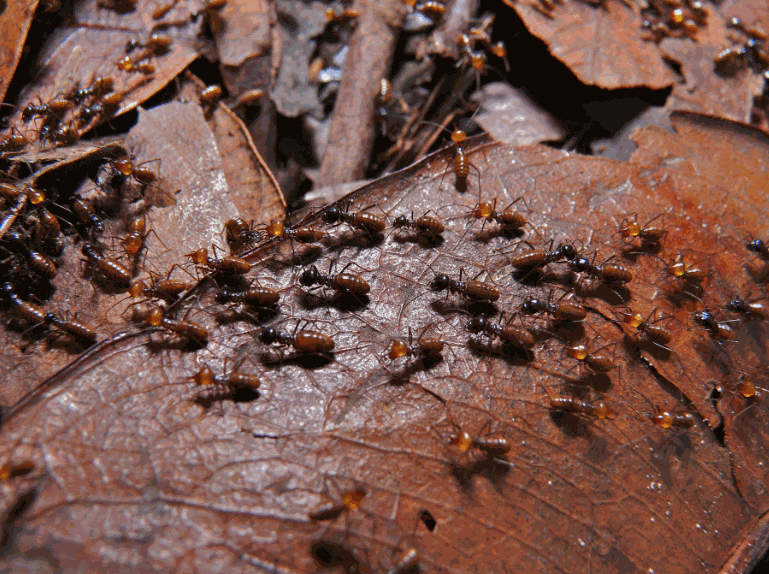
Spider prevention is closely connected to general pest control. Keep food, pet food, and waste in tightly closed containers, clean crumbs promptly, and repair torn screens. Address ant trails, drain flies, fungus gnats, and other insects at their source instead of simply spraying visible spiders.
Outdoor debris can also increase pest pressure around the home. Move firewood, leaf piles, dense vegetation, and unused materials away from the foundation. Trim plants so they do not touch basement windows or siding, and remove damp organic matter where insects can breed.
Chemical treatments are not always necessary and should never replace moisture control or exclusion. If you use a pesticide, follow the label exactly, keep children and pets away as directed, and never apply outdoor products indoors. Repeated activity after cleaning and sealing may justify an inspection by a licensed pest-control provider.
Build A Simple Basement Inspection Routine
A monthly inspection can prevent a minor issue from becoming a recurring infestation. Check the basement after heavy rain, during humid weather, and whenever you notice new odors or insects. Use a flashlight to examine corners, window wells, pipe penetrations, and areas behind appliances.
Keep a simple record of where spiders appear and what conditions were present. Activity concentrated near one window suggests an entry issue, while sightings throughout a damp basement point toward moisture and insect problems. Tracking patterns helps you choose targeted repairs instead of applying treatments throughout the entire space.
Recommended Basement Prevention Steps
- Run a dehumidifier when humidity remains above the recommended range.
- Vacuum webs and egg sacs during routine basement cleaning.
- Seal cracks, utility openings, window gaps, and door edges.
- Store belongings in sealed containers raised off the floor.
- Inspect for insects, plumbing leaks, drainage problems, and water intrusion.
Know When To Seek Professional Help
A few occasional spiders do not necessarily mean the basement has a serious infestation. Persistent webs, large numbers of spiders, repeated egg sacs, or activity in several rooms indicate that an underlying condition has not been corrected. Professional help is especially sensible when you cannot identify the source or when cleaning and sealing produce no improvement.
Call for assistance promptly if the basement has extensive water damage, unsafe electrical conditions, structural cracks, sewage contamination, or a suspected dangerous spider. Do not enter a flooded area to inspect pests, and do not disturb hidden spaces if you suspect a nest or a significant insect infestation.
A clean, dry, well-sealed basement is much less appealing to spiders. Start with the safest visible steps, correct moisture and drainage problems, and inspect the space regularly. Put these measures into practice during your next basement check so small entry points and damp areas do not develop into a larger pest problem.