
How to prevent mold growth in your bathroom
Bathrooms naturally produce warm, humid air, making them one of the most likely rooms in a home to develop mildew and mold. Steam from showers, wet towels, dripping fixtures, and poor airflow can leave moisture on walls, ceilings, grout, and cabinets long after the room appears dry.
Mold prevention is largely a matter of controlling humidity before it settles into porous materials. A reliable exhaust fan, regular cleaning, quick leak repairs, and better drying habits can greatly reduce the conditions mold needs to spread.
Small warning signs deserve attention. A musty odor, dark grout lines, peeling paint, soft drywall, or recurring condensation may indicate that moisture is collecting behind surfaces rather than simply appearing on them.
Why bathrooms invite mold
Mold spores are present in ordinary indoor and outdoor air. They become a problem when they land on a damp surface and remain there long enough to grow. Bathrooms provide frequent moisture, warmth, and many materials that can hold water, including grout, caulk, towels, bath mats, wood cabinets, and drywall.
Humidity is especially troublesome when the room has limited air circulation. A closed bathroom door, an undersized exhaust fan, or a fan that vents into an attic can allow moist air to linger. Condensation on mirrors and windows is an obvious sign, but moisture may also collect behind cabinets, under flooring, or inside wall cavities.
Keeping the bathroom consistently dry is more effective than treating visible spots repeatedly. If mold returns soon after cleaning, the underlying humidity, leak, or ventilation issue has probably not been corrected.
Control moisture at the source
Run the exhaust fan during every shower and leave it operating for about 20 to 30 minutes afterward. The fan should discharge outdoors through a properly installed duct, not into an attic, crawl space, or wall cavity. If the fan is loud but moves little air, hold a tissue near the grille; weak suction may indicate a clogged grille, damaged duct, or failing motor.
Opening a window can help when weather and security allow, but it should supplement an exhaust fan rather than replace it. During colder months, a window may cool surfaces and create additional condensation. Keep the bathroom door slightly open after bathing if doing so will not trap moisture elsewhere in the home.
Repair dripping faucets, loose toilet connections, cracked shower pans, and leaking supply lines promptly. Even a small, continuous leak can keep wood or flooring damp enough to support hidden mold. Use a bathroom humidity monitor if the room repeatedly feels damp; indoor relative humidity should generally remain below 60 percent, with a lower range preferred for mold prevention.
Choose ventilation that matches the room
A bathroom fan should be sized for the room and used consistently. A fan that is too weak will not remove steam efficiently, while a poorly sealed duct can release moisture into the structure. Clean the fan grille periodically and check that the exterior vent flap opens when the fan runs.
Whole-home airflow also matters. If rooms feel stale or dusty, air duct cleaning may support better indoor air quality, although duct cleaning does not replace bathroom ventilation or fix a moisture source. The goal is to move humid air outdoors while avoiding pressure problems that draw damp air into walls and ceilings.
| Ventilation approach | Best use | Main benefit | Important limitation |
|---|---|---|---|
| Exhaust fan | Routine shower moisture | Removes humid air directly | Must vent outdoors and be used long enough |
| Open window | Occasional additional airflow | Simple and inexpensive | Weather, privacy, and outdoor humidity can limit it |
| Dehumidifier | Persistently damp rooms | Lowers overall indoor humidity | Does not remove moisture at its source |
| Portable circulating fan | Drying surfaces and fabrics | Speeds evaporation | Moves air but does not exhaust it outdoors |
Keep surfaces, fabrics, and grout dry
Use a squeegee on shower walls and glass after bathing. Removing a thin film of water can shorten drying time and reduce the moisture available to mold. Wipe puddles from the floor, around the toilet base, and beneath bath products instead of allowing them to evaporate slowly.
Hang towels fully open so they can dry between uses. Wash bath mats regularly and avoid placing damp laundry in a bathroom hamper. Shower curtains should be spread out after use, and fabric liners should be washed or replaced when they develop persistent odor or discoloration.
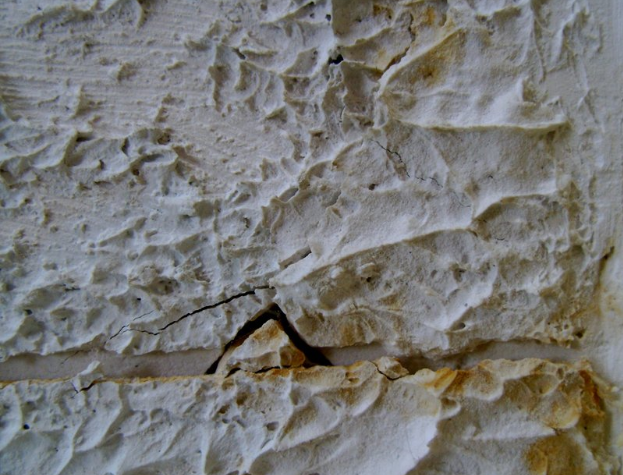
Inspect caulk and grout several times a year. Cracked caulk around a tub or shower allows water to reach framing and subflooring. Discolored grout may be surface staining, but soft joints, crumbling material, or stains that return quickly can signal moisture behind the finish. Replace failed caulk with a bathroom-rated product only after the area has been cleaned and dried thoroughly.
Find hidden moisture before it spreads
Look inside vanity cabinets for swollen particleboard, water marks, or damp corners. Check around the toilet, bathtub, shower valve, and sink drain. A musty smell that becomes stronger inside a cabinet or near a wall may point to a concealed leak.
Pay attention to changes in flooring. Buckled vinyl, loose tiles, darkened wood, or a soft spot near the tub should not be covered with new caulk or flooring before the source is investigated. Water can travel beyond the visible stain, so the first damp area is not always where the leak begins.
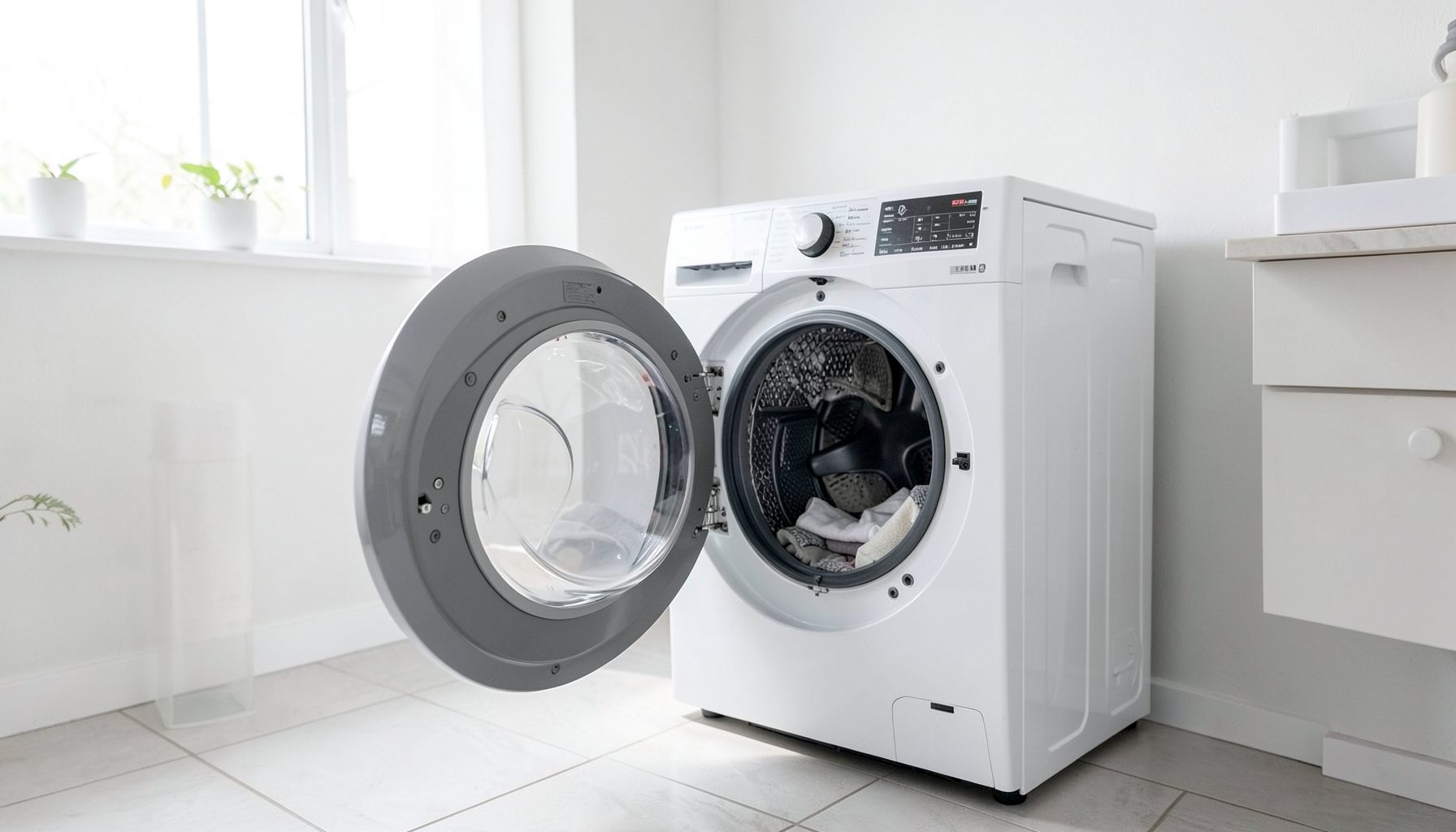
Moisture from other parts of the home can also affect the bathroom. A laundry area with poor dryer ventilation may add warm, damp air indoors; understanding why a dryer takes two cycles can help identify airflow problems that contribute to excess household humidity. Keep laundry appliances properly vented and avoid allowing humid air to migrate into nearby rooms.
Clean small spots safely
For a small amount of surface mildew on nonporous material, wear gloves and eye protection, improve ventilation, and clean according to the surface manufacturer’s instructions. Never mix bleach with ammonia, vinegar, or other cleaning products. After cleaning, dry the area completely and correct the moisture problem that caused the growth.
Porous materials such as drywall, ceiling tile, carpet, and heavily damaged wood may not be fully cleanable once mold has penetrated them. Scrubbing the surface can spread spores without removing the affected material. Do not paint or caulk over active mold, since the coating can conceal continued growth and trap moisture.
Larger areas, recurring mold, extensive water damage, or suspected growth inside walls warrant help from a qualified mold remediation or building professional. Anyone with asthma, severe allergies, or a weakened immune system should avoid disturbing substantial mold growth and should consider having another person handle inspection and cleanup.
Build a bathroom moisture routine
Prevention works best when it becomes part of ordinary housekeeping rather than an occasional deep-cleaning project. A few minutes after each shower can keep walls, fabrics, and fixtures dry enough to discourage mold.
Use this simple routine:
- Run the exhaust fan during a shower and for 20 to 30 minutes afterward.
- Squeegee wet walls and spread out the curtain or door.
- Hang towels and bath mats where air can reach them.
- Wipe up puddles around the toilet, tub, and vanity.
- Inspect caulk, grout, cabinets, and plumbing connections every few months.
If condensation remains heavy or odors return, measure humidity and inspect the fan, duct, plumbing, and nearby walls. Track when the problem appears, since mold that develops after showers, heavy rain, or plumbing use can provide clues about its source.
Make these checks part of your regular home maintenance schedule, and address damp materials as soon as they appear. Consistent airflow and fast leak repair are the most dependable ways to keep a cleaner, healthier bathroom free of recurring mold.