
How to Keep Mice From Slipping Into Your Home
Mice can enter through openings that seem far too small to matter. An adult mouse may squeeze through a gap roughly the width of a pencil, especially where foundations, siding, pipes, vents, doors, and utility lines meet. Once inside, it can build a nest, contaminate food, damage insulation, and leave droppings along walls and inside cabinets.
The most reliable approach combines inspection, exclusion, sanitation, and regular maintenance. Repellent products may provide temporary relief, but sealing entry points and removing easy sources of food and shelter are the measures that make a lasting difference.
A mouse-proof home is created gradually. Walk around the property, identify vulnerable areas, and repair small defects before cold weather or heavy rain drives rodents indoors. Routine checks also fit naturally into broader home maintenance resources for keeping a property dry, clean, and structurally sound.
Why Small Gaps Attract Mice
Mice are drawn to homes because buildings offer warmth, water, food, and protection from predators. During autumn and winter, even a narrow crack near a foundation can lead to a comfortable nesting location. Garages, crawl spaces, attics, and wall cavities are particularly appealing because they receive little daily activity.
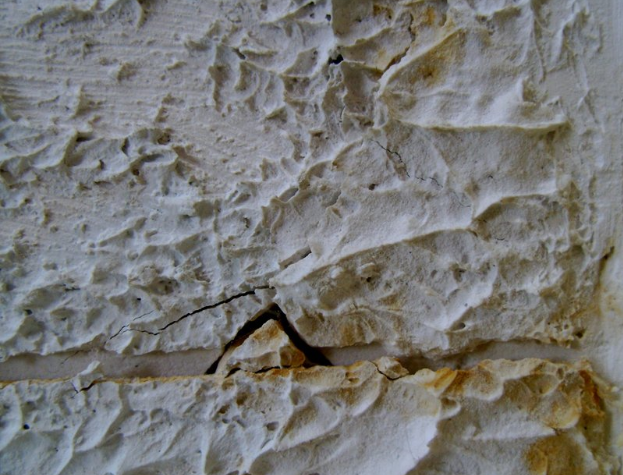
Entry points often develop where two materials meet. Concrete may shrink away from siding, mortar can crack around brickwork, and expanding pipes can leave loose openings in walls. A gap may be hidden behind a downspout, under a deck, or beneath stored items, making it easy to overlook during a casual inspection.
Look for additional signs once mice have entered. Greasy rub marks along baseboards, shredded paper or insulation, gnawing, a musky odor, and small dark droppings can indicate activity. Finding one mouse does not always mean there is only one, so inspect nearby rooms and exterior walls rather than addressing a single visible opening.
Inspect The Exterior First
Begin at ground level and work upward. Examine the joint between the foundation and siding, corners, vents, crawl-space access doors, garage thresholds, and areas where cables or plumbing pass through walls. Use a flashlight in dim locations and check both sides of doors and windows.
Pay special attention to damaged screens and vents. Dryer vents, bathroom exhaust outlets, and attic vents should have sturdy, properly fitted covers that allow airflow while blocking rodents. Avoid using lightweight plastic mesh where mice can chew through it. Hardware cloth with small openings is usually more durable for protected exterior areas.
Rooflines and upper walls also deserve attention. Mice can climb vines, rough siding, stacked firewood, and nearby branches to reach attic vents or roof gaps. Trim vegetation away from the structure, keep firewood elevated and several feet from exterior walls, and remove piles of leaves or construction debris that create sheltered routes.
Seal Cracks With Durable Materials
Small cracks can be filled with caulk, but the material must suit the location. Exterior-grade polyurethane or silicone caulk works well around stationary joints, while expanding foam can fill deep voids around pipes and cables. Foam alone is easy for rodents to chew, so cover larger repairs with metal flashing, hardware cloth, or another chew-resistant barrier.
For foundation openings and masonry cracks, use patching cement or an appropriate mortar repair product. Around utility penetrations, first make sure the seal will not interfere with heat, movement, or drainage. Never block designed ventilation openings, weep holes, or components that require access for safety and maintenance.
Door sweeps and weatherstripping are simple but important. A door should close firmly against its frame, with no visible light beneath or along the sides. Replace warped thresholds and repair damaged garage-door seals. These improvements also reduce drafts, moisture intrusion, and insect access.
Compare Common Gap-Blocking Materials
The best repair depends on the size, movement, moisture exposure, and location of the opening. Combining a flexible sealant with a metal barrier is often more effective than relying on a single soft product.
| Entry point or defect | Suitable repair | Important consideration |
|---|---|---|
| Small crack around a frame | Exterior-grade caulk | Choose a product rated for outdoor movement |
| Deep opening around a pipe | Backer rod and sealant, or foam covered with metal | Keep insulation and sealant away from hot surfaces |
| Gap beneath a door | Door sweep and threshold adjustment | Check that the door still closes securely |
| Broken vent screen | Small-opening hardware cloth or replacement cover | Preserve required airflow |
| Foundation or masonry crack | Mortar repair or patching cement | Investigate large or widening cracks |
| Garage-door side or bottom gap | Replacement weather seal | Keep the seal aligned across the full opening |
Inspect repaired areas after several weeks and after severe weather. A seal that pulls loose, cracks, or becomes damp may need a different product or a more substantial repair. If a gap appears to be connected to structural movement, address the underlying issue instead of repeatedly filling the same opening.
Remove Food, Water, And Shelter
Exclusion works best when the home is less rewarding to explore. Store grains, pet food, birdseed, and snacks in rigid containers with tight-fitting lids. Do not leave pet bowls out overnight, and clean crumbs from beneath appliances, furniture, and cabinets.
Outdoor habits also affect indoor rodent pressure. Use sealed trash containers, clean spilled seed beneath bird feeders, and harvest fallen fruit promptly. Repair dripping faucets and outdoor plumbing, since mice need surprisingly little water. Clear clutter from garages, basements, and storage rooms so signs of activity are easier to spot.
Keep insulation, fabric, cardboard, and paper goods off damp floors and away from walls. Cardboard boxes are especially useful nesting material, while undisturbed storage areas offer cover. Plastic bins with secure lids make it harder for mice to build nests and protect belongings from contamination.
Maintain A Regular Mouse Prevention Routine
A seasonal inspection is more effective than waiting for scratching sounds. In late summer or early fall, check exterior seals, screens, door sweeps, and crawl-space access points. Repeat the inspection after storms, foundation work, landscaping changes, or siding repairs.
Inside, monitor quiet areas with snap traps or non-toxic tracking methods if there are signs of activity. Place traps along walls and behind appliances, where mice naturally travel, and keep them inaccessible to children and pets. Avoid handling droppings dry; ventilate the area, wear gloves, and use a disinfectant to wet contaminated material before removal.
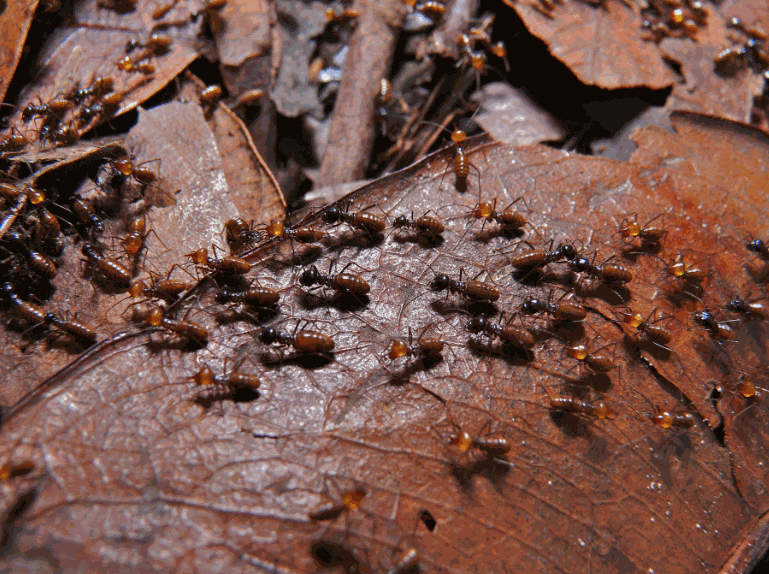
Homeowners should also distinguish mouse evidence from other pest problems. For example, mud tubes, discarded wings, or a sudden cluster of flying insects may point toward termites rather than rodents. The site’s termite swarm guidance can help homeowners recognize that separate warning sign and respond appropriately.
Practical Steps For Blocking Entry
Use the following checklist when inspecting and securing the property:
- Walk the entire foundation line and mark every crack, hole, and loose joint.
- Install or repair door sweeps, window screens, crawl-space covers, and vent guards.
- Seal utility openings with durable materials, adding metal mesh where rodents could chew.
- Store food, pet supplies, birdseed, and waste in tightly closed containers.
- Trim branches and vines, move firewood away from walls, and reduce outdoor clutter.
- Recheck repaired areas seasonally and after storms or exterior renovation.
Do not depend on ultrasonic devices, strong scents, or mothballs as the primary defense. These methods are inconsistent, and some products can create health hazards when used indoors or around pets. Physical exclusion remains the clearest way to prevent mice from entering through small gaps.
When To Bring In Professional Help
Persistent scratching, repeated droppings, strong odors, or visible nesting material may indicate an established infestation inside walls, ceilings, or insulation. In that situation, sealing exterior openings without addressing the mice already indoors can trap animals inside or leave hidden contamination behind.
A qualified pest professional can locate concealed access routes, assess the extent of activity, and recommend safe removal and sanitation procedures. Structural problems such as a damaged foundation, failing roof edge, or recurring moisture issue may also require a contractor’s evaluation.
Keep written notes and photographs of repairs, especially if the same opening reappears. Reliable practical homeowner advice can support a broader maintenance record that includes pest observations, weather events, plumbing leaks, and improvements made around the property.
Start with the most likely entry points today: the garage threshold, foundation line, utility penetrations, and vent covers. Seal what you find, remove accessible food and nesting material, and schedule another inspection before the next change in season. A few careful repairs now can prevent property damage, unsanitary conditions, and recurring mouse problems later.