

How to Prevent Electrical Overloads in Your Home
Electrical overloads occur when a circuit carries more current than its wiring, outlets, or breaker can safely handle. The problem is common in homes with older electrical systems, busy kitchens, home offices, space heaters, or several high-wattage appliances operating at the same time.
A tripped breaker is often the first warning, but an overloaded circuit can also cause warm outlets, flickering lights, buzzing sounds, or a faint burning odor. Learning how circuits work and changing a few daily habits can reduce fire risks and protect expensive equipment.
Why Household Circuits Become Overloaded
Every circuit is designed to carry a limited amount of electrical current. The circuit breaker monitors that flow and shuts off power when demand becomes unsafe. This protective action helps prevent wires from overheating behind walls, where damage may go unnoticed.
Overloads often happen when several appliances share one circuit. A microwave, toaster oven, coffee maker, and refrigerator may all draw substantial power in the same kitchen area. Portable heaters, hair dryers, irons, and air conditioners also create heavy electrical demand, especially when used together.
Older homes may have fewer circuits than modern households need. Adding multiple power strips or extension cords can make the system appear to have more capacity, but these devices do not increase the amount of electricity the circuit can safely carry.
Warning Signs That Deserve Attention
A breaker that trips once may respond to a temporary surge, but repeated trips should not be ignored. Resetting the breaker again and again without identifying the cause can allow a developing wiring problem to continue. Keep track of which appliances were operating when the interruption occurred.
Watch for outlets or switch plates that feel warm, look discolored, or make crackling and buzzing sounds. Loose plugs, scorch marks, melted plastic, and an odor resembling hot insulation indicate a more serious issue. Stop using the affected outlet and arrange for a qualified electrician to inspect it.
Flickering lights can also signal an overloaded circuit, a loose connection, or another electrical fault. If lights dim whenever a large appliance starts, move smaller devices to another circuit if possible. Persistent flickering requires professional attention rather than a larger fuse or breaker.
Match Appliances to Circuit Capacity
High-wattage appliances should have enough circuit capacity and, in many cases, a dedicated circuit. Electric ranges, clothes dryers, water heaters, central air-conditioning systems, and some workshop tools commonly require dedicated wiring. Check the appliance manual and the electrical panel labels before connecting a new device.
Portable heaters deserve special care because they draw considerable power for long periods. Plug one directly into a wall outlet, keep it away from curtains and furniture, and avoid using an extension cord. Do not operate a heater from the same outlet or circuit as another high-demand appliance.
The following comparison provides a general guide to common household loads. Actual requirements vary by model, voltage, and local electrical codes, so the label on the appliance remains the best reference.
| Appliance or Device | Typical Demand | Safer Use |
|---|---|---|
| Phone charger | Low | Use a quality charger and avoid damaged cords |
| Television | Low to moderate | A properly rated surge protector may be suitable |
| Microwave oven | High | Avoid running with other kitchen heating appliances |
| Toaster oven | High | Plug directly into a wall outlet |
| Portable space heater | High | Use alone on a wall outlet |
| Hair dryer | High | Avoid sharing the circuit with bathroom heaters |
| Refrigerator | Moderate startup surge | Keep its circuit free from heavy temporary loads |
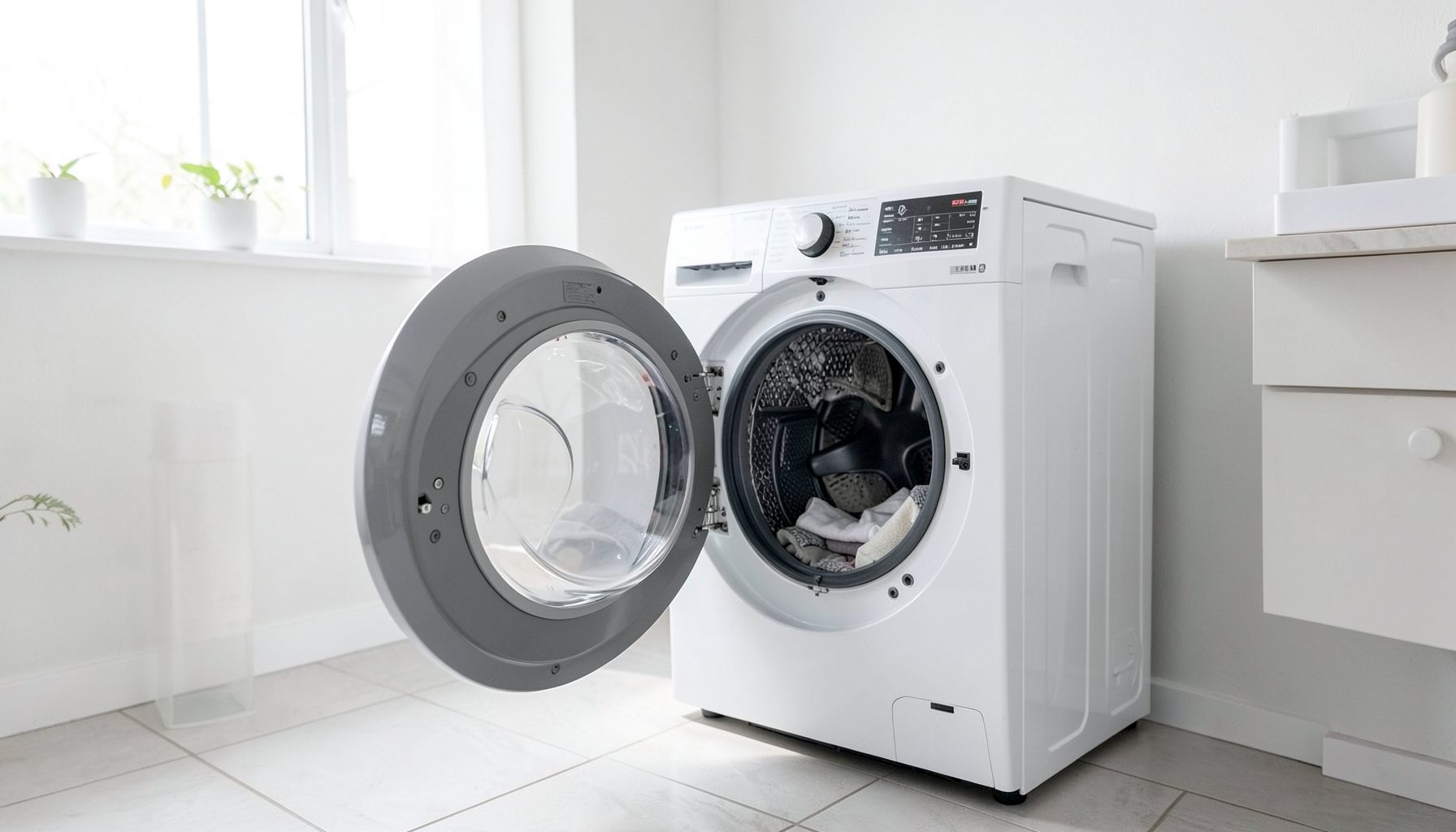
| Washer or dryer | High | Follow manufacturer requirements for dedicated wiring |
Use Extension Cords And Power Strips Wisely
Power strips provide additional outlets, but they do not provide additional circuit capacity. Connecting one power strip to another, known as daisy-chaining, increases the chance of overheating and creates a confusing path for electrical demand. Use a strip with an appropriate rating and plug it directly into a wall outlet.
Extension cords are intended for temporary use, not permanent household wiring. Do not run them beneath rugs, through doorways, or along areas where they can be pinched. Select a cord rated for the appliance’s wattage, and replace cords with cuts, exposed wires, loose plugs, or melted insulation.
Surge protectors can help protect computers, televisions, and other sensitive electronics from voltage spikes, but they do not prevent circuit overloads. A strip with a reset switch or overload protection is useful, though it still must be connected to a circuit with available capacity.
Reduce Risk During Seasonal Demand
Electrical demand often rises during winter holidays, summer heat, and storm-related outages. Decorative lighting, cooking appliances, air conditioners, fans, and portable heaters can quickly consume the available capacity on several circuits. Spread these loads around the home instead of connecting everything in one room.
Use outdoor-rated cords and decorations outside, and keep electrical connections dry. Inspect seasonal lights before installing them, looking for cracked sockets, frayed wires, or missing bulbs. Replace damaged sets rather than taping over defects.
Homeowners who are organizing broader upkeep can find practical home maintenance guidance alongside electrical safety reminders. Small tasks such as checking cords, clearing ventilation areas, and labeling the electrical panel make it easier to spot problems before they become urgent.
Build A Simple Prevention Checklist
A consistent inspection routine is more useful than waiting for a breaker to trip. Walk through the home every few months and examine frequently used outlets, appliance cords, power strips, and the electrical panel. Keep the area around the panel clear so breakers can be reached quickly during an emergency.
Use these habits to lower the risk of excessive electrical demand:
- Plug high-wattage appliances directly into wall outlets whenever possible.
- Keep heaters, kitchen appliances, and other heavy loads separated across different circuits.
- Replace damaged cords, loose plugs, and discolored power strips promptly.
- Label the breaker panel so each circuit’s outlets and appliances are easy to identify.
- Unplug temporary devices when they are no longer needed, especially heaters and seasonal decorations.
Do not remove a breaker, replace it with one of a higher rating, or install a fuse that exceeds the circuit’s design. A larger protective device can allow wiring to overheat before the power shuts off. Electrical panel modifications should be handled by a licensed professional familiar with local requirements.
Improve Safety Around Windows And Outlets
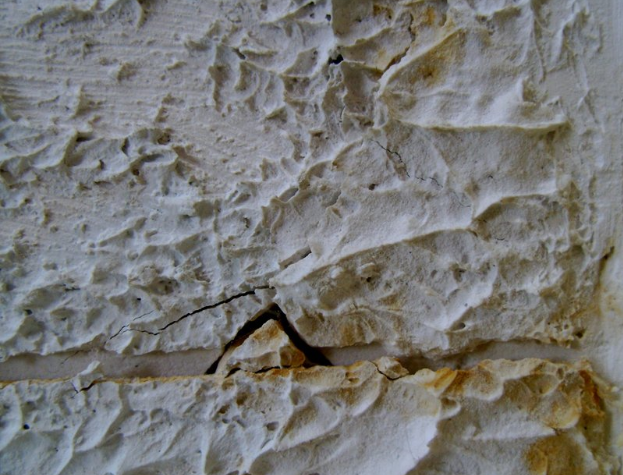
Outlets near windows, sinks, garages, and exterior walls may be exposed to moisture or drafts. Water intrusion can damage electrical components, while cold air may affect poorly sealed areas and contribute to condensation. Inspect nearby walls and trim for stains, dampness, or deteriorating caulk.
When maintaining exterior openings, follow guidance on sealing window gaps to reduce drafts and limit moisture entry. Never cover an outlet with caulk or insulation, and leave electrical boxes accessible for inspection and repair.
Ground-fault circuit interrupter outlets are important in damp locations such as bathrooms, kitchens, laundry areas, garages, and outdoor spaces. Test them according to the manufacturer’s instructions. If a GFCI repeatedly trips, stop using the connected device and investigate the cause rather than repeatedly resetting it.
Know When Professional Help Is Necessary
Some overload causes are easy to correct by separating appliances, replacing a damaged strip, or removing an unnecessary extension cord. More complex symptoms require an electrician, including repeated breaker trips, burning smells, hot outlets, buzzing panels, shocks, and visible wiring damage.
Professional evaluation is also appropriate when adding a major appliance, finishing a basement, installing an electric vehicle charger, or remodeling a kitchen. An electrician can calculate circuit loads, inspect connections, verify grounding, and recommend additional circuits where needed.
A safer home electrical system depends on routine awareness and prompt action. Keep heavy appliances within their intended limits, treat warning signs seriously, and arrange an inspection whenever a problem returns. Review your outlets and appliance connections this week, then correct the simplest hazards before they become costly or dangerous.