A Cleaner, Drier Bedroom With Fewer Dust Mites
Dust mites are microscopic relatives of spiders that live in household dust, especially in mattresses, pillows, doonas, upholstered furniture and carpet. They do not bite, but their waste particles and shed skins can trigger sneezing, a blocked or runny nose, itchy eyes, coughing and asthma symptoms. Bedrooms are a particularly favourable environment because people spend several hours there each night and bedding holds warmth and moisture.
You cannot remove every mite from a home, and a perfectly sterile bedroom is neither realistic nor necessary. The practical aim is to make the room less inviting by lowering humidity, washing fabrics regularly, reducing dust and using barriers around mattresses and pillows. These measures are useful across Australia, from humid coastal Queensland to cooler homes in Melbourne where windows may stay shut through winter.
Reduce Bedroom Humidity
Dust mites multiply more readily when indoor relative humidity is high. Aim to keep the bedroom around 30 to 50 per cent humidity where possible, using a small hygrometer to check conditions rather than relying on how the room feels. In a warm Brisbane or Cairns bedroom, air conditioning or a dehumidifier may be needed for much of the year. In a damp coastal home, avoid drying wet washing indoors, since it can add a surprising amount of moisture to the air.
Ventilation should be balanced with outdoor conditions. Open windows when the air outside is dry, and use exhaust fans during showers and cooking so moisture does not spread through the house. If condensation collects on bedroom windows, wipe it away and look for the cause, such as poor airflow, a cold external wall or excessive indoor humidity. A ceiling fan can improve air movement, although it does not remove moisture by itself.
Heating and cooling habits matter as well. Reverse-cycle air conditioners are common in Australian homes and can help manage both temperature and humidity. A programmable thermostat can prevent rooms becoming excessively warm overnight while keeping energy use under control; this guide explains thermostat energy savings in greater detail. Follow the manufacturer’s cleaning schedule, because a dusty filter can reduce airflow and circulate irritants.
Wash And Protect Bedding
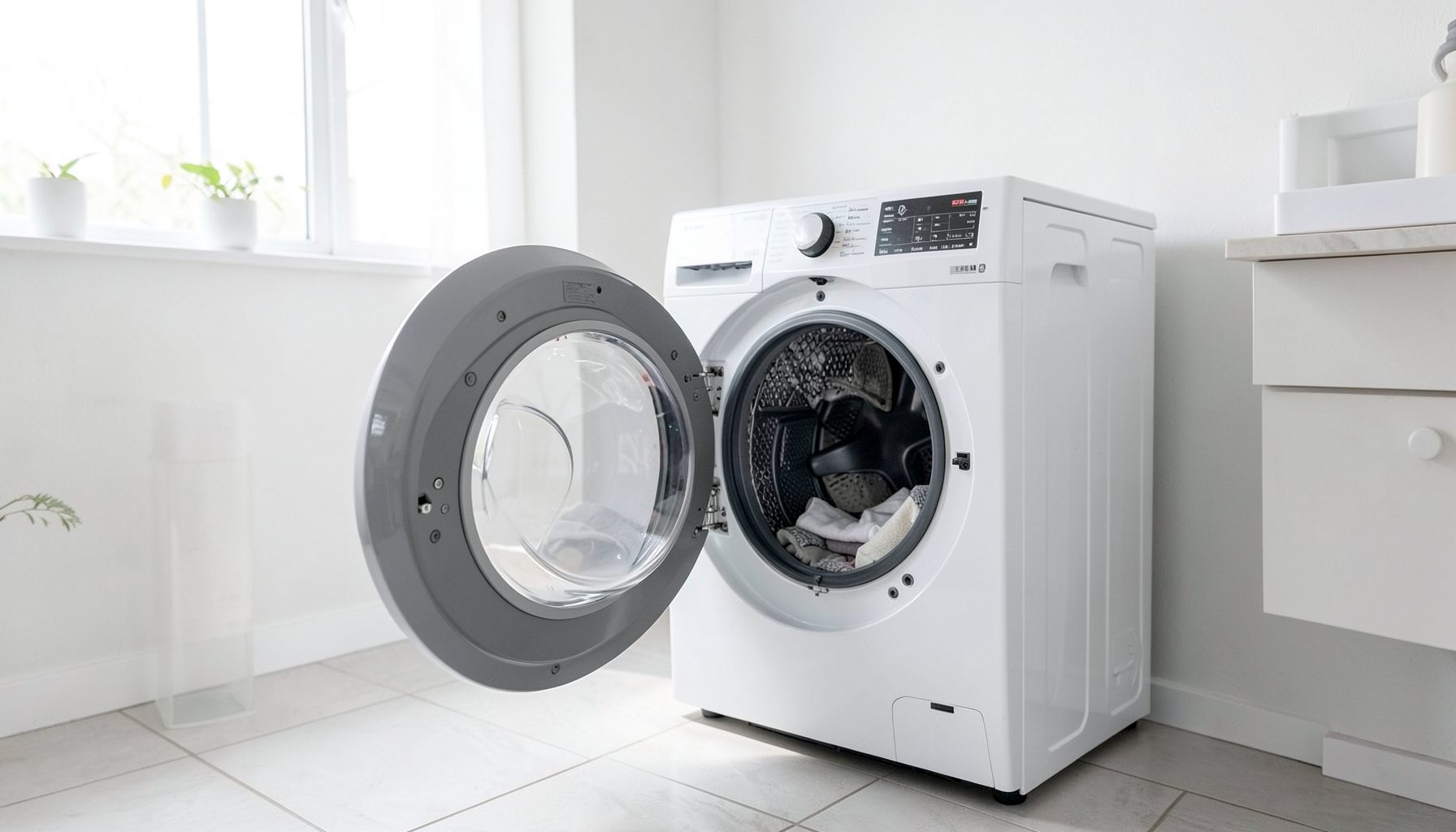
Wash sheets, pillowcases and doona covers at least weekly in hot water, ideally around 55–60°C if the fabric and care label allow it. This temperature helps remove allergens and kill a significant number of mites. If hot washing is unsuitable, use the warmest approved cycle, wash more frequently and dry items completely. A hot tumble dryer can help, but direct sunlight is also useful when conditions are dry and bright.
Pillows, doonas and mattress toppers need their own care schedule. Check labels before washing, and make sure bulky items are dried all the way through; damp filling can develop a musty odour or encourage mould. In Australia, many households use wool doonas, which often require airing and professional cleaning rather than a standard washing-machine cycle. Do not leave bedding crumpled on the bed all day. Pull back the covers for a while each morning so body moisture can evaporate.
Use allergen-proof, zippered encasements on the mattress, pillows and, where practical, the doona. These tightly woven covers trap existing mite particles and stop new mites entering the filling. Wash the encasements with the rest of the bedding and inspect zips and seams for gaps. Replace pillows when they become flattened, stained or difficult to clean, since old filling can hold a large amount of dust and allergen.
Clean Dust Without Spreading It
Vacuum the bedroom floor, carpet edges, skirting boards and space under the bed at least weekly. A vacuum with a sealed system and HEPA filter is preferable because it captures fine particles rather than blowing them back into the room. Move slowly over carpet and use the crevice tool around bed frames. If someone in the household reacts strongly to dust, have another person vacuum, or wear a well-fitting mask and leave the room for a short period afterwards.
Hard floors are generally easier to keep low in allergens than thick carpet. Damp-mop timber, vinyl or tile rather than sweeping with a dry broom, which can send settled particles into the air. Dust shelves, blinds and bedside tables with a slightly damp microfibre cloth. Wash curtains according to their care instructions, and consider washable blinds or simpler window coverings if heavy fabric repeatedly holds dust.
Reduce places where dust gathers. Store books, soft toys and spare blankets in closed containers, and keep the area beneath the bed accessible for cleaning. Wash soft toys regularly or place washable ones in a sealed bag in the freezer overnight before laundering, following the toy maker’s instructions. Avoid unnecessary fabric clutter, but do not assume every plush item must be discarded.
Check For Damp And Mould
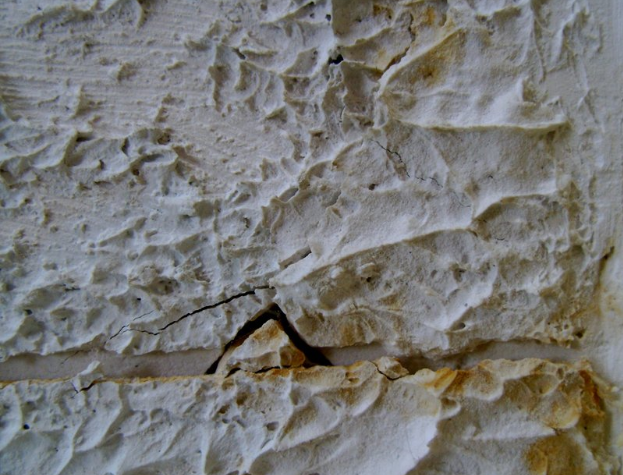
A persistent musty smell, bubbling paint, swollen skirting boards or dark spotting around a window may indicate dampness rather than a simple dust problem. Leaking roofs, plumbing faults, blocked gutters and poor bathroom ventilation can all increase indoor moisture. If a bedroom wall feels damp, investigate the source instead of repeatedly wiping the surface. Guidance on how to identify bathroom mould can help distinguish ordinary surface growth from a moisture issue that needs prompt attention.
Keep beds and large furniture a few centimetres away from cold external walls where possible. This allows air to circulate and makes it easier to see condensation or early mould growth. Do not place a mattress directly on the floor, where ventilation is poor and moisture can collect underneath. Check the underside of the mattress and the bed base every few months, especially after a wet winter or a period when the room has been closed up.
Outdoor maintenance can support indoor moisture control. Overflowing or damaged gutters may allow water to run down walls and contribute to damp areas; advice on protecting metal gutters covers a related prevention step. In older Australian houses, particularly those exposed to heavy rain or salt air near the coast, small exterior water problems can eventually show up as indoor stains or odours.
Manage Symptoms And Know When To Get Help
Regular cleaning can reduce dust mite allergens, but symptoms may continue if the bedroom contains other triggers such as pet dander, pollen, mould or smoke. Keep pets off the bed if they worsen symptoms, change clothes after gardening, and avoid smoking indoors. Wash hands before bed if you have been outside, since pollen can transfer to pillowcases and sheets.
A pharmacist or GP can advise on suitable antihistamines, saline rinses or nasal sprays, especially for children, pregnancy, asthma or other medical conditions. Seek medical advice if wheezing, chest tightness, persistent coughing or disturbed sleep is becoming common. Allergy testing may help identify whether dust mites are the main trigger before you spend money replacing flooring or furniture.
When choosing products, be cautious about claims that a spray or gadget will eliminate mites permanently. Encasements, hot washing, humidity control and thorough cleaning have more dependable benefits than heavily fragranced products. If you hire a cleaner, ask whether their equipment uses sealed HEPA filtration and whether upholstery or mattresses will be left fully dry.
The most effective routine is simple: keep humidity moderate, air the bed each morning, wash bedding regularly, encase mattresses and pillows, and remove dust with damp cleaning or a HEPA-filtered vacuum. In a humid Australian summer or a closed-up winter bedroom, those habits make the room less suitable for mites and reduce the allergens that cause trouble. The key thing to remember is that consistent moisture and dust control works better than trying to make the bedroom completely mite-free.