How to Prevent Carpenter Ants From Damaging Your Deck
A deck can look sound from above while carpenter ants hollow out damp or softened wood below the surface. These large ants do not eat timber like termites; they excavate smooth galleries for nesting. A small colony near a ledger board, railing post, or stair stringer can gradually weaken important connections.
The most effective protection combines moisture control, routine inspections, sound construction, and prompt treatment. Prevention is easier when the deck is checked during seasonal cleaning rather than only after sawdust or winged ants appear indoors.
Carpenter ant control also depends on finding the conditions that attracted them. Overhanging branches, leaking gutters, mulch against posts, and decaying boards can create a convenient route from the soil or nearby trees to the deck.
Recognize Carpenter Ant Activity Early
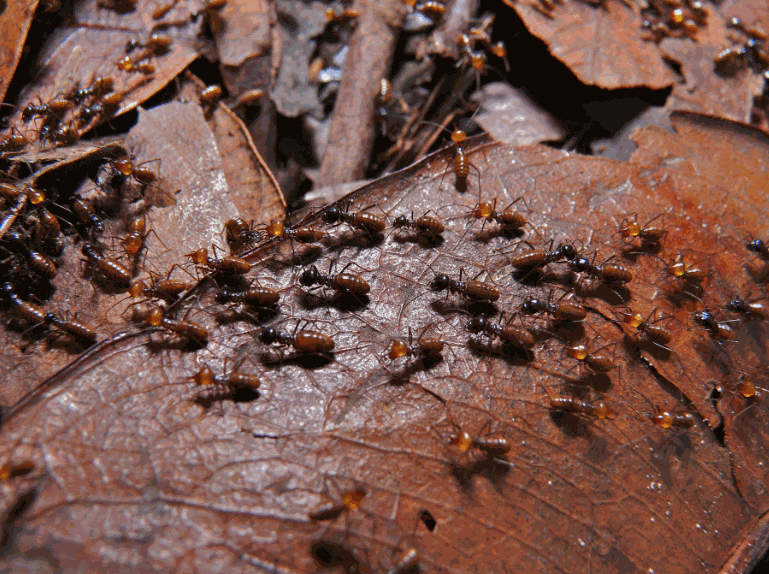
Carpenter ants are often black, but some species have reddish or brown sections on the thorax. Workers may be especially active at night, so a quiet daytime inspection does not always mean the deck is free of them. Use a flashlight after sunset to examine beams, joists, stairs, and the underside of the deck.
Fine sawdust-like material, called frass, is one of the clearest clues. It may collect beneath a hole, in a corner, or on the ground near a support. Small openings, rustling inside wood, and smooth channels exposed in split timber are also warning signs. Winged ants emerging in spring can indicate a mature colony nearby.
Pay close attention to areas where wood meets another material. Carpenter ants commonly use gaps around fasteners, flashing, house siding, concrete footings, and ledger boards. A hollow sound when lightly tapping a board does not prove infestation, but it justifies closer inspection and moisture testing.
Keep Deck Wood Dry
Moisture is the main factor that makes deck lumber attractive to carpenter ants. Repair leaking downspouts and gutters so water does not splash against posts or pool beneath stairs. Make sure the ground slopes away from the structure, and remove leaves that trap water between decking boards.
Maintain airflow beneath the deck by keeping vegetation, stored materials, and dense ground cover away from the framing. Avoid piling firewood, cardboard, or unused planters against the house or deck. These items can retain moisture and provide hidden travel routes for ants and other pests.
Inspect the house-side edge of the deck as carefully as the exposed boards. Water entering around a ledger or wall connection can damage structural wood before surface stains become obvious. Homeowners can use these water damage signs as a broader reminder to check for moisture problems around the entire home, not just the deck.
Protect Vulnerable Wood And Connections
Use pressure-treated or naturally durable lumber when replacing decking, joists, posts, and trim. Treated wood still needs proper installation and maintenance; it is not a permanent barrier against decay or insects. Seal exposed cuts with an appropriate end-cut preservative, particularly around stairs, railings, and post tops.
Keep deck boards slightly separated according to the manufacturer’s specifications so rain can drain and air can circulate. Fasteners should be corrosion-resistant and properly seated. Replace warped boards that hold water, and do not cover deteriorated framing with new decking simply to improve its appearance.
Where the deck attaches to the home, use correct flashing and maintain the drainage gap recommended for the construction system. A wet ledger can become both a structural concern and a concealed nesting area. If wood feels soft, crumbles under a screwdriver, or shows extensive galleries, restrict use of the affected section until it has been evaluated.
Compare Prevention And Treatment Options
Different responses suit different levels of activity. A few ants in an outdoor area may call for sanitation and monitoring, while repeated sightings, frass, or damaged framing suggest that the nest and its moisture source need attention. Spraying visible workers alone often gives only temporary relief because the colony may remain inside the wood or nearby tree.
| Approach | Best Use | Advantages | Limitations |
|---|---|---|---|
| Moisture correction | Damp or decaying deck areas | Addresses the condition attracting ants | Does not remove an established colony by itself |
| Routine sealing and repairs | Sound decks with minor vulnerabilities | Reduces water entry and hiding places | Requires recurring inspection and upkeep |
| Bait stations | Ant trails around the deck or home | Workers may carry bait back to the colony | Results can take time; placement matters |
| Targeted insecticide treatment | Confirmed activity in framing or nearby voids | Can provide focused control | Must follow the product label and safety directions |
| Professional inspection | Structural damage, recurring ants, or hidden nests | Helps locate colonies and assess safety | Involves an inspection or treatment cost |
Avoid saturating deck boards with pesticides, especially where children, pets, or bare skin frequently contact the surface. Read the product label for permitted locations, protective equipment, weather restrictions, and reentry instructions. Never combine chemicals or use an indoor product outdoors.
Inspect Trees, Soil, And Surrounding Areas
Carpenter ants may reach a deck from a damaged tree, stump, fence, utility line, or pile of decaying wood. Trim branches that touch the roof or deck, but do not leave fresh logs and large limbs beside the structure. Remove stumps when practical and keep soil, mulch, and leaf litter from covering the lower portions of posts.
Look for ant trails along railings, siding, cables, and tree trunks. A trail leading away from the deck can reveal the colony’s location more effectively than inspecting the visible boards alone. At night, follow activity with a flashlight and mark the areas that deserve a closer look the next day.
Tree pruning should be cautious near power lines and elevated decks. When a large branch, unstable tree, or hard-to-reach nest is involved, use qualified assistance rather than climbing on the deck railing or improvising with ladders. Local public information and contact resources are available through the county offices, which can help homeowners identify appropriate local departments or agencies.
Build A Seasonal Deck Inspection Routine
Check the deck in spring after wet weather, during summer when insect activity increases, and in fall after leaves begin collecting. Walk across each section, examine visible framing, and look beneath stairs and corners. Pay special attention to cracks, exposed end grain, loose flashing, and areas that remain shaded and damp.
Keep a simple maintenance record with the date, locations inspected, photographs, and repairs completed. Comparing pictures over time can reveal spreading stains, sagging boards, or recurring frass that might otherwise be overlooked. Recheck any area where ants were previously seen, even after activity appears to stop.
A sound deck should also be checked for loose fasteners, deteriorated guardrails, and movement at stairs. Pest prevention and structural safety overlap: damaged wood gives ants access, while hidden galleries can reduce strength. For general background on the organization and its homeowner-focused information, see the site’s about the website page.
Make Prevention Part Of Regular Maintenance
Use this short routine whenever the deck is cleaned or prepared for a new season:
- Clear leaves, mulch, stored items, and vegetation from around the deck and its supports.
- Check gutters, downspouts, flashing, and grading for sources of repeated moisture.
- Inspect joists, posts, stairs, railings, and the ledger for frass, holes, softness, or decay.
- Trim branches and remove nearby dead wood that could connect ants to the structure.
- Record unusual activity and arrange an inspection when damage appears structural or keeps returning.
Carpenter ants are easiest to control before a colony reaches concealed framing. Correct damp conditions promptly, replace deteriorated lumber, and monitor repaired areas for renewed activity. If you find hollow beams, significant galleries, sagging, or ants emerging from structural connections, keep people off the affected section and obtain a qualified pest or building assessment. Start the next deck inspection with the wettest and least visible areas, where early prevention can protect both the wood and the people who use it.