

How to Prevent Basement Flooding During Storms
Heavy rain can turn a minor drainage problem into a flooded basement within minutes. Water may enter through foundation cracks, window wells, floor drains, sump pits, or poorly sealed utility openings. Preparing before severe weather gives you more control than trying to remove water after it reaches finished floors and stored belongings.
Basement flood prevention begins outside the house. Gutters, downspouts, grading, foundation walls, and nearby drainage routes all influence where stormwater flows. Inside, a working sump pump, protected electrical equipment, and organized storage can reduce damage if water still gets through.
A practical inspection does not require specialized equipment in every case. Homeowners can identify many warning signs, correct simple drainage issues, and arrange professional help when a defect involves structural movement, electrical hazards, sewage, or extensive water intrusion.
Inspect The Foundation And Basement Walls
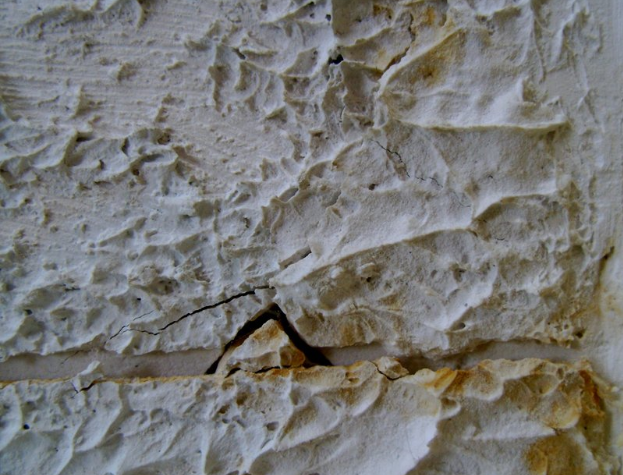
Walk around the foundation during dry weather and look for cracks, deteriorated mortar, peeling paint, efflorescence, and damp spots. A white, powdery residue often indicates that moisture has moved through masonry and left mineral deposits behind. Mark existing cracks and check them after heavy rain to see whether they are expanding or becoming wet.
Seal small, stable masonry cracks with a product intended for foundation use, following the manufacturer’s instructions. Flexible polyurethane or epoxy systems may be appropriate for different crack types, but a repair should not hide signs of shifting walls or uneven floors. Horizontal cracks, bowing walls, and recurring leaks deserve evaluation by a qualified foundation professional.
Keep soil, mulch, and firewood from pressing against the foundation. Wood stored beside the house can hold moisture and create pest concerns as well as block visual inspections. If construction or excavation has exposed foundation areas, review this termite protection guide to understand how moisture control and termite prevention work together.
Improve Yard Grading And Roof Drainage
The ground should generally slope away from the house so rainwater moves toward a safe drainage area. Low spots beside the foundation can be filled with compacted soil, but avoid covering siding, brick weep holes, vents, or other openings. Recheck the slope after several storms because loose fill can settle and recreate a basin near the wall.
Clean gutters at least twice a year and inspect them before the storm season. Leaves and roof grit can block water, causing overflow beside the foundation. Downspouts should discharge several feet away from the house through extensions or splash blocks, provided the runoff does not flow toward a neighboring property, walkway, septic area, or eroding slope.
If the yard remains saturated, consider a swale, surface drain, curtain drain, or other engineered solution. French drains can help in some settings, but they must have a suitable outlet and should not be installed without understanding local soil, groundwater, and utility conditions. Never direct roof runoff into a basement stairwell or window well.
Match Safeguards To Flood Risks
Different entry points require different controls. A sump pump cannot correct a clogged gutter, and sealing a window does not solve water rising through a floor drain. Identify the likely route first, then choose a measure that manages that specific source.
The options below provide a starting point for common basement conditions. Local soil, rainfall, foundation design, and plumbing rules can change which solution is appropriate.
| Risk area | Preventive measure | Maintenance check |
|---|---|---|
| Roof runoff near walls | Clean gutters and add downspout extensions | Test flow with a hose before storm season |
| Groundwater rising below the slab | Maintain a sump pump and backup system | Pour water into the pit and verify automatic activation |
| Basement windows below grade | Install secure window-well covers and clear gravel | Remove leaves and confirm the well drains freely |
| Sewer backup | Use an approved backwater valve where suitable | Have the valve inspected and keep cleanout access clear |
| Floor drain overflow | Check for blockage and confirm proper drainage | Arrange plumbing evaluation if water backs up |
| Power loss during storms | Add a battery backup or generator-ready pump | Test batteries and follow generator safety rules |
Do not cover an active leak before determining whether the wall is under pressure or whether a plumbing line is involved. A temporary patch may reduce dripping but leave the cause untreated. Record repairs, pump tests, and recurring wet areas so patterns are easier to identify.
Protect Windows, Doors, And Openings
Basement windows and exterior stairwells are common stormwater entry points. Keep window wells free of leaves, soil, toys, and snow. A properly fitted transparent cover can reduce direct rainfall while still allowing light into the room. Replace cracked window frames, damaged seals, and deteriorated masonry around the opening.
Check basement doors for weatherstripping, a tight threshold, and a positive latch. Exterior stairs should drain toward a functioning channel drain rather than toward the doorway. If a drain repeatedly clogs, remove debris and investigate whether sediment, roots, or an undersized outlet is restricting flow.
Wooden trim, decks, and nearby structures should also be inspected for decay and insect damage. Openings created by carpenter bees or other wood-boring pests can allow moisture into framing and make repairs less durable. Learn about carpenter bee damage when exposed wood is located near basement windows, porches, or stair enclosures.
Keep The Sump Pump Ready
A sump pump is a central defense when groundwater collects beneath or beside a basement. Confirm that the pump sits upright, the float or pressure sensor moves freely, and the discharge pipe is firmly connected. The outlet should carry water away from the foundation and remain clear of ice, mulch, or landscaping debris.
Test the pump by slowly adding water to the pit until it starts. Listen for unusual grinding, rattling, or repeated short cycling. The pump should remove water steadily and stop after the level drops. If it runs continuously during ordinary weather, the system may have inadequate capacity, a blocked discharge, or excessive groundwater entering the pit.
A battery backup can keep the pump operating during a power outage, while a second pump adds capacity during intense rainfall. Keep the backup battery maintained according to its design. Portable generators must remain outdoors, far from doors and windows, because carbon monoxide can accumulate indoors even when a door is partly open.
Use A Simple Storm Preparation Checklist
A written routine helps prevent last-minute oversights when a severe weather alert arrives. Focus on the systems that can be checked quickly and the belongings most vulnerable to water.
- Clear leaves from gutters, downspouts, window wells, and exterior drains.
- Test the sump pump, backup pump, alarm, and battery before heavy rain begins.
- Move boxes, electronics, documents, and chemicals onto shelving above floor level.
- Secure outdoor furniture and inspect basement doors, windows, and drain covers.
- Save contact information for a plumber, electrician, restoration company, and local officials.
Avoid storing valuables directly on concrete, even when the basement has never flooded. Plastic storage bins with tight lids offer better protection than cardboard, but they should still be raised on shelving or sturdy pallets. Keep important records in waterproof containers and maintain digital copies in secure storage.
After a major storm, look for standing water, new cracks, sewage odor, tripped breakers, and wet insulation. Do not enter water near electrical outlets, appliances, or damaged wiring. If flooding involves sewage or contaminated runoff, keep people and pets away and arrange safe cleanup rather than using household fans immediately.
Coordinate With Local Drainage Resources
Some flooding originates beyond the property line. Blocked roadside ditches, overwhelmed culverts, storm-drain restrictions, and changing runoff from nearby construction can all affect basement water levels. Photograph the problem during or soon after rainfall, noting dates, locations, and the direction of water flow.
For public drainage concerns, road issues, or local contacts, the county’s county offices directory can help you identify the appropriate department. Private foundation repairs and plumbing work still require qualified contractors, but accurate local reporting may help address drainage conditions that homeowners cannot correct alone.
Make storm preparation routine rather than seasonal guesswork. Inspect drainage at the start of the wet season, test mechanical equipment monthly during periods of frequent rain, and repeat the check whenever landscaping, roofing, plumbing, or construction changes the way water moves around the property.
Start this week by cleaning the gutters, testing the sump pump, checking every basement opening, and moving vulnerable belongings off the floor. These small actions can limit water intrusion, reduce repair costs, and make the basement safer when the next storm arrives.