How to Prevent Ants from Invading Your Kitchen
Ants enter kitchens because they find what they need in one convenient place: food, moisture, warmth, and protected pathways. A few workers near the sink can quickly become a steady trail leading to cupboards, pet bowls, or the pantry. Effective ant control starts with removing these attractions before the colony becomes established.
The most reliable approach combines sanitation, moisture management, physical barriers, and careful observation. Spraying visible ants may provide temporary relief, but it rarely addresses the nest or the scent trail that guides additional insects indoors.
Different ant species respond to different conditions. Odorous house ants often follow sugary spills, while carpenter ants may be associated with damp or damaged wood. Identifying where ants travel and what they are seeking makes prevention more practical and reduces unnecessary pesticide use.
Remove Food Sources And Scent Trails
Wipe counters, cabinet shelves, and floors after preparing meals, especially when using honey, syrup, fruit juice, or cooking oils. Ants can detect tiny food residues that are invisible to people. Pay close attention to toaster crumbs, grease around the range, and sticky spots beneath small appliances.
Store sugar, flour, cereal, pet food, and snacks in tightly sealed containers rather than open bags or cardboard boxes. Empty indoor trash frequently and rinse recyclable cans before placing them in a bin. Pet bowls should be cleaned regularly, and uneaten food should not remain on the floor overnight.
When you find an ant trail, clean it with warm soapy water or a mild household cleaner. This removes the pheromone scent that tells other ants where to walk. Avoid simply crushing the insects and leaving the area untreated, since the remaining chemical trail can continue directing workers toward the same food source.
Control Moisture Around The Kitchen
A dripping faucet, damp cabinet base, or slow leak beneath the sink can make the kitchen attractive even when food is carefully stored. Inspect supply lines, drain connections, dishwasher hoses, and the area around the refrigerator ice maker. Dry wet surfaces promptly and repair small leaks before wood or particleboard begins to swell.
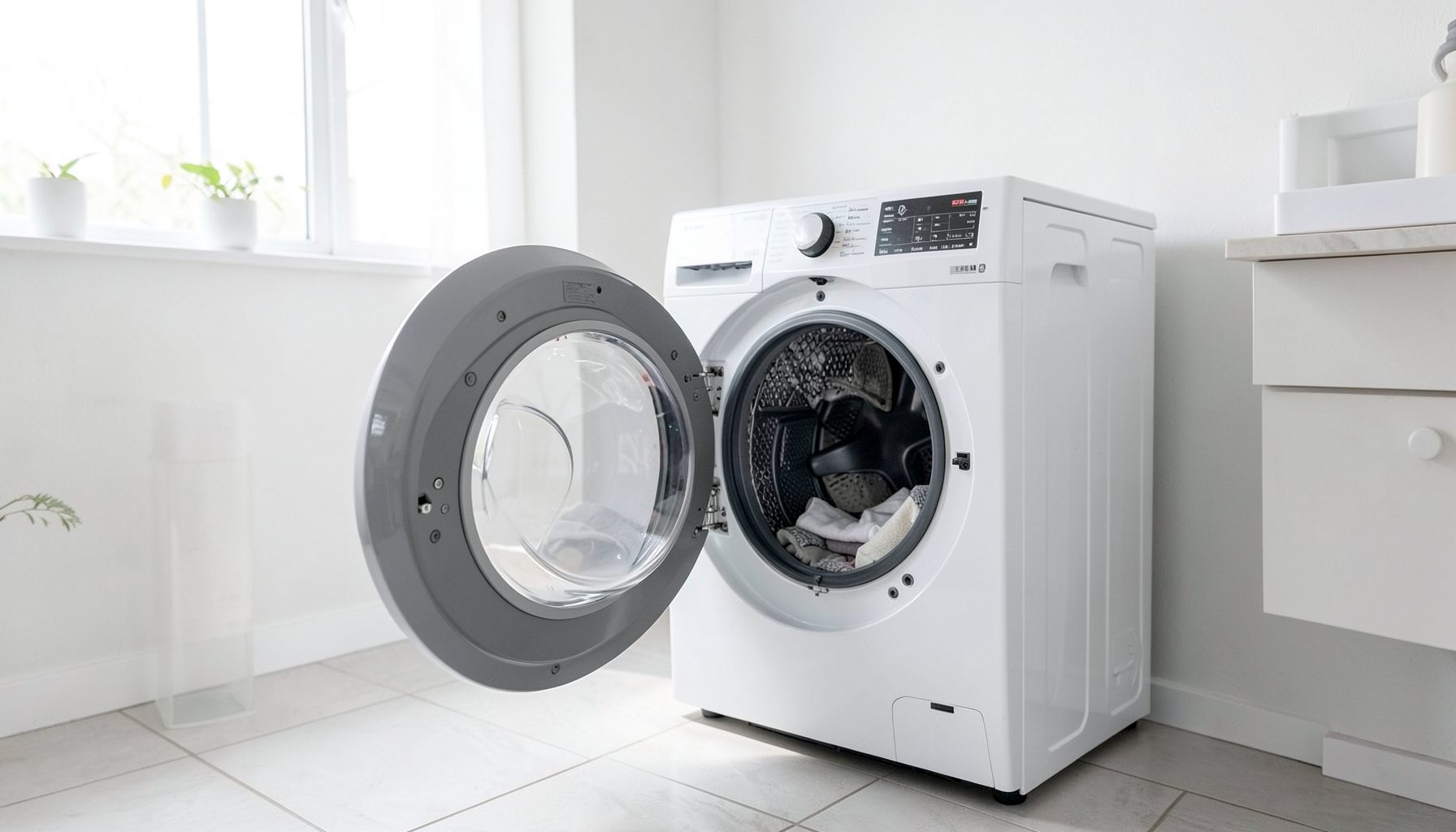
Ventilate the room when boiling water or using a dishwasher. Condensation around windows and walls can also create damp conditions that support pests. If a dishwasher leaves standing water, dishwasher troubleshooting can help identify drainage problems that contribute to excess moisture.
Keep sponges, dishcloths, and mop heads dry between uses. Replace musty sponges and wring out cloths rather than leaving them in a wet pile beside the sink. Check for mildew or soft wood under the cabinet, since recurring moisture may indicate a hidden plumbing problem rather than ordinary surface dampness.
Seal Entry Points Before Ants Find Them
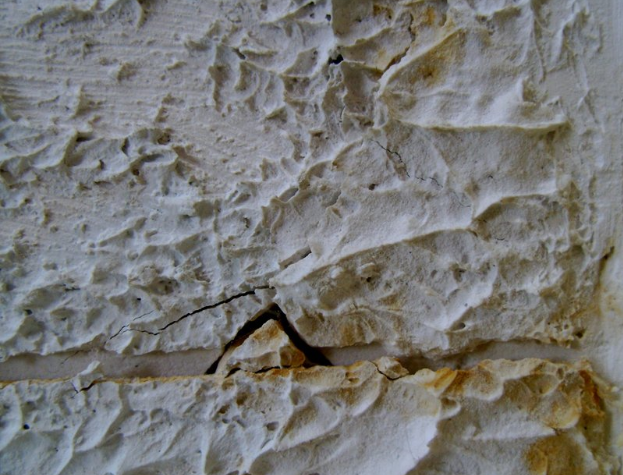
Ants commonly enter through gaps around plumbing pipes, window frames, doors, foundation cracks, and utility lines. Examine the wall beneath the sink, the backsplash, and the joints where countertops meet walls. Even a narrow opening can serve as a dependable route for small insects.
Use caulk suitable for the surface to close indoor gaps, and replace damaged weatherstripping around exterior doors. Repair torn screens and trim vegetation away from walls so branches do not create bridges into the house. Outdoor nests near the foundation, patio, or trash area deserve attention because they can send workers directly toward indoor entry points.
Do not seal an opening while a large number of ants are actively emerging from it without first checking the surrounding area. Blocking one route may cause the insects to search for another path through cabinets or wall voids. Observe the trail, locate the likely source, and then close access after activity has declined.
Compare Common Ant Control Methods
Household ant problems vary in size and location. A quick cleanup may be enough when a few workers are exploring, while recurring trails or winged ants may signal a larger colony. The following options can help homeowners choose a measured response.
| Method | Best use | Benefits | Limitations |
|---|---|---|---|
| Soapy-water cleanup | Short trails on counters or floors | Removes ants and scent trails quickly | Does not reach the nest |
| Sealed food storage | Pantry and countertop prevention | Removes major food incentives | Requires consistent habits |
| Ant bait stations | Established indoor trails | Workers may carry bait back to the colony | Must be kept away from children and pets |
| Caulk and weatherstripping | Gaps near doors, windows, and pipes | Prevents repeated entry | Does not solve an outdoor nest by itself |
| Professional pest assessment | Persistent or widespread activity | Helps identify species and hidden nests | May involve added cost and follow-up |
Avoid spraying repellent insecticide directly around bait stations. Repellents can discourage worker ants from carrying bait back to the colony, reducing the value of the treatment. Always follow product directions, use only products labeled for indoor use, and keep applications away from food preparation areas.
Use Outdoor Prevention To Reduce Indoor Activity
Kitchen ant prevention often begins outside. Keep mulch, leaf litter, firewood, and dense ground cover away from the foundation. These materials can shelter insects and maintain moisture close to the walls. Trim plants that touch siding, windows, or roof edges, and inspect the foundation after heavy rain.
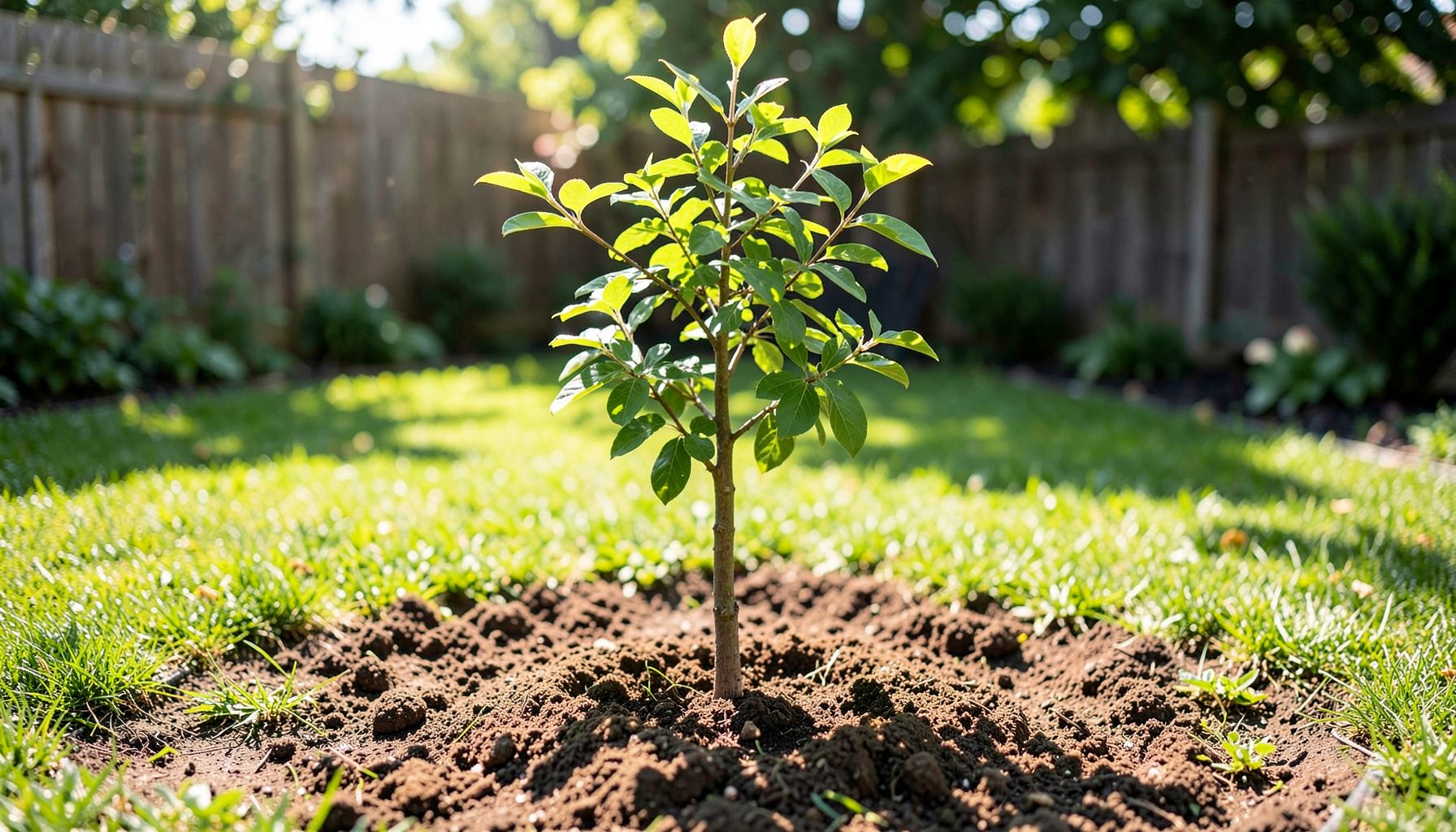
Fertilizer itself is not usually the main cause of an indoor ant problem, but spilled lawn products, compost, and sugary organic amendments can attract insects or support aphids that produce honeydew. Applying garden products carefully and storing them securely is part of broader yard maintenance; this fertilizer guide offers useful context for handling lawn and garden materials responsibly.
Outdoor lights near doors can attract many insects, which may provide food for ants and other pests. Use properly shielded fixtures where possible and keep door thresholds clean. Check patio furniture, cardboard packages, and potted plants before bringing them into the kitchen, since ants may be hidden underneath or inside them.
Choose Baits And Cleaners Carefully
Ant baits work by allowing worker ants to carry a slow-acting food-based treatment back to the colony. Place them near active trails but away from counters, utensils, children, and pets. Resist the urge to kill every ant near the station, because the workers need time to transport the bait.
Different ants prefer different bait formulations. Some are drawn to sweet liquids, while others favor protein or grease-based options. If one type is ignored, replacing it with another labeled option may be more effective than placing many products throughout the kitchen.
Keep cleaning products and pesticides in their original containers and never mix chemicals. Do not use outdoor insecticides on indoor surfaces unless the label specifically permits it. If ants continue appearing after food, water, and entry points have been addressed, the colony may be inside a wall, under flooring, or near a moisture-damaged area.
Build A Simple Kitchen Pest Routine
Small habits are easier to maintain when they are attached to ordinary chores. A weekly inspection can catch crumbs, leaks, damaged seals, and new gaps before they become an established infestation. Include nearby floors, pantry corners, the underside of appliances, and the cabinet beneath the sink.
- Wipe food residue from counters and floors each evening.
- Store pantry goods and pet food in sealed containers.
- Empty trash and clean recycling containers regularly.
- Dry the sink area, sponges, and dishcloths before bedtime.
- Inspect plumbing connections and exterior entry points each month.
Soft flooring or damp carpet near the kitchen can retain moisture and food particles that are difficult to remove with casual vacuuming. Routine carpet cleaning advice can help maintain nearby floors, especially in homes where spills, pets, or frequent foot traffic create conditions that attract insects.
When monitoring reveals a pattern, record where ants appear, what time activity increases, and whether trails lead toward a wall, window, cabinet, or appliance. These details can help distinguish an isolated food-seeking visit from a recurring access problem and make any professional inspection more efficient.
Keep Your Kitchen Ant-Resistant
Preventing ants is an ongoing home maintenance task rather than a single treatment. Clean food residues quickly, correct leaks, reduce outdoor shelter, and seal practical entry points. These steps address the conditions that allow ants to return instead of focusing only on the insects currently visible.
Begin with the simplest actions today: inspect beneath the sink, secure pantry foods, wash away existing trails, and check doors and windows for gaps. If activity persists, use labeled bait correctly or arrange a pest assessment to locate hidden nesting areas. A consistent routine will help keep your kitchen cleaner, drier, and far less inviting to ants.