
How to plant a windbreak to protect your house
Strong winds sweeping across the Australian countryside can drive dust, leaf litter and rain against walls, windows and outdoor fittings. A well-planned windbreak slows that airflow, shades outdoor living areas and reduces the strain on everything from paintwork to window screens. For homeowners in places like Ballarat, Bendigo or the Adelaide Hills, where westerlies can gust hard for hours at a stretch, planting a living barrier is one of the most cost-effective long-term defences a property can have.
A windbreak is more than a row of trees. It is a deliberately designed buffer of shrubs and trees arranged to filter, rather than block, the breeze. Done properly, it lowers wind speed on the leeward side by roughly half, softens summer sun and creates a calmer microclimate around the house. Done poorly, it can shade gardens, trap cold air or even fuel a bushfire. The difference comes down to species choice, spacing and an understanding of the local conditions.
Why a windbreak earns its place
Wind in the southern half of the continent often arrives from the west or south-west, carrying topsoil from dry paddocks and debris from urban trees. A mature windbreak can cut wind speed around a home by up to 50 percent, which translates into measurable savings on heating and cooling. CSIRO windbreak studies have shown that even a modest, well-tended barrier reduces dust ingress through gaps around doors and screens, a quiet but constant source of grit that wears down seals.
Beyond comfort, a windbreak stabilises soil, particularly on the exposed edges of suburban blocks in new estates on the urban fringe of cities like Melbourne or Geelong. Roots bind the earth, leaf litter slows runoff and the shade keeps soil biology alive through hot spells. For households that spend time outdoors, the calmer air also keeps patio umbrellas, drying laundry and outdoor furniture where they belong.
Picking the right spot on your block
The first rule of windbreak layout is distance. Plant too close to the house and you invite root damage to foundations, blocked gutters and perpetual shade on solar panels. Plant too far away and the protected zone shrinks. A useful target is two to five times the mature height of your tallest species, measured from the wall you want to shield. A tree expected to reach ten metres should sit roughly twenty metres out.
Sun direction matters just as much. In southern Australia, a windbreak on the western or southern boundary will intercept the harshest winds but also block low winter sun. Many homeowners compromise by planting taller species on the south-west corner and lower shrubs along the southern boundary to keep morning light. Check your block against the afternoon sun path before you put a single spade in the ground, and remember that local councils in Victoria, South Australia and New South Wales often regulate how close vegetation can sit to a neighbour's fence line.
Choosing species that thrive in Australian conditions
Drought tolerance should drive every decision. Eucalyptus species such as Eucalyptus leucoxylon or Eucalyptus sideroxylon are reliable across much of the temperate south, while Acacia dealbata, Acacia melanoxylon and various Callistemon cultivars add layered height. For lower layers, Melaleuca and Westringia provide dense cover close to the ground and tolerate the dry spells that hit Ballarat, Castlemaine and the Adelaide Hills.
Mix natives with hardy exotics such as Cupressus macrocarpa or Casuarina if your soil suits them, but check with your local council before planting. Some states, including parts of New South Wales, restrict or even ban the sale and movement of certain environmental weeds. Buying tube stock from a community nursery or a grower familiar with Australian conditions usually yields plants that handle long, hot summers and the occasional late frost without constant supplementary watering.
Designing with bushfire safety in mind
In designated bushfire-prone areas, a windbreak must be planned alongside the property's Bushfire Attack Level rating under Australian Standard AS 3959. The goal is to slow wind-driven embers without giving them a ladder of fuel to climb. Choose varieties that carry less oil in their leaves and that drop limbs without creating deep mulch. Space trunks so the canopy is not a single continuous wall, and keep a defendable gap between the windbreak and any structure.
Maintenance of the gap is what makes the design work in practice. Clear leaf litter from the base of trees during the declared fire season, prune lower branches and keep grass short on the house side of the planting. Avoid species that shed long ribbons of bark that pile against the home, and skip anything known to sucker from roots in the path of sewer lines or storm water. These habits pair neatly with the sort of routine exterior upkeep covered in guides on window screen repair, where small acts of maintenance stop bigger problems later.
Planting, watering and the first two years
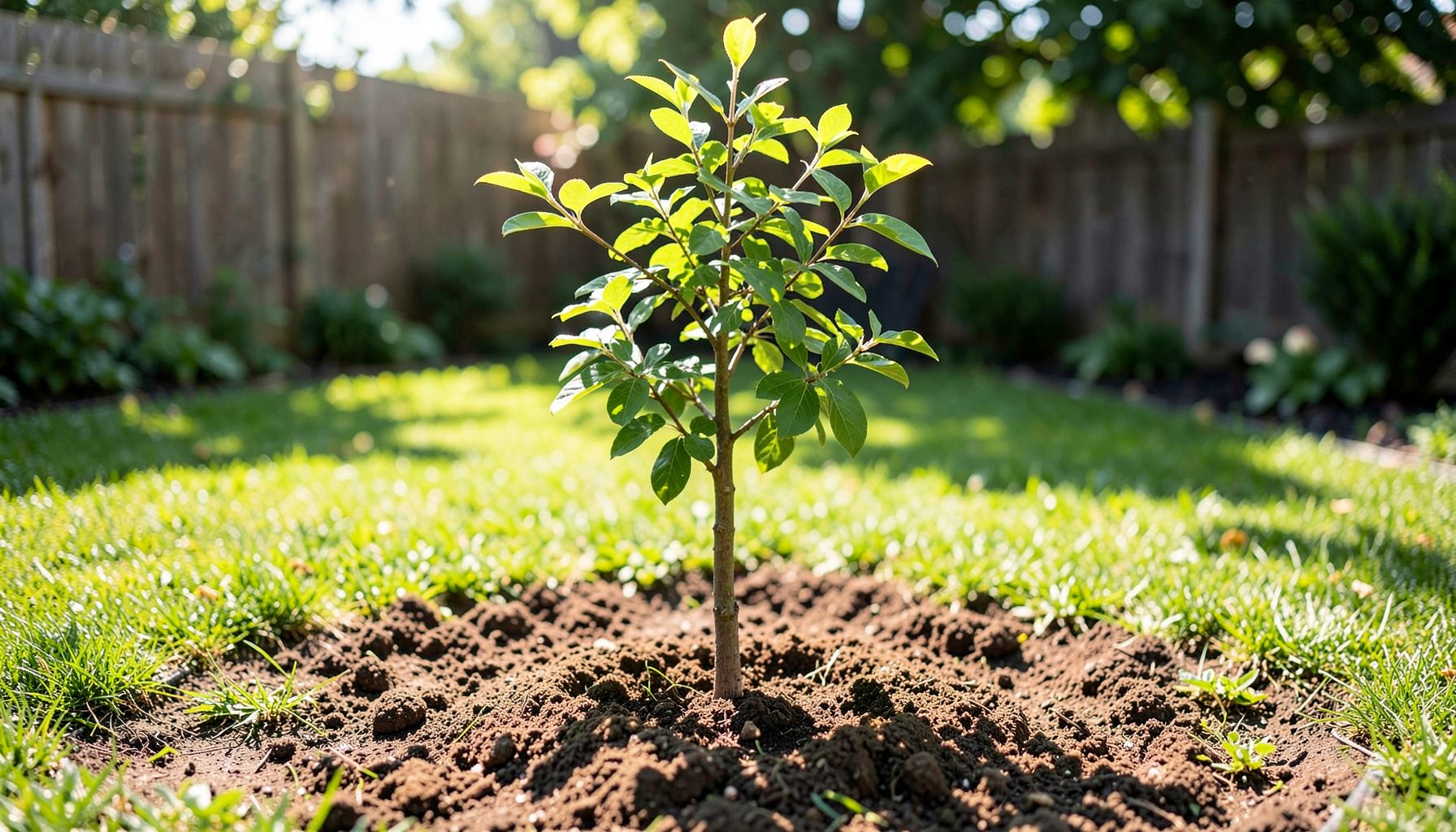
Soil preparation does most of the heavy lifting. Loosen the planting strip to at least a spade's depth, work in well-rotted compost and pre-soak each tube or potted plant before placing it in the hole. Water in deeply at planting and mulch with coarse straw or bark, keeping the mulch clear of the trunk by a hand's width to prevent collar disease. A drip line run along the row makes the establishment phase far easier and uses far less water than hand watering during dry spells.
For the first two summers, deep weekly soakings outperform daily sprinkles because they push roots downward. If you rely on an outdoor tap to keep the new windbreak alive, fix any leaks early so you are not pouring treated water into the soil; a quick walk-through on fixing a dripping faucet can save both water and pressure. Stake taller species for the first season only, remove the ties before they bite into the bark, and weed the strip regularly so the young plants do not compete for moisture.
Long-term care and local rules
A windbreak is not a project you plant and forget. Plan a light annual prune in late winter or early spring, removing dead wood and keeping the lower canopy open. Replenish mulch every couple of years, watch for suckers near foundations and keep an eye on how the barrier is interacting with neighbours. Most local councils across Australia require a permit before removing a mature tree, so consider that before you ever reach for a saw on your own block.
Take a slow walk around the property each year and check the windbreak as carefully as you check the roof. The reward is a calmer, cooler home, healthier garden beds, lower dust inside and a steadier outdoor space for entertaining, drying clothes or simply sitting on the porch when the southerly changes.
Over the longer term, a windbreak planted with the right species in the right place and tended for the first few seasons will quietly do its job for decades. The thing worth remembering is that the value of a windbreak is measured less in what it stops and more in what it lets a household forget about for years at a stretch.