
How to Plant a Privacy Hedge for Year-Round Shade
A well-planned privacy hedge can screen a neighbouring house, soften a boundary and provide useful shade through every season. The best result comes from matching the plants to your local climate, allowing enough room for mature growth and establishing a reliable watering routine from the beginning. Learn more about Contact.
Australian gardens face strong summer sun, dry spells, sudden downpours and, in some areas, water restrictions. A hedge that thrives in coastal Sydney may struggle in inland Victoria or a humid Queensland yard, so plant selection and preparation matter as much as planting technique.
Choose the position and purpose
Start by deciding what the hedge must do. A screen beside a patio may need to block low afternoon sun, while a boundary planting may need to hide a fence or reduce views from a neighbouring upstairs window. Mark the direction of the sun at different times of day, especially in summer, and note where shade will fall across the house, lawn and garden beds.
Keep the mature width in mind rather than judging the plants by their nursery pot size. A hedge planted hard against a fence can become difficult to prune, trap moisture against timber and push into gutters or pathways. In a narrow Melbourne courtyard, a slim upright screen may be more practical than a broad row of shrubs. Check property boundaries, underground services and any local council rules before digging.
Select plants for your climate
Evergreen species are the usual choice for year-round privacy and shade. Lilly pilly varieties, viburnum, westringia, photinia, mock orange and some clumping bamboo can work well, although each has different requirements for height, spread, frost tolerance and water. Native options are often valuable for Australian conditions, particularly where heat, wind or low rainfall makes exotic plants unreliable.
Use local growing advice rather than choosing a plant solely because it looks attractive at the garden centre. A species suitable for Brisbane may resent cold winters near Canberra, while a plant that copes with Perth’s dry summers may need extra protection in a wet tropical district. The Australian climate can vary sharply even within one state, so the tree planting advice can provide useful background when comparing woody plants and long-term growth habits.
Avoid invasive species and be cautious with running bamboo, which can spread beyond the intended bed unless contained properly. If the garden is in a bushfire-prone area, contact the local council or fire authority for guidance on plant spacing, fuel loads and vegetation near buildings. A dense hedge should never block access to gates, hydrants or evacuation routes.
Prepare the soil and layout
Remove grass, weeds and old roots from a strip wider than the planting holes. Improve compacted soil with well-rotted compost, but do not create a rich pocket that is dramatically different from the surrounding ground. Roots need to move outward, and a sharp change in soil texture can hold too much water around the new root ball.
Lay out the plants before digging. Measure the recommended spacing from the centre of one plant to the next, then adjust for the desired density and mature size. Closer spacing produces a screen sooner but increases competition for water and nutrients. Wider spacing costs less initially and gives each plant room to develop, though it may leave gaps for several years.
For many medium hedges, spacing around 80 centimetres to 1.5 metres is a useful starting point, but the label and expected mature width should guide the final measurement. Leave a clear strip between the hedge and paving where possible. This makes mulching, mowing and inspection easier and reduces roots lifting hard surfaces.
Plant at the right time
In much of Australia, autumn is an excellent planting season because the soil remains warm while evaporation is lower. Early spring can also work in cooler areas, provided plants are watered consistently before hot weather arrives. Avoid planting during heatwaves, frosty periods or immediately before a forecast run of severe wind.
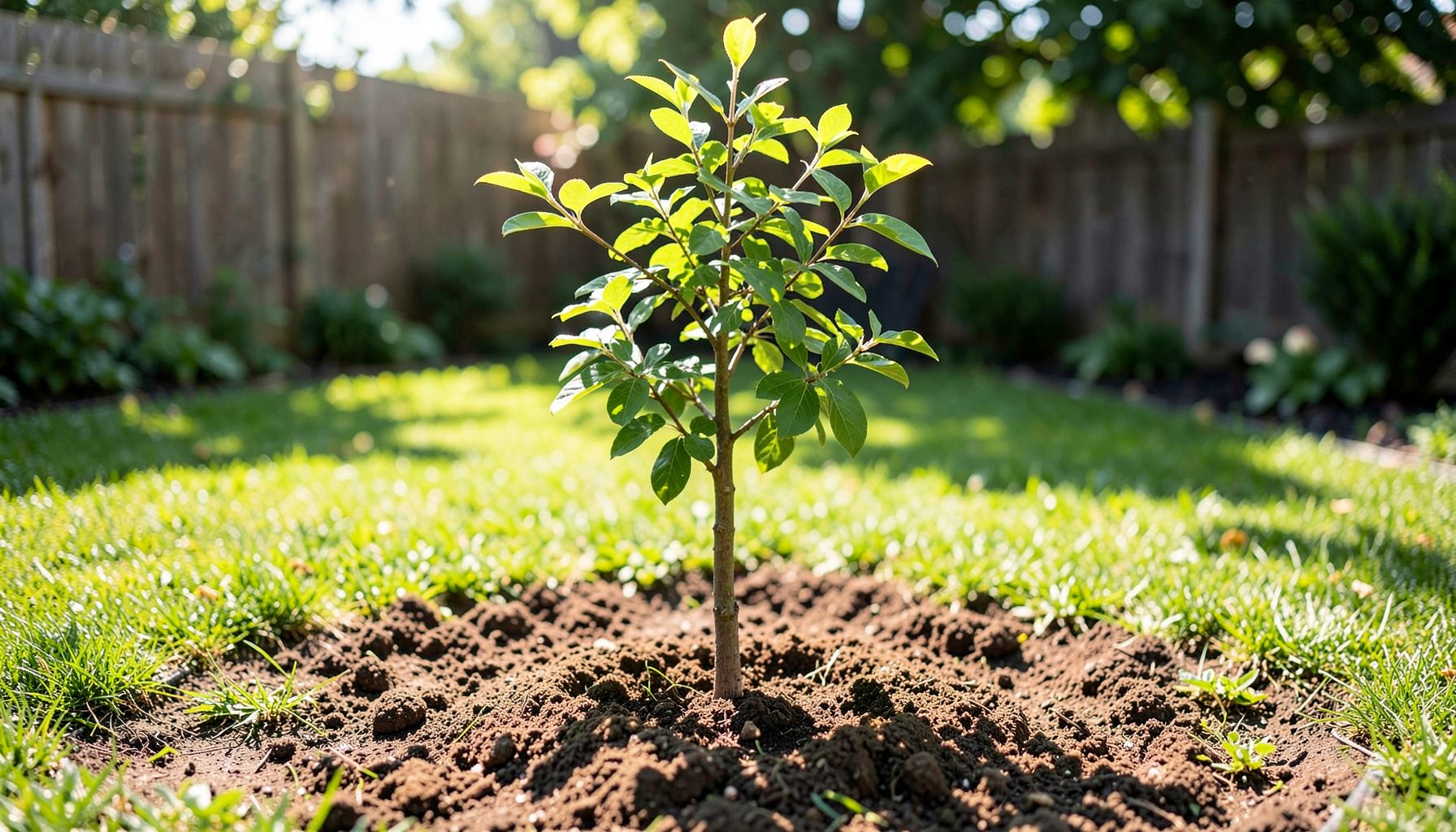
Dig holes about twice as wide as the root ball and no deeper than its existing soil level. Gently tease out circling roots, place the plant upright and backfill with the excavated soil. The top of the root ball should sit level with, or just slightly above, the surrounding ground so water does not collect around the stem.
Firm the soil lightly to remove large air pockets, then water slowly and thoroughly. Add a 5–8 centimetre layer of organic mulch, keeping it several centimetres away from trunks and stems. Mulch touching the plant can encourage rot and provide shelter for pests. A temporary stake may help in an exposed coastal or rural position, but remove it once the roots hold the plant securely.
Establish watering and mulch
New hedges need regular deep watering while roots spread beyond the original potting mix. Check the soil with a finger or hand trowel rather than watering to a fixed calendar. Sandy soils may dry quickly, while heavy clay can remain wet below the surface. A slow drip line or soaker hose usually applies water more evenly than a brief spray from a hose.
During an Australian summer, water early in the morning to reduce evaporation and allow foliage to dry. Follow local restrictions, and consider rainwater storage where permitted. Do not assume greywater is automatically safe for plants: washing products may contain salts, bleach or other ingredients that damage soil. If an outdoor laundry appliance is leaking or wasting water, the washing machine guidance may help identify a separate household problem before water is redirected to the garden.
As the hedge matures, gradually lengthen the interval between watering while keeping each soak thorough. This encourages deeper roots and improves resilience during dry weather. Refresh mulch when it becomes thin, but leave the root flare and lower stems uncovered.
Prune for a dense screen
Light formative pruning encourages branching from the base and prevents a hedge from becoming tall and bare underneath. Begin once plants have settled, removing damaged growth and shortening overly long shoots. For most evergreen hedges, several small trims are better than one severe cut that exposes old wood or causes stress.
Keep the base slightly wider than the top. This angled profile allows sunlight to reach lower foliage and helps prevent the common “green wall on sticks” appearance. Use clean, sharp tools and disinfect them between plants when dealing with suspected disease. Avoid heavy pruning during extreme heat, drought or periods of new frost.
The timing depends on the species and region. A major trim is often best after the strongest seasonal growth, while flowering hedges may need pruning after blooms fade. Check for nesting birds before cutting, particularly in spring and early summer. Keep branches away from rooflines, power lines and air-conditioning units as the hedge gains height.
Monitor pests, roots and safety
Inspect leaves and stems every few weeks for scale, aphids, mites, caterpillars, fungal spots and sudden wilting. Early action is usually simpler than treating a fully affected row. Improve airflow by maintaining spacing and removing dead material, and avoid wetting foliage late in the day. If one plant repeatedly fails while its neighbours thrive, investigate drainage, buried rubble or root damage rather than replacing it immediately.
Roots can eventually affect drains, paths and shallow footings, especially when large trees are used as a screen. Choose shrubs for narrow boundaries and keep vigorous species well clear of pipes and structures. A hedge should also leave room for safe access to windows, outdoor taps and inspection points.
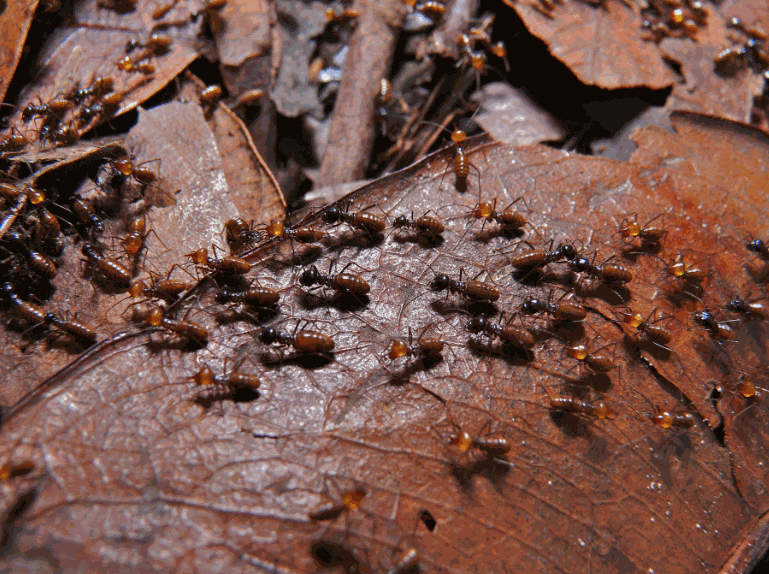
In windy or fire-prone districts, do not allow dry mulch and dead branches to build up beside walls. Keep combustible vegetation managed around sheds and the house according to local advice. Where a hedge shades the home, check that it does not block ventilation, cover damp-prone walls or create a sheltered route for termites and other pests. Regular inspection is part of protecting the property as well as maintaining privacy.
A privacy hedge becomes a reliable shade screen through steady care rather than rapid planting. Select plants that suit the local climate, space them for mature growth, water deeply while they establish and prune gradually to keep foliage dense from ground level upwards.
The practical routine is simple: inspect the soil before watering, refresh mulch without touching stems, check for pests and infrastructure problems, and trim before the hedge becomes unmanageable. These small habits produce a healthier year-round screen with fewer repairs and replacements later.