

How to Maintain Your Lawn Mower for Peak Performance
A well-maintained lawn mower cuts grass more evenly, starts more reliably, and uses fuel efficiently. Routine care also reduces vibration, prevents avoidable engine damage, and extends the useful life of the machine. Whether you use a push mower, self-propelled model, or riding mower, a few regular checks can prevent many common problems.
Lawn mower maintenance is easiest when divided into seasonal tasks and quick checks after each use. Cleaning grass clippings, inspecting the cutting system, changing fluids, and storing the equipment correctly all contribute to dependable performance.
Before working on any mower, switch off the engine, disconnect the spark plug wire on a gas model, remove the battery from an electric model, and wait for moving parts to stop. Wear gloves when handling blades, but remember that gloves do not replace careful positioning or proper tools.
Clean the mower after every use
Wet grass and soil can collect beneath the deck, around the discharge chute, and near the wheels. As this material dries, it restricts airflow and reduces cutting efficiency. A clogged deck may also force the engine to work harder, increasing fuel consumption and overheating risk.
After mowing, brush away loose clippings and use a plastic scraper for stubborn buildup. Avoid directing a strong stream of water at the engine, air filter, electrical connections, or battery compartment. If the mower deck must be rinsed, follow the manufacturer’s instructions and allow the machine to dry fully before storage.
Cleaning the underside also makes it easier to notice cracks, loose fasteners, damaged guards, or signs of corrosion. Remove debris from cooling fins and keep the area around the muffler clear, since accumulated dry grass can become a fire hazard.
Inspect and sharpen the cutting blade
A dull or damaged blade tears grass rather than slicing it cleanly. Torn tips often turn brown or gray and leave the lawn looking uneven several days after mowing. Excessive vibration, unusual noise, or stripes of uncut grass can also indicate a bent, unbalanced, or worn blade.
Inspect the blade at least several times during the mowing season. Look for deep nicks, cracks, excessive thinning, and bent edges. A blade with structural damage should be replaced rather than repaired. When sharpening a serviceable blade, preserve its original angle and remove an equal amount of metal from both ends.
Balance the blade before reinstalling it. An unbalanced blade can strain the crankshaft, loosen hardware, and create dangerous vibration. Tighten the retaining bolt to the specification in the owner’s manual, then confirm that the blade rotates freely without contacting the deck.
Keep the engine, battery, and fluids healthy
Gas-powered mowers need clean air, fresh fuel, and the correct oil level. Check the oil before each extended mowing session and replace it according to the maintenance schedule. Dark, dirty oil or a low level can increase friction and accelerate engine wear. Always use the oil grade recommended for the mower and dispose of used oil at an approved collection site.
Inspect the air filter regularly, especially when mowing in dry or dusty conditions. Foam filters may be washable, while paper filters generally need replacement when dirty. A restricted filter can cause hard starting, weak power, and excessive exhaust smoke. The spark plug should also be checked for fouling, worn electrodes, or damaged insulation.
Battery-powered equipment requires a different routine. Keep battery contacts clean and dry, inspect the charger and cord for damage, and store batteries in a cool, dry location. Avoid leaving a lithium-ion battery in direct sun, extreme heat, or freezing conditions. Use only the charger designed for that battery system.
| Maintenance task | Typical timing | Performance benefit |
|---|---|---|
| Remove grass and debris | After every use | Improves airflow and reduces corrosion |
| Check oil level | Before gas-engine use | Protects internal components |
| Inspect the blade | Every few mowing sessions | Supports a clean, even cut |
| Clean or replace the air filter | Monthly or as needed | Helps maintain engine power |
| Check tire pressure and fasteners | Monthly | Improves stability and mowing consistency |
| Prepare for storage | Before long-term downtime | Reduces starting and fuel problems |
Check wheels, cables, and safety features
Mower wheels should roll smoothly and remain firmly attached. Uneven tire pressure can cause an inconsistent cutting height, while worn tread may make the machine difficult to control on slopes. For riding mowers, inspect steering components, belts, deck hangers, and tire pressure according to the service manual.
Examine control cables, handles, switches, and safety interlocks. A self-propel cable that feels stiff or fails to disengage deserves immediate attention. Never bypass a blade brake, operator-presence control, seat switch, or other safety feature. These systems are designed to stop the blade or engine when the operator loses control or leaves the normal operating position.
Fasteners can loosen because of vibration, so check handle bolts, wheel hardware, and deck attachments periodically. Do not overtighten small bolts, since damaged threads can make later repairs more difficult. Replace missing guards and cracked plastic components before using the mower again.
Prepare fuel and storage for the off-season
Fuel left in a gas mower for several months can deteriorate, form deposits, and clog the carburetor. For short periods of downtime, use fuel stabilizer as directed and run the engine long enough to circulate the treated fuel. For longer storage, follow the manufacturer’s instructions about draining the tank and carburetor.
Change the oil before extended storage if the manual recommends it. Remove grass from the deck, clean the air filter housing, inspect the spark plug, and lightly protect appropriate metal surfaces from rust. Store the mower in a dry, ventilated place away from furnaces, flames, and damp ground.
A storage shed should protect the machine from rain and excessive humidity. Check that the shed door opens and closes properly so the mower can be moved safely without striking the frame or being left partly exposed. If the door sticks, this door repair guide offers useful general guidance for addressing the problem.
Match mowing habits to lawn conditions
Good mowing technique reduces wear on the machine. Avoid cutting wet grass when possible, since clippings clump under the deck and increase slipping hazards. Remove stones, branches, toys, and other objects before starting. Walk the area first, particularly after storms or landscaping work.
Set the cutting height based on grass type and season rather than cutting as short as possible. Removing too much of the blade at once stresses the lawn and can overload the mower. A useful general rule is to avoid removing more than about one-third of the grass height during a single mowing session.
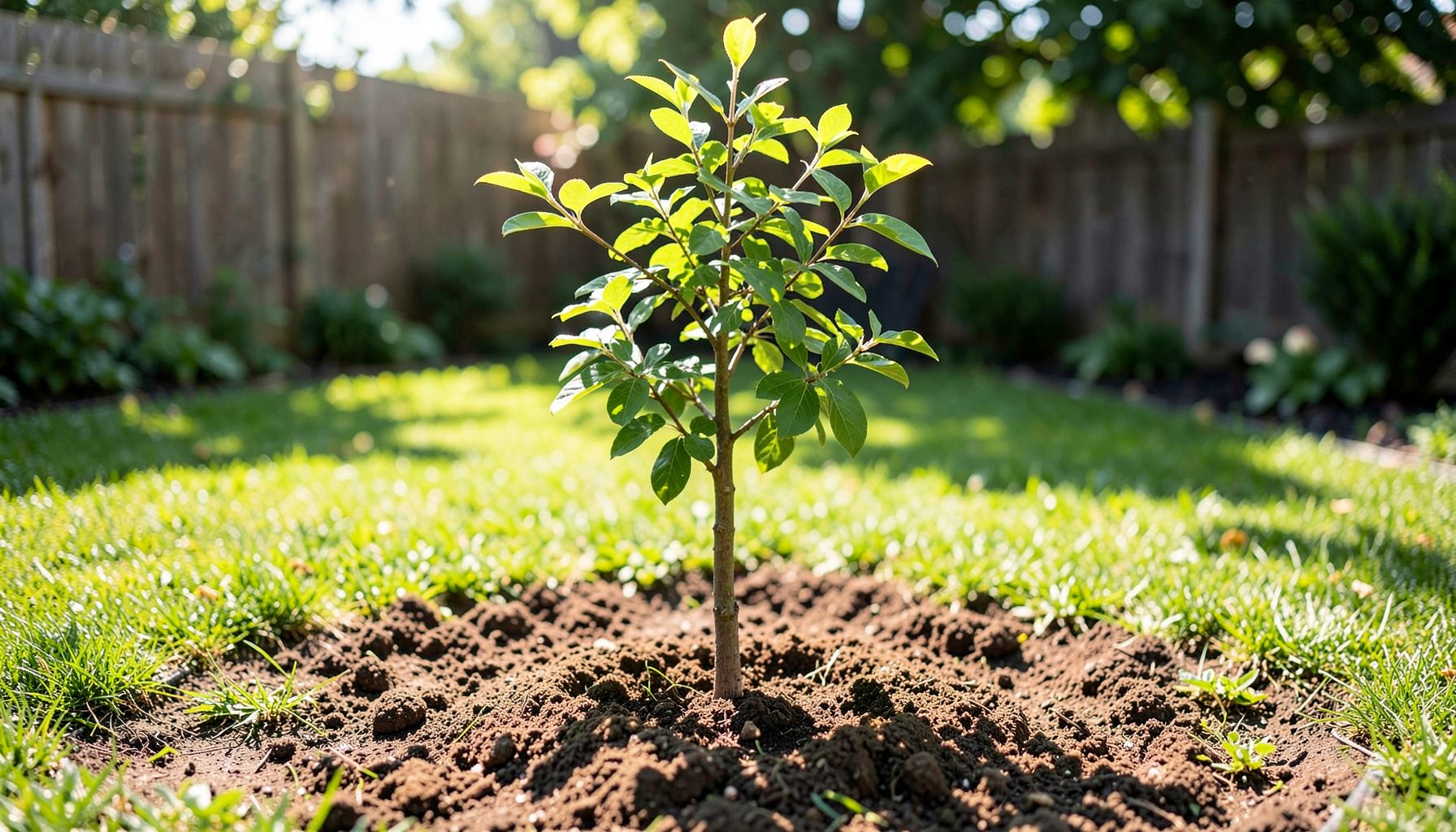
Sharp blades and a suitable deck height matter when mowing around newly planted trees. Keep the mower away from trunks, support stakes, mulch rings, and exposed roots. Before changing a planting location, review advice about whether it is safe to replant, since compacted soil and old roots can affect both tree health and mowing access.
Build a simple maintenance routine
A written schedule makes lawn equipment care less likely to be forgotten. Record oil changes, blade sharpening, filter replacement, battery inspections, and repairs in a notebook or phone reminder. Keep the owner’s manual, compatible replacement parts, and basic tools in the same storage area.
Homeowners managing several outdoor tasks can also browse broader tree care resources when planning mowing routes around landscaping. Trees, shrubs, irrigation heads, edging, and garden borders all affect how safely and efficiently a mower can be used.
Use these practical habits throughout the season:
- Brush off clippings and inspect the mower after each use.
- Check the blade, oil, air filter, wheels, and safety controls on a regular schedule.
- Stop operating immediately if the machine vibrates violently, smokes unusually, or loses a guard.
- Keep fuel, batteries, and lubricants stored according to manufacturer instructions.
- Arrange professional equipment service when an engine, electrical system, or structural component requires specialized repair.
Regular mower care pays off through cleaner cuts, fewer interruptions, and a longer service life. Set aside a few minutes after the next mowing session to clean the deck, inspect the blade, and check the controls. Small preventive tasks today can keep the machine ready for dependable lawn work throughout the growing season.