

How to Maintain Your Home’s Sump Pump
A sump pump is a quiet but important part of a home’s water management system. Installed in a pit at the lowest point of a basement or crawl space, it removes groundwater before it can soak flooring, damage walls, or encourage mold growth. Because the pump may sit unused for months, routine attention is essential.
Basic upkeep involves checking the pump, cleaning the pit, testing the float switch, and confirming that discharged water travels safely away from the foundation. These tasks take little time compared with the cleanup required after a failed pump floods a finished basement.
Maintenance should also include the surrounding plumbing and electrical components. A blocked discharge pipe, weak backup battery, or stuck check valve can prevent a working motor from protecting the house when heavy rain arrives.
Why sump pump care matters
Groundwater enters a sump pit through drain tile, foundation gaps, or naturally wet soil around the home. When the water reaches a set level, the pump activates and sends it through a discharge pipe. If the motor cannot start or the outlet is obstructed, water may rise quickly.
A neglected system can show warning signs before it stops completely. Unusual grinding, rattling, excessive vibration, frequent cycling, or a pump that runs continuously deserves attention. A musty smell, damp basement corner, or water stain near the pit may also indicate drainage trouble.
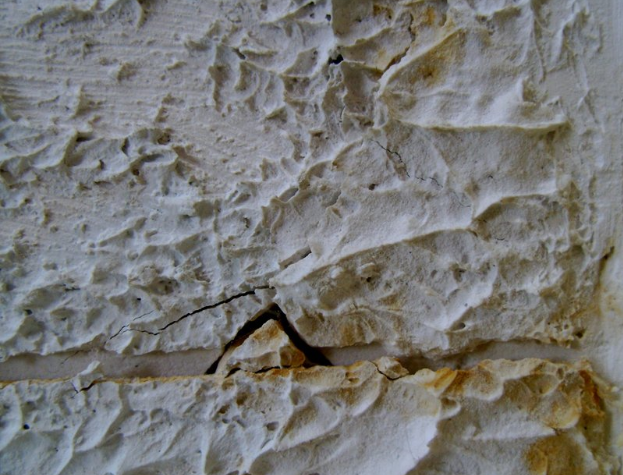
Homeowners should take extra care before storms and during spring thaw. If the property has experienced flooding, review practical water damage guidance to understand which conditions require prompt professional assessment rather than simple drying and cleaning.
Inspect the pit and pump
Start by looking into the sump basin with the power disconnected if you need to touch or reposition anything. The pit should be free of mud, gravel, insulation, and other debris that could enter the pump intake. Sediment can restrict water flow and cause the motor to work harder.
Check that the pump remains upright on a stable base. A tilted unit may allow the float switch to catch against the pit wall or nearby piping. The power cord should be intact, and the plug should connect to a properly grounded outlet protected by a ground-fault circuit interrupter where local requirements call for one.
The float mechanism needs room to move freely. Lift it gently or pour water into the basin to confirm that it rises without rubbing against the liner, pipes, or cover. Never bypass a safety device or handle electrical connections with wet hands.
Test water flow and discharge
A simple test can reveal several problems at once. Slowly pour clean water into the pit until the float activates the motor. Listen for a steady hum and watch whether the water level drops at a consistent rate. The pump should shut off after the float falls, rather than continuing to run with an empty basin.
Move outside while the pump operates and inspect the discharge outlet. Water should flow freely through the pipe and exit far enough from the foundation to avoid returning to the soil around the basement walls. The outlet must remain open during cold weather, although local conditions may require an approved freeze-protection arrangement.
Look for crushed sections, loose connections, leaks, or ice at the end of the pipe. A clogged line can create pressure inside the system and cause the pump to overheat. Downspouts and other drainage outlets should also be directed away from the foundation, since excess surface water can overwhelm the sump system.
Know which parts need attention
Several components work together, and each has a different maintenance need:
| Component | What to inspect | Warning sign |
|---|---|---|
| Pump motor | Noise, vibration, and operating time | Grinding, humming, or constant running |
| Float switch | Free movement and activation | Pump fails to start or stop |
| Check valve | Correct direction and secure fittings | Water flows back into the pit |
| Discharge pipe | Leaks, ice, blockage, and outlet position | Little or no water exits outdoors |
| Pit and cover | Debris, cracks, and a secure fit | Sediment, odors, or exposed openings |
| Backup system | Battery charge and alarm function | No response during a power test |
The check valve prevents pumped water from falling back into the basin when the motor stops. If it is installed backward, loose, or worn out, the pump may cycle repeatedly. That extra cycling increases wear and can prevent the pit from emptying properly.
A sealed or fitted pit cover can reduce humidity and keep soil gases, odors, and debris from entering the living space. It should still allow required piping and wiring to remain safely arranged. Do not seal over a setup that requires ventilation unless the equipment manufacturer and local code permit it.
Build a practical maintenance routine
A small schedule makes sump pump upkeep easier to remember. Perform a visual inspection every few months, and test the system before periods of heavy rain. If the home has a battery backup, inspect its condition more often according to the battery manufacturer’s instructions.
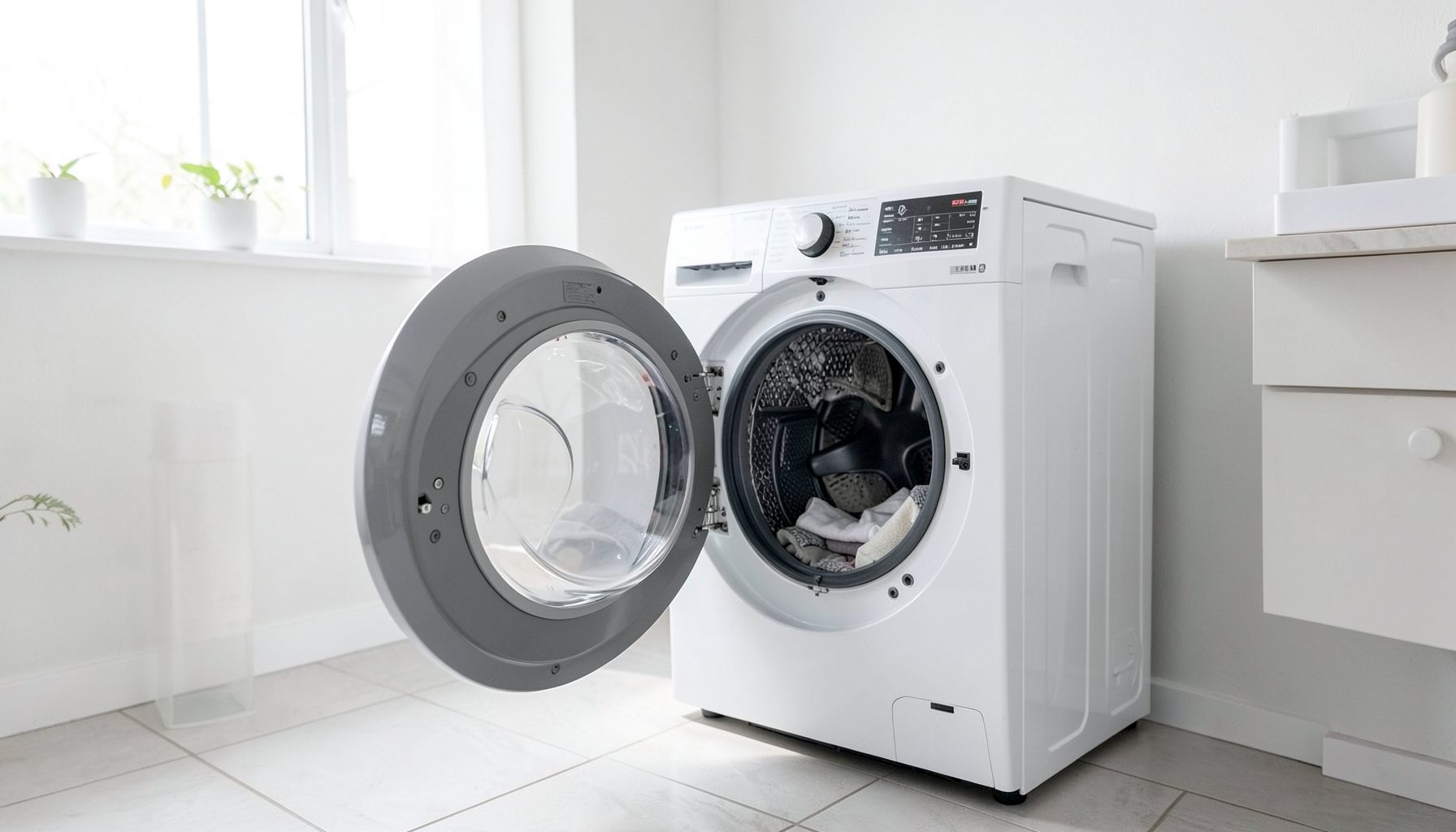
Households with washing machines near a basement drain should also watch for appliance-related leaks and drainage issues; this collection of washing machine problems can help identify water sources that may add unexpected demand to the sump system.
Use these maintenance habits:
- Remove visible debris from the pit and verify that the pump stands upright.
- Test the float switch with clean water, then confirm that the pump shuts off.
- Inspect the discharge line indoors and outdoors for leaks, blockage, or freezing.
- Check the backup battery, alarm, and secondary pump according to the manufacturer’s directions.
- Record unusual sounds, frequent cycling, or slow drainage so repairs can be addressed early.
Keep the pump’s model number, installation date, and replacement parts information in a convenient location. Manufacturer instructions are especially important for battery systems, alarms, impellers, and removable screens. When cleaning, use only methods approved for the specific equipment.
Prepare for outages and heavy rain
A primary pump cannot operate during a power outage unless it has a suitable backup. A battery-powered backup pump can provide temporary protection, while a water-powered model may suit homes with the appropriate plumbing and local approval. Neither option eliminates the need to maintain the primary unit.
Test the backup system separately from the main pump. Confirm that the alarm sounds, the battery holds a charge, and the backup discharge route is clear. Replace batteries that are swollen, leaking, or beyond their expected service life, and keep important electrical equipment elevated away from possible floodwater.
During severe weather, avoid opening the pit unnecessarily and keep children away from the area. If water is already near electrical outlets, wiring, or appliances, do not enter the space until power has been safely disconnected and the hazard has been evaluated.
Keep flood protection dependable
A sump pump works best as part of a broader moisture-control plan. Clean gutters, extend downspouts, maintain grading that slopes away from the foundation, and repair visible plumbing leaks. These measures reduce the amount of water the pump must handle and help extend its service life.
Set a recurring calendar reminder for inspection, testing, and battery checks. If the pump cannot empty the pit, trips the breaker, leaks oil, produces severe noise, or fails repeatedly, stop relying on it and arrange qualified repair or replacement. Take action before the next major storm by completing a full test, clearing the discharge route, and confirming that backup protection is ready.