How to Maintain Your Home’s Septic Tank and Prevent Backups
A septic system quietly handles wastewater every day, so it is easy to overlook until a drain slows, a toilet gurgles, or sewage appears in the yard. Regular care helps the tank, pipes, and drainfield work together and can reduce the risk of costly backups, foul odors, groundwater contamination, and premature system failure.
The best septic maintenance routine combines sensible water use, careful waste disposal, periodic inspections, and timely pumping. Homeowners should also understand the location and design of the system, since a septic tank and its drainfield need protection from vehicles, construction, aggressive roots, and excessive runoff.
Many warning signs appear before a complete blockage occurs. Slow drains throughout the house, unusually green grass over the drainfield, standing water, sewage odors, or wastewater backing up into a shower should be treated as urgent maintenance concerns rather than ordinary plumbing problems.
Learn Your Septic System’s Layout
Find out where the septic tank, access covers, inlet and outlet pipes, and drainfield are located. Keep a simple sketch with property records, especially if the tank is buried and difficult to identify. Knowing the layout makes inspections easier and prevents accidental damage during landscaping, fencing, or construction.
Your local health department, septic installer, or property records may provide information about the tank’s size and installation date. Tank size, household occupancy, soil conditions, and daily water use all affect pumping frequency. A system serving a large family generally needs attention more often than one used by a single occupant.
Keep access covers visible and secure. Do not bury them beneath sheds, patios, decks, or thick plantings. If covers are damaged, loose, or difficult to open, have them repaired by a qualified septic professional. Secure covers also help prevent children and pets from entering the tank area.
Control What Enters the Tank
A septic tank depends on natural bacterial activity to break down organic waste. Harsh chemicals, excessive disinfectants, and large quantities of antibacterial products can interfere with that process. Normal household cleaning is generally compatible with a septic system when products are used according to their labels, but avoid pouring solvents, paint, fuel, pesticides, or automotive fluids down a drain.
Never flush wipes, paper towels, feminine hygiene products, cotton swabs, dental floss, cat litter, diapers, or medications. Even products labeled “flushable” may fail to break down quickly and can contribute to pipe blockages or pump problems. Put grease, cooking oil, and fat in a sealed container and dispose of them with household waste instead of sending them into the plumbing.
A garbage disposal can increase the amount of solids entering the tank. If you use one, limit its operation, scrape food into the trash or compost where appropriate, and consider whether your septic design can accommodate the added load. Do not assume commercial septic additives are necessary; most properly maintained systems receive sufficient bacteria from ordinary wastewater.
Manage Water Use Around the House
A drainfield needs time to absorb and treat wastewater. Sending large volumes into the system at once can saturate the soil and force untreated effluent toward the surface. Repair dripping faucets, running toilets, and hidden plumbing leaks promptly, since a small leak that continues all day can add a substantial load.
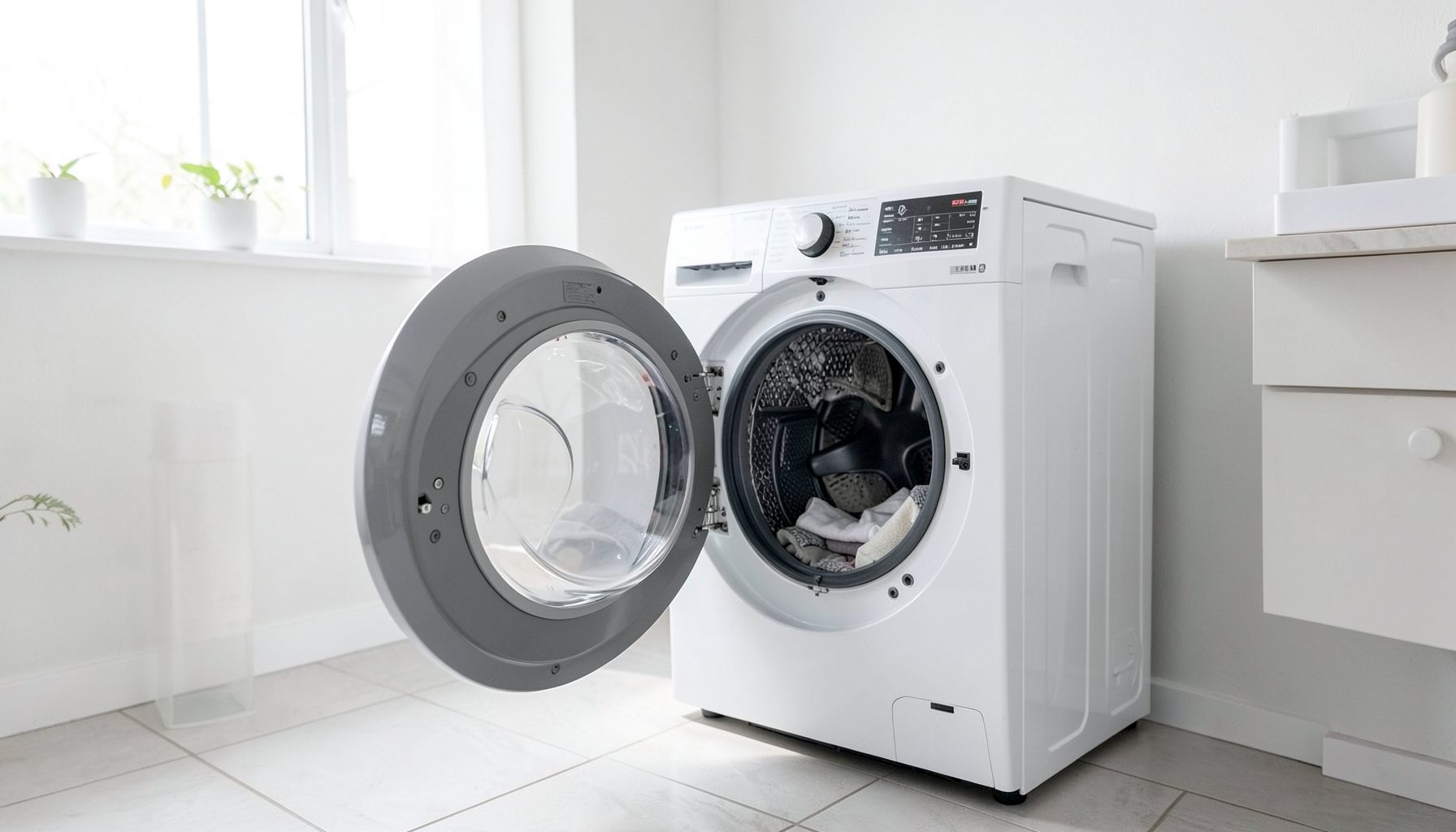
Spread laundry, bathing, and dishwasher use across the week rather than running several water-intensive appliances on the same day. Install high-efficiency fixtures where practical, but avoid making abrupt water-use changes in a system that has already shown signs of failure. A professional can evaluate unusual drainage or wet areas before the problem becomes a backup.
Keep roof gutters, foundation drains, sump pump outlets, and surface runoff away from the drainfield. Extra rainwater can saturate the soil and reduce its ability to accept septic effluent. Proper grading should direct stormwater away from the tank and treatment area without eroding the ground around access covers.
Follow A Predictable Inspection And Pumping Schedule
A septic tank should be inspected periodically so a professional can measure sludge and scum layers, check the baffles, and look for structural damage. Many homes benefit from an inspection every one to three years, although the appropriate interval depends on tank size, household habits, wastewater volume, and whether a garbage disposal is used.
Pumping is commonly needed every three to five years, but that range is only a starting point. Waiting for a backup is risky because solids may already have moved into the drainfield, where they can clog soil pores and cause long-term damage. Keep invoices and inspection reports so future maintenance can be based on actual system performance.
| Household condition | Likely maintenance need | Safer practice |
|---|---|---|
| One or two occupants with moderate water use | Longer pumping interval may be possible | Confirm timing through inspections |
| Larger household or frequent laundry | Tank fills with solids faster | Schedule more frequent evaluations |
| Regular garbage disposal use | Increased organic solids | Use sparingly and monitor sludge levels |
| Older tank or unknown system history | Higher risk of hidden defects | Arrange a professional inspection |
| Slow drains, odors, or wet ground | Possible blockage or drainfield stress | Reduce water use and seek prompt assessment |
Protect The Tank And Drainfield
Keep cars, trucks, trailers, sheds, pools, and heavy equipment off the tank and drainfield. Soil compaction can prevent wastewater from moving properly, while vehicle weight may crack pipes or damage the tank. Mark the area discreetly so visitors and contractors know where driving is prohibited.
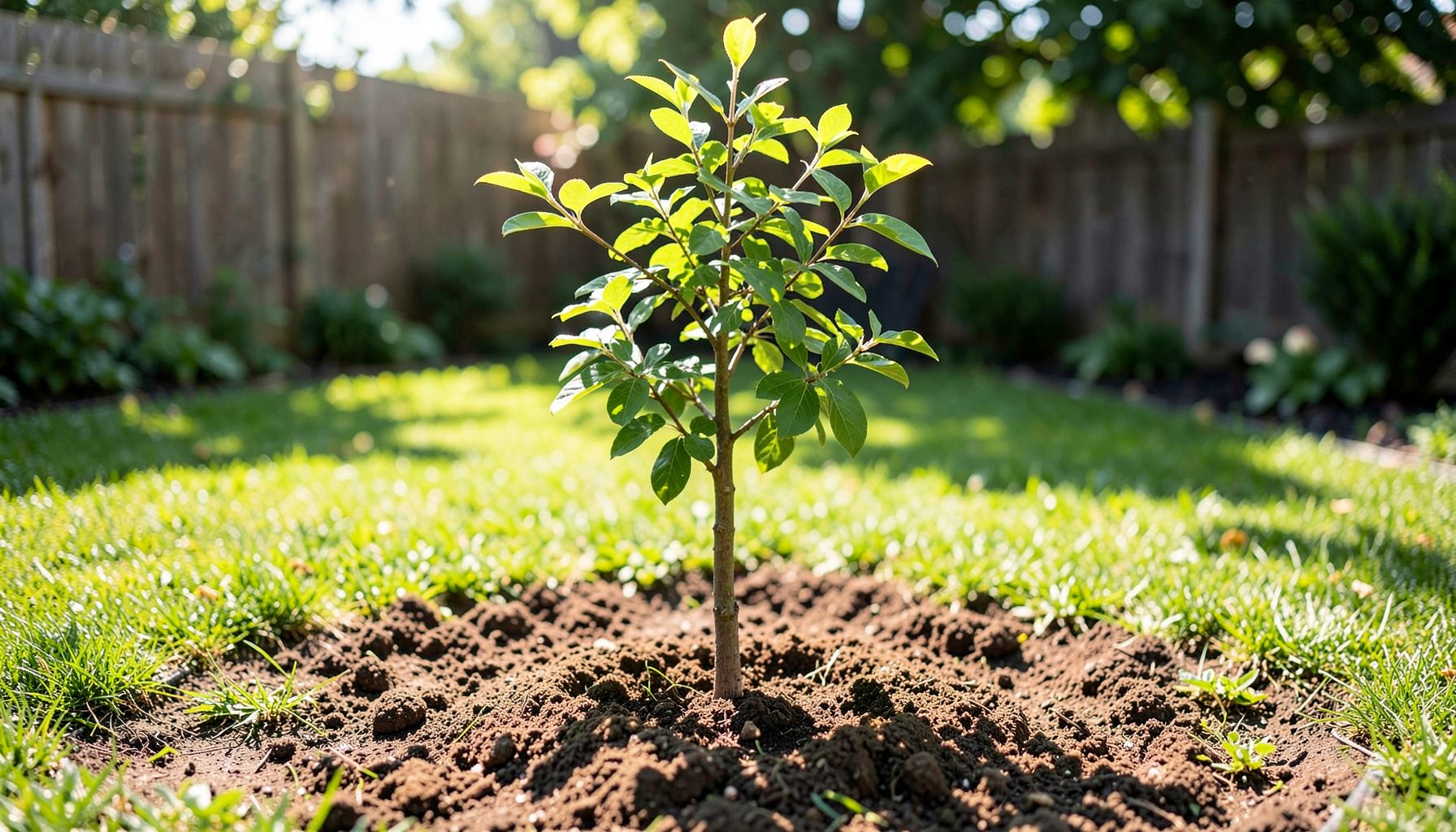
Use grass or shallow-rooted ground cover over the drainfield. Avoid planting trees and large shrubs nearby because roots can enter joints and obstruct pipes. If a dead tree or stump is close to the septic area, plan removal carefully; guidance on safe stump removal can help you consider underground utilities, roots, and equipment before work begins.
Do not build over the drainfield or place impermeable surfaces such as concrete and asphalt across it. These surfaces limit oxygen exchange and prevent rain from reaching the soil naturally. Fence posts, irrigation trenches, and landscaping walls should also be planned only after the septic layout is confirmed.
Respond Quickly To Warning Signs
A single slow drain may result from a localized plumbing clog, but several slow fixtures suggest a problem farther along the waste line or inside the septic system. Gurgling toilets, sewage odors near the tank or drainfield, unusually lush grass, and puddles that remain after dry weather deserve attention.
If wastewater backs up, stop using showers, toilets, washing machines, and sinks until the cause is identified. Avoid contact with sewage, keep children and pets away from affected areas, and do not attempt to open a tank without proper equipment. A septic professional can determine whether the issue involves the house sewer line, tank level, baffles, pump, or drainfield.
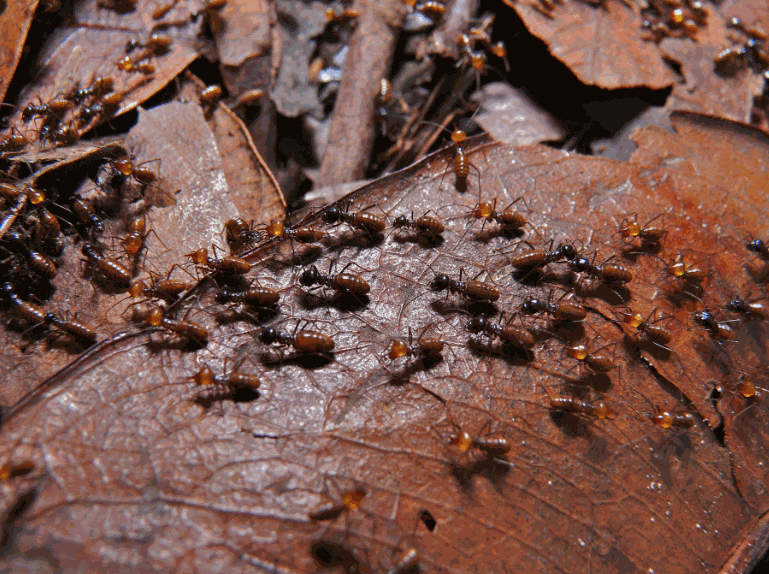
Property upkeep around the home can prevent secondary damage too. For example, learning how to prevent carpenter ant damage is useful when maintaining decks and other structures near utility routes, where moisture and hidden access points can complicate septic-area inspections.
Everyday Habits That Reduce Backup Risk
- Fix leaking toilets and faucets as soon as they are noticed.
- Flush only human waste and septic-safe toilet paper.
- Keep grease, chemicals, paint, and medications out of household drains.
- Space out laundry and other heavy water use.
- Maintain grass over the drainfield and keep vehicles away from it.
- Record inspections, pumping dates, repairs, and unusual symptoms.
A septic system is easier and less expensive to maintain when small concerns are addressed early. Walk the property a few times each year, check for odors or wet spots, and review household habits whenever occupancy or water use changes.
Arrange a professional septic inspection if your pumping history is unknown, the system is more than a few years overdue, or warning signs have appeared. Consistent records and routine care give your tank and drainfield the best chance of serving your home reliably for years.