
How to Keep Your Home’s Foundation from Settling Unevenly
A house depends on stable soil and consistent support beneath its footings. When one area of the ground compresses, dries out, washes away, or expands, part of the structure may move at a different rate from the rest. This uneven foundation settlement can lead to cracked walls, sloping floors, sticking doors, and gaps around windows.
Some soil movement is gradual and minor, while other changes signal a drainage problem or structural concern. Homeowners can reduce many risks by controlling water, watching vegetation, maintaining plumbing, and inspecting the property regularly. Early attention is usually less disruptive and less expensive than waiting for visible damage to spread.
Practical upkeep advice from home maintenance resources can help homeowners build a routine around the conditions specific to their property. The goal is not to prevent every natural soil change, but to keep moisture and loads as consistent as possible around the entire foundation.
Why Soil Movement Starts
Soil beneath a home can settle when loose fill, sandy layers, or poorly compacted earth compress under the weight of the building. Clay-rich soil behaves differently: it may swell after prolonged rain and shrink during drought. Repeated expansion and contraction can gradually create uneven support along footings and slabs.
Water is another major factor. A leaking supply line, broken sewer pipe, clogged gutter, or downspout that discharges beside the foundation can soften soil or remove fine particles. Poor grading has a similar effect because rainwater remains near the house instead of flowing safely away.
Construction changes may also alter the load or drainage pattern. Adding a porch, retaining wall, driveway, or large paved area can redirect runoff toward one section of the home. Excavation close to the foundation may disturb supporting soil, especially when the work is performed without proper compaction or drainage planning.
Control Water Around Footings
Gutters and downspouts are among the simplest tools for protecting foundation soil. Clean them at least twice a year and check that joints do not leak against the fascia or exterior wall. Downspouts should release water several feet away from the house through extensions, splash blocks, or a properly designed drainage system.
The ground should generally slope away from the structure. Low spots beside exterior walls can be filled with compatible soil and compacted in thin layers, though grading work should not cover siding, weep holes, or other required clearances. Avoid creating a channel that sends runoff toward a neighboring foundation or a basement entrance.
Irrigation deserves attention as well. Sprinklers should not spray directly onto walls or run long enough to saturate the soil. During dry weather, moderate and consistent watering near established landscaping may be safer than alternating between bone-dry soil and heavy soaking. Never direct a hose toward a visible crack or try to wash soil away from the base of the house.
Watch for Early Settlement Signs
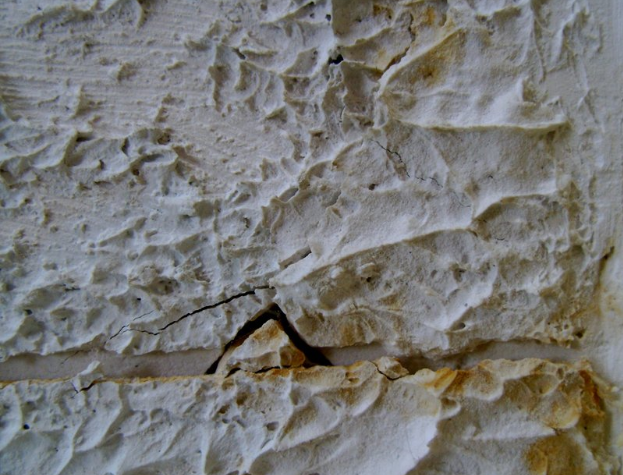
Small, isolated drywall cracks can result from normal shrinkage, but location and progression matter. Cracks that widen, reappear after patching, run diagonally from the corners of doors or windows, or continue through masonry deserve closer observation. Stair-step cracks in brickwork may indicate movement in the supporting wall.
Interior symptoms can include doors that drag, windows that suddenly stick, floors that feel sloped, and trim separating from walls. A gap beneath baseboards or between a countertop and backsplash may also reflect movement, although changes in humidity and ordinary building shrinkage can produce similar signs.
Record the date, location, and approximate width of suspicious cracks. A simple ruler or crack-monitoring gauge can show whether a defect is stable or changing. Look for related exterior evidence, such as separated mortar joints, leaning porches, or gaps where walls meet steps. A structural engineer or qualified foundation professional should assess progressive or substantial movement.
Compare Protection Methods
Different foundation types and site conditions call for different maintenance priorities. A slab-on-grade home may show cracked tile or uneven flooring when soil shifts, while a basement or crawl-space structure may reveal wall cracks, dampness, or movement at the sill plate. The right response begins with identifying the cause rather than covering the symptom.
The options below are general measures, not substitutes for a site evaluation. Drainage improvements should usually come before expensive stabilization because adding piers or underpinning will not correct ongoing water problems.
| Measure | Primary purpose | Best use | Important caution |
|---|---|---|---|
| Gutter and downspout maintenance | Reduces concentrated runoff | Homes with roof water near walls | Check discharge points after heavy rain |
| Surface grading | Moves rainwater away | Yards with low spots or flat soil | Preserve siding and drainage clearances |
| Plumbing leak repair | Prevents soil erosion or saturation | Areas near bathrooms, kitchens, or slabs | Monitor water bills and damp flooring |
| Root and irrigation management | Limits moisture swings | Properties with mature landscaping | Avoid removing large trees abruptly |
| Pier or underpinning systems | Stabilizes confirmed movement | Foundations with documented structural settlement | Require professional design and installation |
Foundation repair methods should be chosen only after the movement pattern is understood. A contractor may recommend helical or push piers, slab leveling, drainage work, or soil correction depending on the structure and subsurface conditions. Be cautious of guarantees based solely on photographs or a quick visual inspection.
Manage Trees and Landscaping
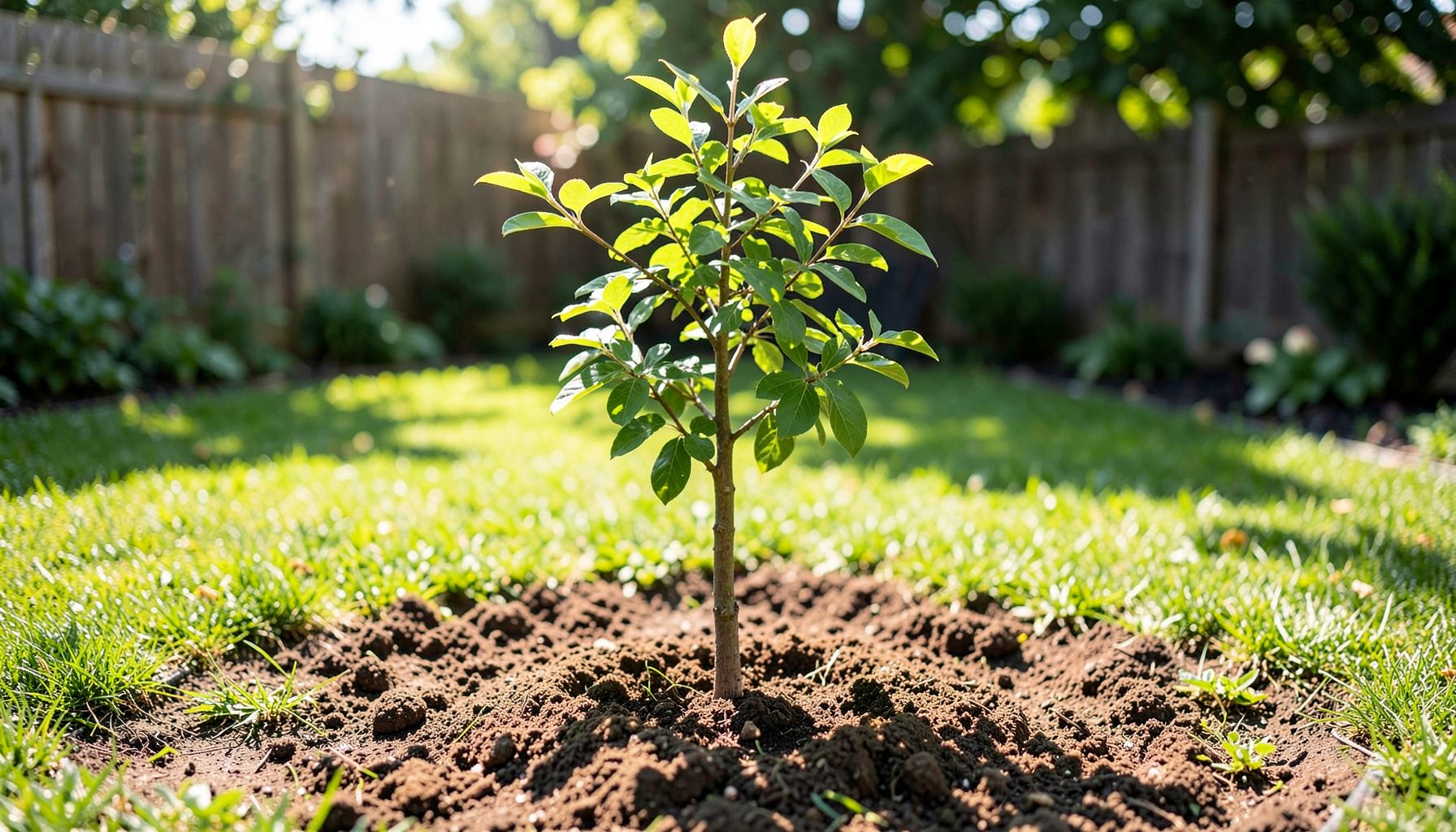
Tree roots do not usually punch through sound foundation walls, but large trees can influence soil moisture. Roots draw water from the surrounding ground, and their effects may be most noticeable in expansive clay soils during drought. A mature tree close to the house can contribute to uneven moisture conditions, especially when combined with poor drainage.
Do not remove a large tree suddenly without considering how the soil may respond. Decomposition of major roots and a rapid change in water use can affect ground moisture. Consult an arborist and, when foundation movement is suspected, obtain advice from a qualified foundation specialist before making major landscaping decisions.
Choose plants with mature size and water needs in mind. Keep aggressive roots away from buried utilities, retaining walls, and drainage lines. Maintain mulch at a sensible depth and keep it below siding and weep holes so it does not trap moisture against the structure. Trees, shrubs, and garden beds should be monitored after storms and during extended dry periods.
Build a Seasonal Inspection Routine
A home inspection routine works best when it follows weather patterns. In spring, examine gutters, downspouts, grading, crawl spaces, and exposed foundation walls for evidence of winter damage. After intense rain, walk the perimeter to find ponding, eroded soil, or water flowing toward the house.
During summer drought, check for newly opened soil gaps, stressed vegetation, and changes in doors or windows. In autumn, remove leaves from drainage routes and inspect exterior sealants. Before periods of freezing weather, repair leaks and confirm that water cannot collect near vulnerable masonry or entrances.
Homeowners can use this short maintenance checklist:
- Walk the foundation perimeter after heavy rain and note standing water or washed-out soil.
- Test gutters and downspouts with a hose, checking for leaks and safe discharge.
- Inspect crawl spaces, basements, and utility areas for dampness, mold odors, or plumbing leaks.
- Photograph and measure new cracks instead of filling them immediately.
- Review tree, shrub, and irrigation placement as plants mature.
Consistent records make it easier to separate seasonal changes from continuing structural movement. If several warning signs appear together, arrange an evaluation rather than relying on cosmetic repairs such as patching drywall or sealing masonry.
Know When to Seek Professional Help
Immediate attention is appropriate when a foundation wall is bowing, a crack is rapidly widening, a section of floor has dropped noticeably, or water is entering through a structural joint. A professional can investigate soil conditions, drainage, plumbing, framing, and the foundation itself. This broader diagnosis helps prevent an unnecessary repair that leaves the underlying cause untouched.
Get written explanations of the observed movement, the proposed remedy, drainage requirements, and any monitoring period. Compare more than one qualified opinion when major stabilization work is recommended, and verify licensing, insurance, references, and warranty terms where applicable. Information about the purpose and scope of the site’s homeowner guidance is available in its site information.
Protecting a foundation is an ongoing process of moisture control, landscape management, careful observation, and timely repair. Start with the basics: keep water moving away, correct leaks, document changes, and arrange a professional assessment when symptoms progress. A few minutes of inspection each season can help preserve level floors, tight openings, and dependable support beneath the home.