

How to keep your home's basement dry during heavy rain
A basement can remain dry through severe weather when water is managed before it reaches the foundation. The most effective approach combines roof drainage, grading, foundation inspection, sump pump maintenance, and quick action after a storm. Small issues that seem harmless during a light shower can become serious sources of basement flooding when the ground is saturated.
Moisture control also protects stored belongings, flooring, drywall, insulation, and indoor air quality. Persistent dampness can encourage mold growth and create musty odors, while repeated seepage may weaken finishes and damage electrical components. A seasonal inspection gives homeowners time to correct vulnerabilities before the next heavy rain.
The right solution depends on where water is entering. Rain may come through cracks, rise through a floor drain, collect beside the foundation, or enter around windows and utility penetrations. Finding the route first makes repairs more targeted and helps prevent unnecessary expense.
Start with roof drainage and grading
Gutters and downspouts are the first line of defense against rainwater around a house. Clear leaves, pine needles, and roof grit from the gutters at least twice a year and inspect them after major storms. A gutter that overflows beside the foundation can send a surprising volume of water into the soil next to basement walls.
Downspouts should discharge several feet away from the foundation, preferably onto a stable surface that slopes away from the home. Extensions, splash blocks, or buried drain lines can help direct runoff safely. Check that the soil around the house falls away from the foundation rather than forming a low area where water can pool.
Look closely at roof valleys, flashing, and joints where additions meet the original structure. A leak above the basement may travel inside walls before becoming visible. Keeping gutters functional and roof drainage clear reduces pressure on every other waterproofing measure.
Inspect walls, floors, and basement windows
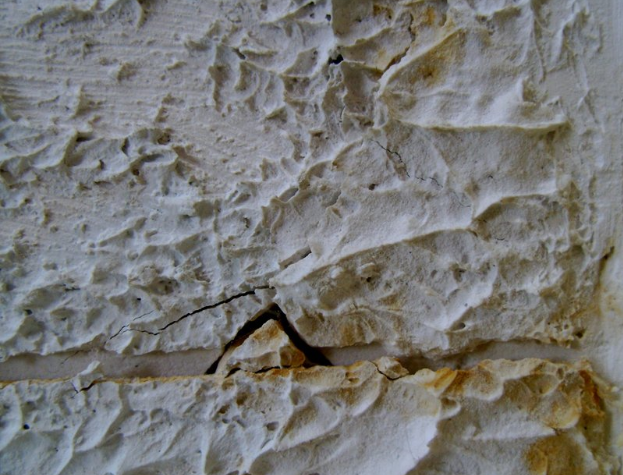
Walk around the basement after heavy rain and look for damp spots, white mineral deposits, peeling paint, swollen trim, or darkened concrete. A chalky residue called efflorescence often indicates that water has been moving through masonry. Marking the location and date of each wet area can reveal whether the problem is growing or limited to one event.
Hairline cracks in poured concrete may be minor, but wider cracks, stair-step cracks in masonry, or cracks that change over time deserve careful attention. Do not cover active seepage with paint or paneling before identifying its source. Hydraulic cement or an interior sealant may help with certain small leaks, while significant movement or recurring water may require a foundation professional.
Basement windows are frequent entry points because their wells collect runoff. Remove leaves and soil from the wells, confirm that drains are open, and check the window seals. Clear covers can reduce direct rainfall while still allowing light into the room. For guidance on related water problems inside the house, review these leaky pipe warning signs before assuming every wet spot comes from outside.
Keep sump pumps ready for peak rainfall
A sump pump removes water collected in a drainage basin beneath or beside the basement floor. Test the primary pump by slowly pouring water into the pit until the float activates. The motor should start promptly, discharge water outdoors, and shut off without unusual grinding, rattling, or repeated cycling.
The discharge pipe must carry water away from the foundation and should have a secure connection. A clogged outlet, frozen section, or disconnected fitting can send pumped water straight back toward the basement. Install a check valve where appropriate to prevent water in the line from flowing back into the pit.
A battery backup or secondary pump is valuable when storms cause power failures. Keep the pit covered if possible to reduce humidity and prevent debris from interfering with the float. If the pump runs constantly during ordinary rain, treat that as a warning that drainage capacity, groundwater pressure, or the pump itself needs further evaluation.
| Basement moisture source | Early warning sign | Practical prevention |
|---|---|---|
| Overflowing gutters | Soil erosion or puddles beside walls | Clean gutters and extend downspouts |
| Foundation cracks | Damp lines, efflorescence, or peeling paint | Monitor cracks and seal suitable minor leaks |
| Window wells | Standing water or wet window frames | Clear drains and add properly fitted covers |
| Sump pump failure | High water in the pit or silent motor | Test regularly and maintain backup power |
| Plumbing leaks | Localized wetness near pipes or fixtures | Inspect connections and repair drips promptly |
| High indoor humidity | Condensation, musty odor, or mold spots | Use ventilation or a dehumidifier |
Control indoor humidity and condensation
Not every basement moisture problem comes from rain. Warm, humid air can condense on cool concrete walls, pipes, ducts, and windows, making the room feel damp even when the foundation is sound. Use a hygrometer to monitor relative humidity, aiming generally for a level below 60 percent and preferably closer to 30–50 percent.
A dehumidifier can remove moisture, but it needs proper maintenance. Clean its filter, empty the collection bucket, and inspect the drain hose for kinks or blockages. Choose a unit rated for the basement’s size, and make sure it can operate safely without obstructing walkways or overheating.
Avoid drying wet laundry in the basement unless ventilation is strong. Keep furniture and storage containers slightly away from exterior walls so air can circulate. After a small spill or leak, dry carpeting, padding, and subfloor materials promptly; homeowners can find additional carpet cleaning guidance when water affects floor coverings.
Protect drains and plumbing before storms
Floor drains, laundry sinks, and basement plumbing should be checked before periods of heavy rain. Remove visible debris from drain grates and confirm that water flows freely. A slow drain can overflow when groundwater or municipal systems place extra pressure on the plumbing network.
If the basement has a backwater valve, inspect it according to the manufacturer’s instructions and keep the access area clear. Some homes benefit from a sewage ejector pump or a properly installed backflow prevention system, especially where backups have occurred before. These systems require specific maintenance and should not be modified casually.
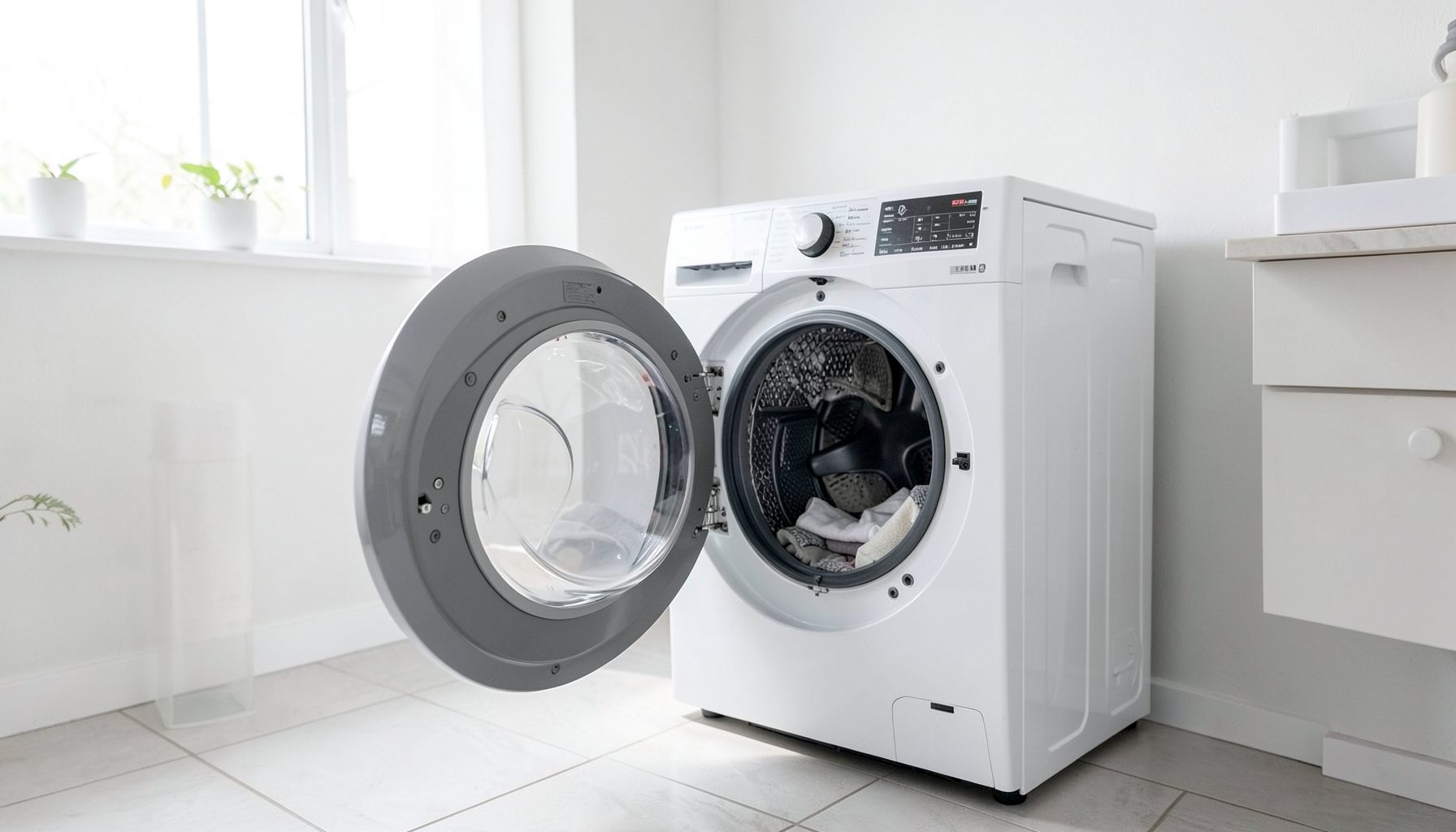
Examine washing machine hoses, water heater connections, shutoff valves, and exposed supply lines. Replace cracked hoses and repair small drips before they combine with storm-related moisture. Know where the main water shutoff is located, and ensure every household member can reach it quickly.
Prepare a response plan before the next storm
A basement flood is easier to manage when essential supplies are ready. Keep a wet-dry vacuum, buckets, towels, rubber gloves, a flashlight, spare batteries, and a moisture meter in an accessible location above the basement floor. Store important documents, electronics, and irreplaceable items in sealed containers on shelving rather than directly on concrete.
Before a major weather system arrives, move boxes away from walls and elevate valuable belongings. Unplug electrical equipment only if the area is dry and it is safe to do so. Never enter standing water near outlets, appliances, or a furnace; electricity and contaminated water create serious hazards.
After rainfall ends, photograph damage before cleanup and contact the appropriate insurer or qualified contractor when needed. Remove wet materials promptly, but avoid disturbing mold-contaminated surfaces without suitable protection. Local homeowner education resources and home maintenance events can also provide useful seasonal reminders for inspecting drainage and moisture risks.
Prioritize these basement moisture checks
A simple routine prevents many emergency repairs. Schedule a visual inspection in spring and fall, then repeat key checks after unusually intense storms. Pay special attention to changes: a new odor, a pump that runs longer, a gutter that sags, or a wall mark that expands may signal a developing problem.
Use this practical checklist:
- Clean gutters and confirm that downspouts discharge well away from the foundation.
- Inspect window wells, foundation walls, floor drains, and exposed plumbing for moisture.
- Test the sump pump, check its discharge line, and verify backup power.
- Measure indoor humidity and run a maintained dehumidifier when necessary.
- Keep valuables elevated, document previous leaks, and prepare basic cleanup supplies.
A dry basement begins outside the foundation and continues with regular indoor monitoring. Walk the property before the next forecasted storm, correct simple drainage issues, and arrange qualified evaluation for structural cracks, recurring seepage, or unsafe electrical conditions. These steps can reduce water damage, protect your belongings, and make heavy rain far less disruptive to your home.