How to Keep Mosquitoes from Breeding in Yard Containers
A few centimetres of still water can become a mosquito nursery within days. Plant saucers, buckets, children’s toys, blocked pots and neglected rainwater containers all collect enough water for female mosquitoes to lay eggs. Warm weather speeds up the cycle, so a quiet corner of the garden can produce a steady stream of mozzies before you notice the problem.
This is especially important in Australian yards, where heavy summer storms can be followed by hot, humid conditions. Brisbane and Sydney gardens may collect water after coastal rain, while Darwin and the Top End face intense mosquito activity during the wet season. In parts of north Queensland, mosquito management also matters because locally acquired dengue outbreaks can occur.
The most reliable approach is routine source reduction: remove standing water, cover containers, scrub surfaces and make sure water cannot return. Repellent and insect screens can help protect people, but they do not deal with the breeding site itself. A short inspection each week is usually more effective than waiting until adult mosquitoes are everywhere.
Inspect Every Container After Rain
Walk around the yard after rain and check anything that can hold water. Common sources include pot saucers, watering cans, wheelbarrows, tarpaulins, bins, buckets, children’s toys, outdoor furniture covers and folded inflatable pools. A bottle cap or leaf-filled gutter may seem insignificant, yet several small containers close to the house can support a surprisingly large number of larvae.
Tip out the water and empty the container completely. Do not simply move it to a shaded spot, because shade often keeps water cooler and allows it to remain for longer. Turn buckets and toys upside down, stand wheelbarrows on their sides and store hoses so they do not form low loops that trap water.
Make container checks part of a regular Saturday garden routine, particularly from November through April. In the wet tropics, inspect more frequently after storms. In drier areas such as Perth or inland New South Wales, a single thunderstorm can still create temporary breeding pools in objects that have been dry for months.
Manage Plant Pots and Saucers
Plant pots are among the most overlooked mosquito breeding sites. Saucers beneath pots catch irrigation water, and dense foliage can hide them from view. Empty saucers after watering or rain, and consider removing them where the plant can safely drain without damaging a deck, balcony or paved surface.
For plants that need a saucer, fill the space with coarse sand so water drains through without leaving an open pool. You can also use pot feet to lift containers above the surface and improve airflow. Check decorative planters, self-watering pots and bromeliads carefully, since their reservoirs and leaf bases may retain water.
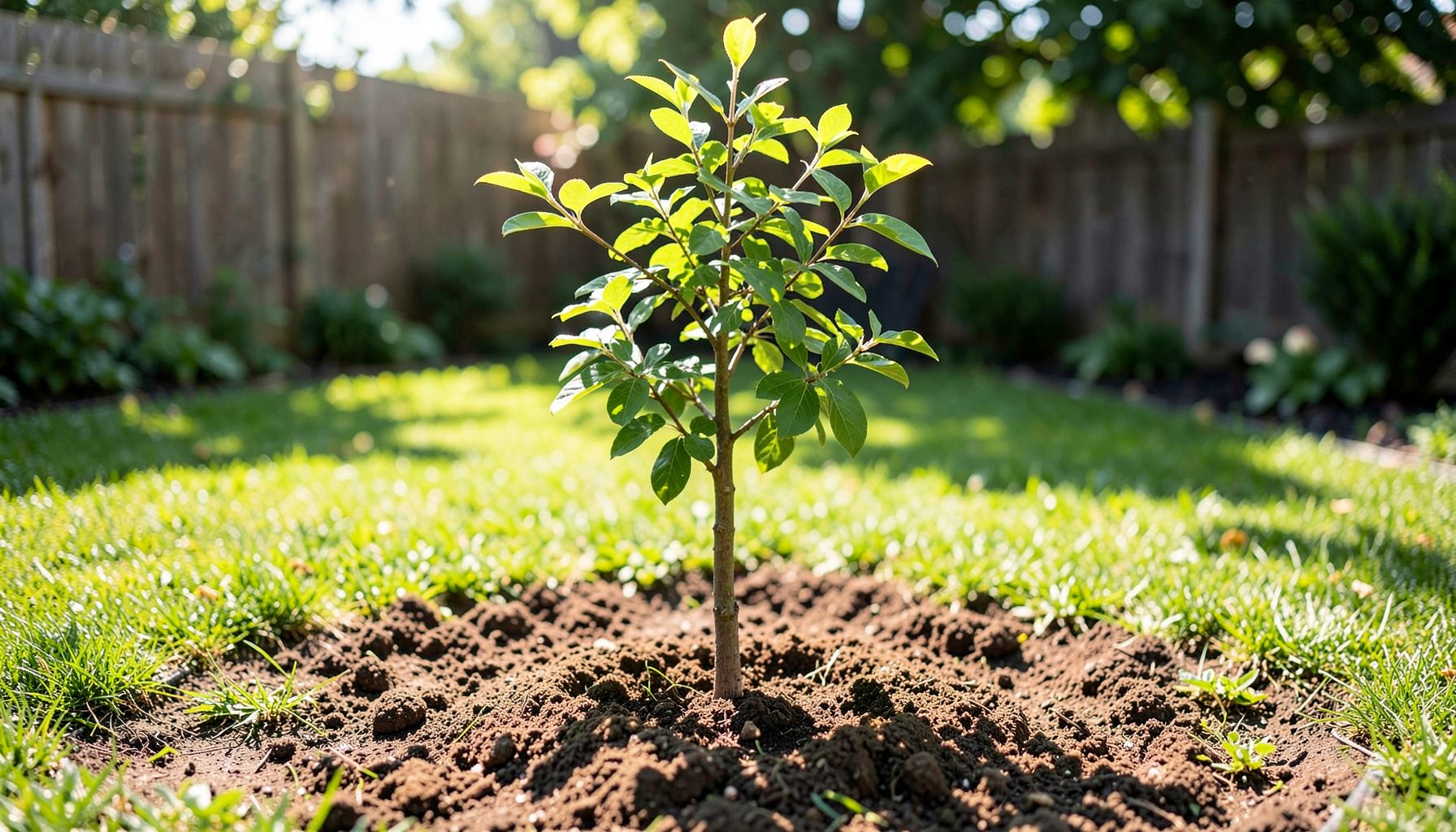
When moving a tree or large shrub, consider how its new position will affect drainage and container storage. This tree planting guidance is useful when planning a garden change, especially where roots, shade and water flow may alter existing damp areas around pots and paving.
Cover Tanks, Barrels and Stored Water
Rainwater tanks, slimline tanks and water barrels need secure, mosquito-proof covers. A lid that is cracked, loosely fitted or separated from the rim can leave a narrow opening for adult mosquitoes. Inspect overflow points, inlet screens and access hatches, because these are common gaps even when the main lid appears sound.
Use fine mesh on inlets and overflows, and repair damaged screens promptly. Keep gutters clear so water reaches the tank instead of pooling along the roofline. If a rain barrel is used for the garden, drain it regularly or fit a purpose-made cover rather than relying on a sheet of plastic tied over the top.
Some Australian households collect water because of local water restrictions, while others use tanks as part of normal rural or suburban living. Stored water is useful, but it needs the same attention as any other container. A monthly tank check is sensible, with extra inspections after strong winds, storms or maintenance work.
Improve Drainage Around the Yard
Mosquitoes can breed in more than obvious containers. Blocked drains, low spots, unused ponds, clogged roof gutters and folds in pool covers may hold water for long enough to produce larvae. Look beneath outdoor taps, around air-conditioning condensate lines and beside retaining walls where runoff may collect.
Correct the cause rather than repeatedly tipping out the result. Clear leaves from drains, reshape soil where practical and replace damaged pool covers. If a low area cannot be drained, ask a licensed drainage professional or your local council about a suitable solution. Avoid filling a wet spot with random waste, as this can create hidden cavities that hold water.
Swimming pools that are maintained with correct filtration and sanitiser are generally poor breeding sites, but neglected pools can become a serious problem. Keep water circulating, maintain the recommended chemical balance and remove leaves. Small ornamental ponds should have movement from a pump, while any approved biological control should be used according to local directions.
Remove Larvae Safely and Promptly
Mosquito larvae often look like tiny wrigglers near the water’s surface. They may rise and fall when disturbed, although identification can be difficult for an untrained observer. If you find them, empty the water onto dry ground where it cannot flow into another container, then scrub the inside of the vessel to remove eggs attached above the old waterline.
Rinsing alone may leave eggs behind. A firm brush and household detergent can help clean hard, non-porous containers, followed by thorough rinsing. Never pour dirty water into a stormwater drain, creek or pond. Stormwater systems can carry contaminants into local waterways and may be regulated by councils.
For large tanks, ponds or inaccessible drains, use a licensed pest professional or seek advice from your council or state health department. Product labels matter: some larvicides are designed for specific water bodies and should not be used in drinking-water tanks, wildlife ponds or children’s play areas unless the label expressly permits it.
Reduce Mosquito Shelter Near Living Areas
Removing breeding water is the priority, but reducing adult mosquito shelter makes the yard less inviting. Trim dense vegetation near doors and outdoor seating, clear leaf litter and keep grass at a manageable height. Move stored items away from walls so air can circulate and hidden damp pockets are easier to inspect.
Use screens on doors and windows, repair holes and close doors promptly in the evening. Fans can make patios less comfortable for flying mosquitoes, and approved repellents can protect exposed skin when gardening or entertaining. Follow the label, especially for children, pregnancy and sensitive skin.
Australian councils may run seasonal mosquito-control programmes, distribute local alerts or provide guidance about stagnant water. This is particularly relevant around wetlands, mangroves and flood-prone suburbs near places such as Cairns, Townsville, Darwin and the Gold Coast. Broader home upkeep advice can also help you build container checks into ordinary maintenance rather than treating them as a once-a-year chore.
A good weekly routine is simple: empty containers, scrub their interiors, cover stored water, clear gutters and inspect after every substantial rainfall. Pay special attention to shaded corners, pot saucers and anything hidden beneath foliage.
The key point to remember is that mosquitoes need very little water and very little time. Removing standing water before larvae mature is the most practical way to keep your yard from becoming a breeding ground.