How to Keep Ants Out of Your Pantry for Good
Ants can find a pantry through gaps that are almost invisible to people. A sweet spill beneath a jam jar, an open packet of cereal or a damp patch near the sink may provide enough food and moisture to establish a regular trail. Once scout ants locate a reliable source, others follow their chemical scent path.
Australian homes face different ant pressures depending on the region. Humid conditions in Brisbane and coastal Queensland can encourage activity around kitchens, while hot weather in Perth and dry inland areas may drive ants indoors seeking water. In cooler parts of Melbourne, Canberra and the alpine regions, they may become less visible in winter but return when indoor heating and stored food create favourable conditions.
A lasting solution combines hygiene, storage, exclusion and carefully chosen bait. Spraying visible ants may remove the workers you can see, but it often leaves the nest untouched. The more useful goal is to remove attractants and interrupt the route between the colony and your pantry.
Find The Entry Route
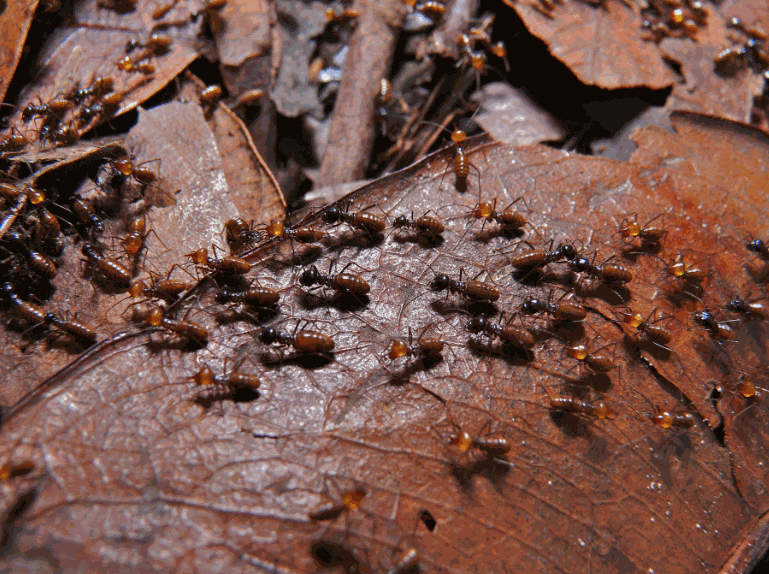
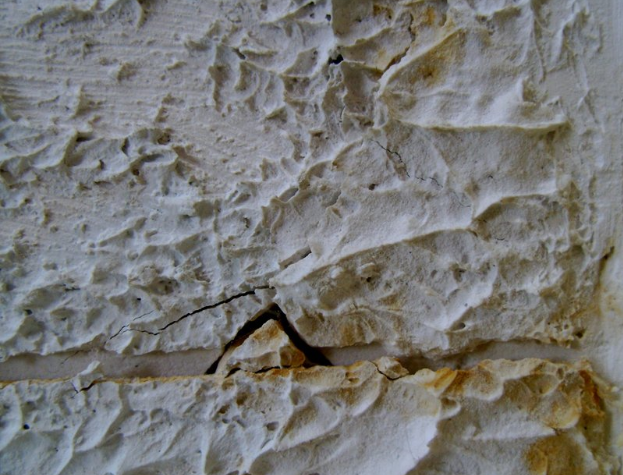
Start by watching where ants travel rather than wiping them away immediately. Follow the line along skirting boards, benchtops, cupboard corners, window frames and plumbing penetrations. A trail may lead to a tiny crack in mortar, a gap beneath a door or a space where a pipe enters the wall.
Inspect the pantry during daylight and again after dark, when some species are more active. Check behind kickboards, under appliances and around the sink cabinet. If the trail disappears at a window or door, inspect the seals and flyscreen frame; advice on fixing a stuck window can also help when poor movement or damaged edges leave gaps around the frame.
Remove Food And Moisture
Empty the affected cupboard and clean every shelf with warm water and a mild detergent. Pay attention to sticky residue beneath honey, golden syrup, cordial, pet treats and spice jars. Vacuuming crumbs from shelf joints and cupboard corners is useful because ants can feed on particles too small to notice during a quick wipe.
Dry the area thoroughly before replacing anything. Repair dripping taps, wipe condensation from pipes and avoid leaving wet cloths beside the sink overnight. In humid Queensland kitchens, ventilation and a working exhaust fan can make a noticeable difference because moisture gives ants another reason to remain indoors.
Store Pantry Goods Securely
Transfer sugar, flour, rice, cereal, biscuits and dried fruit into rigid containers with tight-fitting lids. Resealable plastic bags are better than opened cardboard, but hard plastic or glass containers provide a more dependable barrier. Clean the outside of containers before placing them back in the cupboard, especially after handling syrup or oil.
Keep frequently used sweet foods away from the edge of shelves and store pet food in sealed tubs. Do not assume an unopened packet is protected: ants can enter through tiny folds or weak seams. In Australian homes, bulk purchases from supermarkets or warehouse stores should be divided into clean containers rather than stored in partly open bags for months.
Break The Scent Trail
After food has been removed, wash the ant route with detergent and water. This helps eliminate pheromones that guide other workers to the same place. Repeat the cleaning if ants return, as a single pass may not remove residue from textured surfaces, cupboard joins or porous grout.
Avoid using strong sprays along a route if you plan to use bait there. Repellent chemicals can cause ants to avoid the bait or divert the trail to another cupboard. Instead, clean the surface, let it dry and observe whether ants reappear. A temporary line of removable tape can help mark the route while you locate the access point.
Seal Gaps Around The Kitchen
Use an appropriate, paintable sealant for small cracks around skirting boards, benchtop joins and cupboard edges. For larger openings around pipes or cables, use a suitable filler or have the area assessed rather than forcing household caulk into a deep void. Door sweeps and intact flyscreens also reduce access from patios and gardens.
Check outdoor conditions near the kitchen wall. Overgrown plants touching the building, damp mulch, leaking irrigation and full gutters can create bridges or nesting areas. Ants commonly enter from garden beds, so trimming vegetation and keeping stored timber or cardboard away from external walls can support indoor control.
Use Baits Carefully
Ant baits work because worker ants carry the food back to the nest. Place the product beside an active trail, following the Australian label instructions and keeping it inaccessible to children and pets. Different species prefer different bait formulations, so a product that works well for sugar ants may be less effective for another household species.
Do not disturb the bait while ants are feeding, even if activity appears to increase at first. That traffic may indicate that the bait is being collected. Avoid placing insecticide near food preparation surfaces, and never transfer bait into unlabelled containers. Products sold in Australia should be used only for the purpose and application stated on the label.
Prevent A New Infestation
Keep a simple weekly routine: wipe pantry shelves, sweep beneath appliances, empty the kitchen bin regularly and check open packets before storing them. Clean recycling containers before placing them indoors, particularly cans and bottles that held soft drink, juice or beer. These small habits remove the food odours that attract scouting ants.
Outside, correct sources of water and shelter near the kitchen. Fix leaking hoses, improve drainage around paving and move compost bins away from doors where practical. If you live in a flat or rental property, ants may be travelling through shared walls or service ducts, so record where trails appear and report recurring activity to the property manager.
Know When To Escalate
A few ants after a spilled drink do not necessarily indicate a nest inside the house. Persistent trails, winged ants, piles of discarded wings, fine soil near walls or activity emerging from electrical fittings deserve closer attention. Carpenter ants and other wood-associated species may point to damp timber or a building maintenance issue rather than a simple pantry problem.
Professional pest advice is sensible when baiting has failed, ants appear in several rooms or the colony is inaccessible. Do not drill into walls or apply chemicals around power points. If cold-weather maintenance is relevant in a high-country home, guidance on protecting pipes from freezing is a reminder that prevention around building penetrations and service areas can protect against several household problems at once.
A clean, dry pantry with sealed food containers gives ants fewer reasons to return. The most effective approach is to follow the trail, remove its food and water sources, eliminate the scent, close the entry gap and use labelled bait only when appropriate. Begin by emptying one affected cupboard today, washing its shelves and placing every opened dry good into a sealed container.