


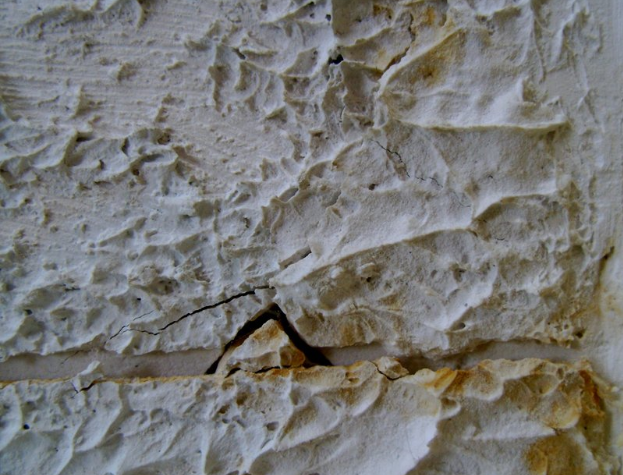
A Practical Guide to Checking Foundation Cracks
Your home’s foundation supports every wall, floor, and roof surface above it. Small cracks can result from normal concrete shrinkage, seasonal movement, or settling, while wider or changing cracks may indicate drainage problems, soil pressure, or structural movement. A careful inspection helps you recognize the difference before a minor concern becomes expensive damage.
Foundation checks do not require specialized equipment. A flashlight, tape measure, camera, pencil, and a simple inspection log are usually enough for an initial review. Examine both the exterior and interior, because a crack that looks minor on one side may reveal moisture or displacement elsewhere.
Choose a dry day for the outside inspection, then repeat the process after heavy rain if possible. Water flow, soil saturation, and changes in humidity can make certain problems easier to identify.
Start With The Exterior
Walk slowly around the entire foundation perimeter. Look at exposed concrete, masonry blocks, brick veneer, crawl-space walls, and areas where additions meet the original structure. Pay attention to vertical, horizontal, diagonal, and stair-step cracks, recording their location rather than relying on memory.
A narrow, straight vertical crack in poured concrete is often associated with shrinkage or ordinary settlement. Cracks that widen toward the top or bottom deserve closer attention. Horizontal cracks in basement or retaining walls can be more concerning because they may reflect lateral soil pressure.
Inspect the surrounding ground as well. Soil should generally slope away from the home, and downspouts should discharge several feet from the foundation. Pooling water, eroded soil, clogged gutters, or persistently damp areas can place additional pressure on foundation walls. Yard drainage also affects insect activity, so these mosquito control tips can be useful when standing water is part of the problem.
Read The Shape And Pattern
The pattern often tells you more than the crack’s mere presence. Vertical cracks may follow concrete shrinkage or modest settlement, while diagonal cracks near doors and windows can indicate uneven movement. Stair-step cracks through brick or block mortar joints may point to differential settlement, particularly when they appear alongside sticking doors or sloping floors.
Look for displacement as well as gaps. Run your fingers lightly across both sides of a crack to see whether one surface is higher, lower, or pushed outward. A crack that has no visible offset may be less urgent than one accompanied by bulging, leaning, or separation.
Check nearby finishes for related signs. Broken tile, gaps between walls and ceilings, torn wallpaper, and trim that pulls away from a surface may indicate movement inside the structure. None of these observations proves a structural failure by itself, but several signs occurring together justify professional evaluation.
Inspect Basement And Crawl-Space Areas
Inside the home, examine basement walls, floor slabs, crawl-space piers, and the underside of floor framing. Use a bright flashlight to look for damp spots, efflorescence, peeling paint, rusted metal, mold-like growth, or a musty odor. White, powdery deposits on masonry often indicate that moisture has moved through the wall and evaporated.
Mark the ends of a crack with a pencil and write the date beside it. Measure its widest point with a ruler or crack gauge, then photograph it with a nearby object for scale. Repeat the measurement after several weeks and after significant rainfall. A record helps distinguish a stable cosmetic crack from one that is expanding.
Do not overlook moisture sources inside the home. Leaking plumbing, condensation, poor ventilation, and appliance problems can make a foundation area appear worse than it is. If a utility area has unusual dampness near a dryer, this dryer repair guide may help identify a related appliance issue before moisture is blamed entirely on the foundation.
| Observation | Possible meaning | Recommended response |
|---|---|---|
| Very narrow vertical crack with no dampness | Concrete shrinkage or minor settlement | Photograph, measure, and monitor |
| Stair-step crack in block or brick | Uneven settlement or masonry movement | Inspect drainage and arrange an evaluation if it grows |
| Horizontal basement-wall crack | Soil pressure or wall movement | Seek professional advice promptly |
| Crack with water staining or efflorescence | Moisture intrusion | Improve drainage and investigate waterproofing needs |
| Crack with displaced surfaces or bulging | Possible structural movement | Limit further disturbance and obtain an urgent assessment |
| Several cracks with sticking doors or sloping floors | Broader settlement or shifting | Arrange a qualified structural inspection |
Check Drainage And Exterior Water Control
Many foundation concerns begin with water management rather than concrete itself. Clean gutters and downspouts, extend discharge points away from the house, and inspect splash blocks for erosion. If a downspout empties beside a cracked wall, correct that condition before deciding whether the crack is worsening.
Examine window wells, plumbing penetrations, hose bibs, irrigation lines, and air-conditioning condensate outlets. These features can concentrate water in one location. Vegetation can also hide cracks or keep soil unusually damp, so trim plants enough to maintain a clear view of the foundation.
After a storm, walk the perimeter again. Look for puddles, muddy soil, new channels, or water flowing toward the house. Persistent wetness may require grading changes, a drainage system, sump-pump maintenance, or waterproofing work. Avoid simply filling a crack before addressing the water source, since the opening may return.
Know When A Crack Needs Prompt Attention
A crack deserves prompt professional review when it is wider than a hairline, grows noticeably, shows displacement, or appears with bowing walls. Horizontal cracks, diagonal cracks extending from corners, and stair-step cracks that continue across multiple courses of masonry should receive particular attention.
Other warning signs include doors and windows that suddenly stick, floors that slope, ceilings that separate from walls, or gaps that appear around cabinets and trim. Water entering through a crack, especially after ordinary rainfall, also warrants timely investigation because prolonged moisture can damage finishes, framing, insulation, and indoor air quality.
Do not widen, seal, or excavate around a suspicious crack before documenting it. Cosmetic patching can conceal evidence that an inspector needs to see. A qualified foundation specialist or structural engineer can determine whether the issue involves settlement, expansive soil, drainage, wall pressure, or a different building condition.
Make Foundation Checks A Routine Task
A foundation inspection works best as part of regular home maintenance rather than a one-time response to a visible problem. Review the exterior in spring and fall, after unusually wet weather, and before buying or selling a home. Keep photographs, measurements, repair invoices, and notes together so changes are easy to compare.
Use this short routine during each inspection:
- Walk the full exterior and photograph every visible crack.
- Measure openings and note any change in width, length, or displacement.
- Confirm gutters, downspouts, grading, and irrigation are directing water away.
- Inspect basements and crawl spaces for dampness, odors, stains, and efflorescence.
- Record sticking doors, sloping floors, or new gaps near walls and ceilings.
Seasonal reminders can make routine checks easier to remember. Local homeowners may also find useful timing information through community events and updates, especially when planning broader property maintenance.
A careful inspection does not replace expert diagnosis, but it gives you clear evidence and helps prioritize action. Photograph the condition today, correct obvious drainage problems, and arrange a professional assessment promptly if cracks are growing, displaced, wet, or accompanied by changes inside the home.