
Spotting termite mud tubes on Australian home foundations
Termites are a fact of life for property owners across Australia, and recognising the early signs of an infestation can spare you a six-figure repair bill later. In Australian trade circles, the colloquial name "white ants" is still common, even though the entomological record corrected this long ago. The damage these insects cause is real, and mud tubes on your foundation are among the most reliable indicators that a colony is feeding on the timber framing of your home. Knowing what to look for and where to look puts you in a stronger position to act quickly.
Most Australian homes sit on concrete slabs, raised piers, or brick substructures, and all three can be exploited by subterranean termites. The most destructive is Coptotermes acinaciformis, responsible for the majority of structural damage from Perth to the eastern seaboard. These insects cannot survive in the open air, so they construct narrow earthen tunnels from the soil up into the building to maintain humidity while foraging. A typical tube is only as wide as a pencil, but finding one is easier than many homeowners expect once you know where to search.
Climate shapes your level of risk considerably. Homes in coastal Queensland, the Top End, and the Kimberley sit inside termite-pressure zones where an untreated slab can be colonised within a few years. Properties in southern capitals such as Melbourne, Hobart, or Adelaide see slower activity, although sandy soils and mulch that stay damp through summer still create favourable conditions. Identifying tubes is useful everywhere, and especially urgent in humid subtropics where colonies can go unnoticed for months.
What termite mud tubes actually are
Shelter tubes are constructed from soil, saliva, faeces, and chewed timber, drying into a hard shell that adheres to masonry, timber, and plumbing penetrations. The outer surface resembles dried mud, and a healthy tube holds its shape when scraped with a screwdriver. Tubes range from barely visible smudges to highways over a centimetre across. Their function is purely protective: workers travel between the nest and the food source inside your walls without drying out.
Different species build slightly different structures. Coptotermes tubes are usually thick and dark, running vertically up substructure walls or across slab edges. Schedorhinotermes, another east coast genus, produces thinner tubes that branch along concrete cracks. Mastotermes darwiniensis, restricted to the tropics around Darwin, creates wide ribbon-like tubes several centimetres across. All signal the same problem: a subterranean nest has a pathway into your building.
Where to scan first along your foundation
Start at the slab perimeter, focusing on the first 30 centimetres where masonry meets brickwork. Tubes often run up the inside of subfloor piers, so if you have a raised Queensland-style home, crawl underneath with a torch and inspect each pier from base to bearer level. Garage door frames, patio edges, and plumbing penetrations are favourite entry points because the concrete is thinner or the seal has cracked.
External weep holes are another weak spot, and a tube emerging from one can be easy to miss unless you crouch and look horizontally across the wall. Downpipes touching the slab, garden beds built up against the house, and timber stair stringers resting on concrete all deserve attention. In leafy suburbs such as the Dandenong foothills or the Hills District, check these spots every few months. Mud tubes tend to appear after rain or irrigation, so plan a walk-around the day after heavy watering.
Distinguishing active shelter tubes from old damage
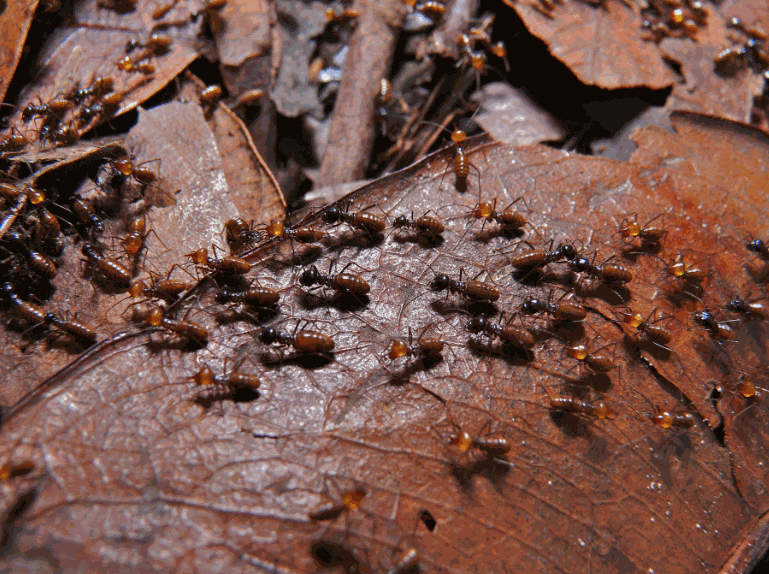
Not every tube you find is in use. Take a flathead screwdriver, break off a small section near the midpoint, and watch the gap for several minutes. If soldier termites emerge with open mandibles and pale workers scurry out to repair the damage, the line is active. If nothing happens and the tube stays dry, it is likely an old run from a previous infestation or a dead-end exploratory path.
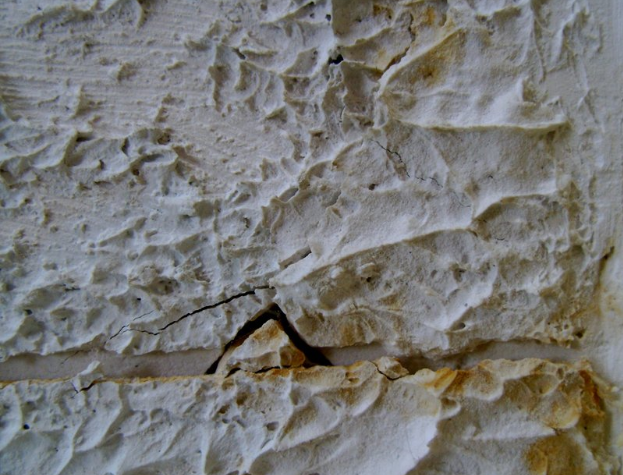
Texture also tells a story. Fresh tubes feel damp and pliable with a smooth, moist interior. Older tubes crackle, flake in powdery chunks, and look faded by ultraviolet exposure. Both warrant closer inspection of surrounding timber, because an active colony may have shifted its route after the old tube dried. If unsure, the same methodical step-by-step mindset used in garbage disposal troubleshooting will help you catch problems an initial glance misses.
Companion signs that often appear alongside tubes
Mud tubes rarely appear alone. Look for blistered paint on skirting boards, hollow-sounding timber when you tap architraves, and fine dust near door frames. Tight-fitting doors that suddenly stick, or windows that resist the latch, can indicate warped framing inside the wall cavity. Subterranean species push faecal material mixed with soil through tiny kick holes, while drywood species leave small hexagonal pellets on sills.
Outside, watch for garden mulch that has been tunnelled into, paving lifted at the slab edge, and subfloor vents with mud along their base. If you store firewood against the house, lift it periodically and check the surface resting on the slab, since a colony can move from untreated pine into your subfloor within a warm season. This is common in humid coastal suburbs north of Brisbane or inner Sydney, and most termite guides on the broader home upkeep library cover these patterns in detail.
Australian climate, seasons and how they shape the risk
The Australian Standard AS 3660.1 outlines how new buildings should be protected against termite entry, and a licensed inspector assesses your property against this benchmark during a pre-purchase pest inspection. The standard recognises that risk varies between a tropical Darwin property, a Brisbane Queenslander on stumps, and a brick veneer home in Adelaide. In the north, swarming flights happen after the first heavy rains, usually from October to January, while southern regions see flying ants emerge in late spring on warm, humid evenings.
Suburban landscaping has shifted the picture in recent decades. Drip irrigation under native gardens, composted mulch, and decorative gravel around the slab perimeter create consistently moist microclimates right next to foundations. Even in dry climates, these conditions can sustain a colony where bare soil would not. Builders install physical or chemical barriers under the slab, but these degrade over time and should be checked as part of routine maintenance, particularly for homes more than ten years old.
Why a licensed pest inspection matters
A professional inspector brings more than a torch and screwdriver. They use a moisture meter to detect elevated readings behind walls, a thermal camera to identify cooler zones inside the timber framing, and a sounding tool that reveals hollow galleries just below the surface. Their report is a legal document most conveyancers require before settlement, and forms the basis for any treatment plan. For homes in known pressure zones, an annual inspection is a sensible precaution.
If you are not yet due for a scheduled visit, keep yourself informed by browsing carpet cleaning articles that often sit alongside broader home care advice on the same site. Reading about how moisture and debris accumulate around the home sharpens your eye for the small details. When you book a formal check, ask the technician to map every tube, photograph it, and indicate on the plan whether each run is active or historical. That record becomes the baseline against which future inspections are compared, and tells you where to focus your own monitoring.
The concrete next step is to walk the perimeter of your home this weekend with a torch and a flathead screwdriver, paying particular attention to the slab edge, plumbing penetrations, and any subfloor piers you can safely access, then book a licensed inspector if you find a tube that looks fresh or cannot be confidently identified as old damage.