

How to fix a soft spot in your laminate flooring
A soft or spongy area in laminate flooring usually means the boards are moving because the surface underneath is uneven, damp, damaged or missing support. The problem may begin as a small flex underfoot, then develop into creaking, separated joints or swollen edges. Finding the cause early can prevent a larger repair and protect the subfloor.
Laminate is generally installed as a floating floor, so it relies on a firm, level base rather than adhesive across every board. That makes small subfloor faults noticeable, particularly in busy hallways, kitchens and living areas. Homeowners looking for practical guidance on household problems can also browse the home maintenance advice available online.
Find the source of the movement
Walk slowly across the affected area and mark the exact spot with removable tape. Check whether the softness occurs at one board, along a joint or across a wider section. A single flexible board may have a damaged locking edge, while a broad soft patch often points to an uneven subfloor or moisture below the laminate.
Look around nearby skirting boards, doorways, sinks, dishwashers and external walls for clues. A leaking pipe, overflowing dishwasher or damp slab can weaken the underlay and subfloor. In Queensland and northern New South Wales, high humidity can also make moisture-related flooring problems more persistent, particularly in homes with limited ventilation.
Remove furniture from the area and inspect the surface for raised seams, cupped edges, staining or a hollow sound when tapped lightly. Do not keep walking over a wet or badly distorted section, since repeated movement can damage the click-lock joints and spread the problem.
Rule out moisture before repairing
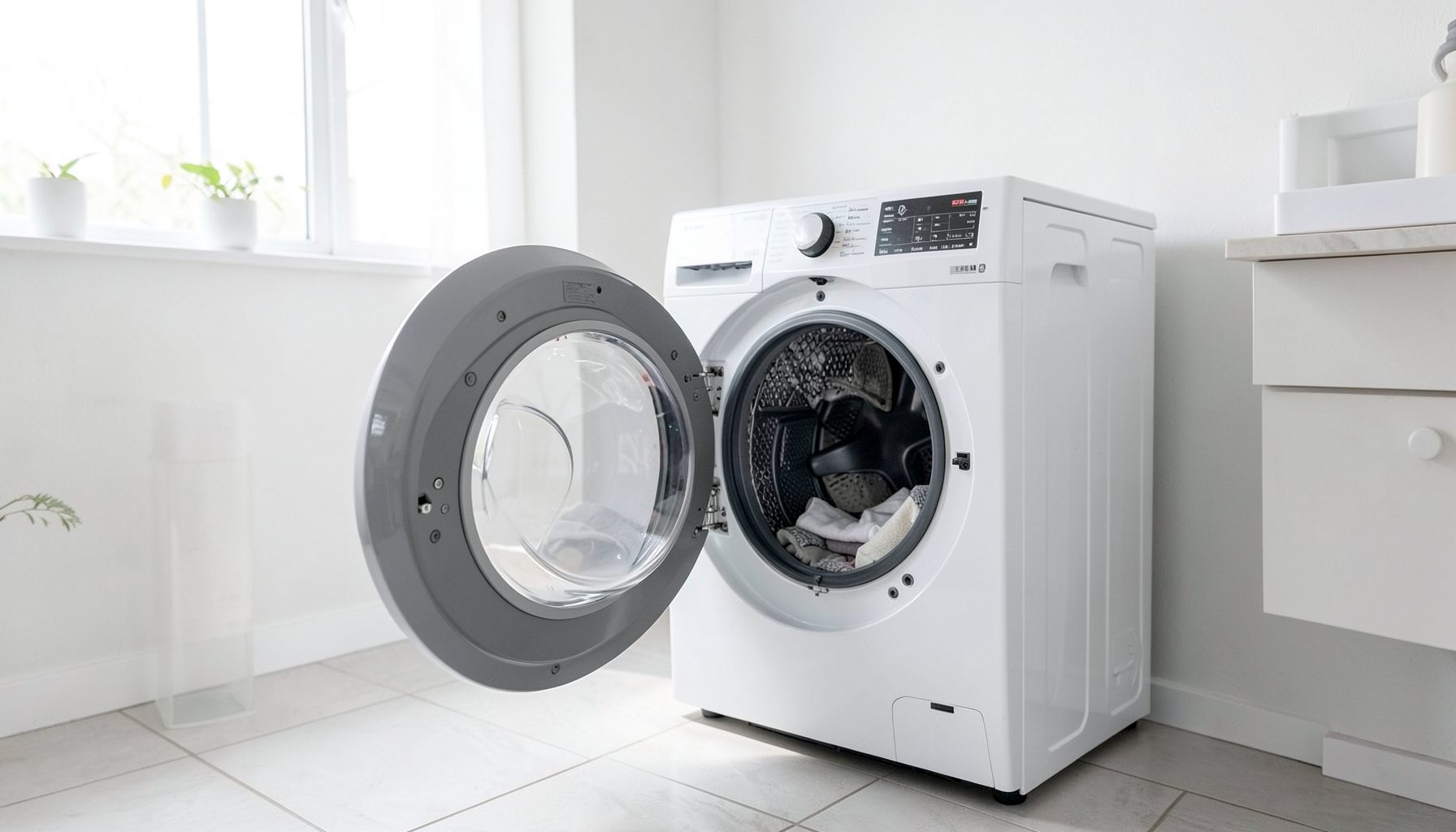
Moisture is one of the most common reasons laminate flooring becomes soft. Check plumbing connections under sinks, refrigerator water lines, washing machine hoses and dishwasher fittings. A small leak can travel underneath the boards, so the visible soft patch may not be directly above the original source. If a kitchen waste fitting is blocked or damaged, related household guidance such as clearing a jammed disposal may help you identify plumbing risks around the sink area.
If the floor is on a concrete slab, moisture may be rising from below rather than coming from a pipe. This can happen in older properties, rooms with poor drainage or areas affected by stormwater. Homes in low-lying parts of Brisbane, Cairns or coastal towns may need particularly careful checks after heavy rain or flooding.
Dry the source before lifting boards. Use fans and ventilation, but avoid directing intense heat at laminate, as sudden heating can worsen distortion. If there is a musty smell, visible mould, extensive staining or dampness that returns after drying, a flooring professional or building inspector should assess the subfloor before new boards are installed.
Prepare for a small board repair
A minor soft spot can sometimes be fixed by removing and replacing the damaged plank. First, identify the product, colour and thickness, then find a matching spare board. Keep a few extra planks after installation because older laminate ranges can be discontinued, and colour can fade slightly with sunlight.
For a floating floor, the cleanest approach is often to remove the skirting or quarter-round moulding at the nearest wall. Unclip the boards carefully in reverse order until you reach the damaged area. Label each plank as it comes out and keep the pieces clean so usable boards can be returned to their original positions.
Inspect the underlay and subfloor once the board is removed. Replace crushed or wet underlay, scrape away loose material and allow the base to dry fully. A moisture meter can help confirm whether the area is dry enough for reinstallation. Do not use extra layers of underlay to hide a dip, because excessive cushioning can make the floor flex again and may prevent the joints from locking correctly.
Level the base beneath the laminate
A small depression in a timber subfloor may be corrected with suitable flooring underlay or a properly fixed patch beneath the boards. Loose particleboard or plywood should be secured to the joists, while damaged sections need to be cut out and replaced with material of the same thickness. Screws should sit flush rather than protruding into the laminate.
For concrete, remove dust and repair minor hollows with a compatible floor levelling compound. Follow the product directions for priming, mixing and curing time. The surface must be smooth and dry before laminate returns. A long straightedge can reveal low areas that are difficult to see by eye; gaps beneath the straightedge indicate where the base needs attention.
Leave the manufacturer’s expansion gap around walls, cabinets and fixed objects. Australian temperature changes can be significant between a cool Melbourne winter and a hot summer afternoon, so a floor installed too tightly may buckle or lift. Never wedge a soft section firmly against a wall as a shortcut, since the movement may simply reappear somewhere else.
Replace boards without creating new damage
When the base is sound, install the replacement plank according to the flooring manufacturer’s instructions. Align the locking edges carefully and avoid forcing a joint at an angle. A tapping block designed for laminate can help close a stubborn seam, but hammering directly on the board may chip its edge or break the click system.
If the damaged plank is in the centre of the room and the surrounding boards cannot be removed conveniently, a skilled installer may cut out the board and fit a replacement using the approved method for that product. This requires accurate cutting and careful support at the edges. A poor repair can leave an unstable joint that catches shoes or allows moisture into the core.
After fitting, walk over the repaired area and listen for movement. Reinstall the skirting or trim without pinning the floating floor down. The trim should cover the expansion gap while allowing the boards to expand and contract naturally.
Know when replacement is the safer option
Laminate with swollen fibreboard, peeling décor, black staining or permanently distorted edges usually cannot be restored. Drying may stop further damage, but it will not return the board to its original shape. Replace affected planks and check adjoining boards, since moisture can travel beneath several rows.
A recurring soft spot may indicate a leaking pipe inside a wall, subfloor settlement, termite damage in timber supports or a broader drainage issue. Termites are a real concern in many Australian regions, including parts of Perth, Darwin and coastal Queensland. Look for mud tubes, hollow-sounding timber, discarded wings or fine frass, but arrange a professional pest inspection rather than treating structural damage as a flooring fault.
Seek help when the affected area is large, the subfloor is unsafe, mould is present or the source of moisture is uncertain. Tradies can assess the floor, plumbing and substrate together, which is often more efficient than repeatedly replacing boards. Local council information and community resources, including local events and updates, can also be useful when looking for seasonal maintenance reminders.
A soft spot is easiest to fix when the visible symptom is treated as a clue rather than the whole problem. Stop the moisture, remove enough flooring to inspect the base, restore a firm and level surface, then replace only the damaged materials. The practical takeaway is simple: never cover a spongy laminate board until you know what is moving underneath it.