How to Fix a Slow-Filling Washing Machine
A washing machine that takes too long to fill may leave clothes sitting in a half-started cycle, display an inlet error, or stop before the drum reaches its required water level. The cause is often simple, such as a partly closed tap or a blocked hose filter, but a failing valve or household plumbing problem can produce similar symptoms. Learn more about How To Clean Your Window Tracks For Smooth Operation 33398.
Most checks can be completed safely by a homeowner with the machine switched off and unplugged. Work methodically rather than replacing parts immediately, since a restricted water supply is more common than a major appliance failure.
Australian homes have a wide range of laundry arrangements. A machine may be connected beside a laundry trough in Brisbane, tucked into a kitchen cupboard in an apartment in Melbourne, or installed in an outdoor utility area in a regional property. These locations affect access, water pressure, and the amount of dust or weather exposure around the appliance.
Start With Basic Safety Checks
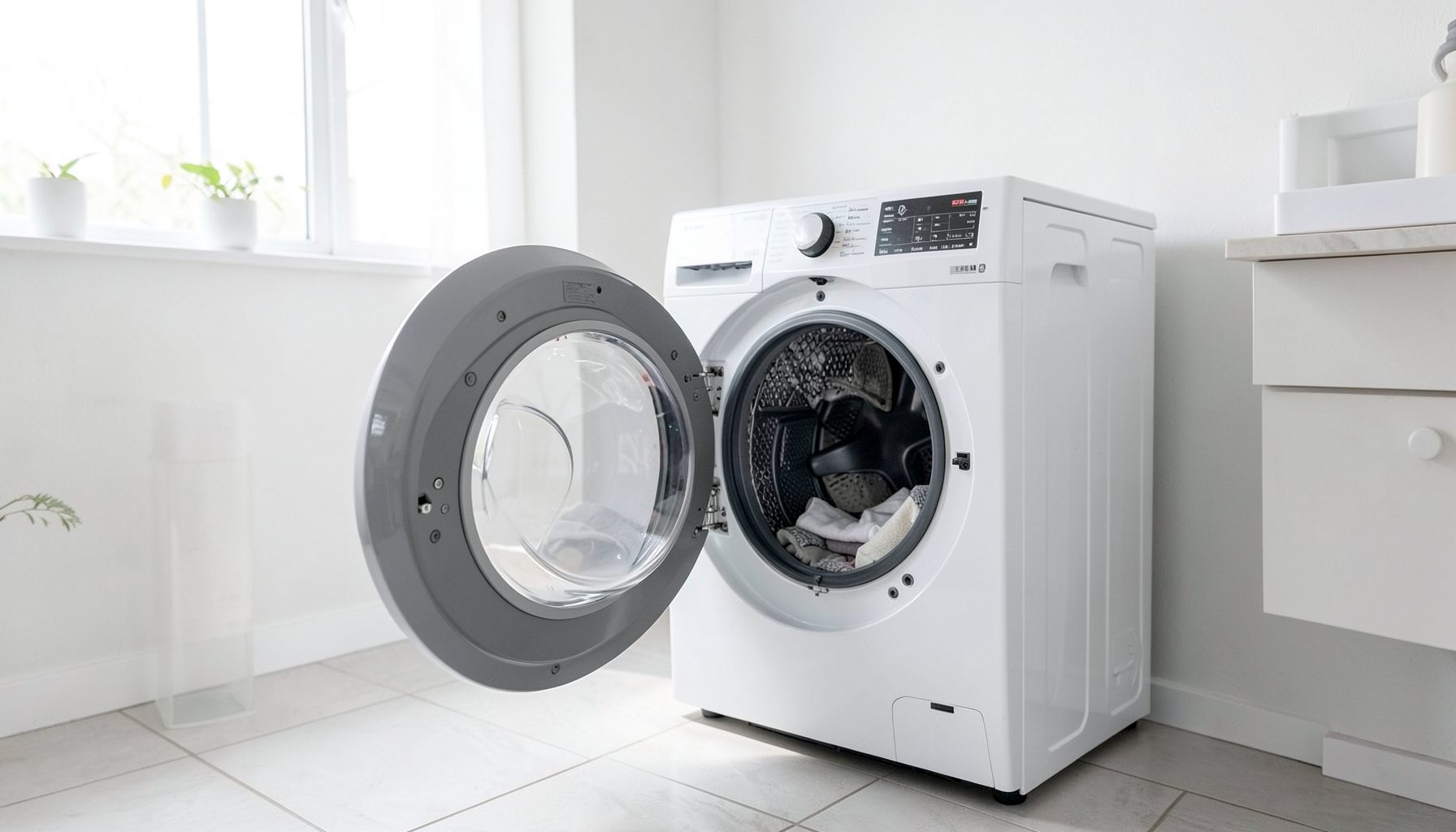
Turn the washing machine off at its controls, unplug it from the power point, and close the water tap or taps before moving hoses. If the floor is wet, keep electrical connections dry and deal with any leaking water first. Do not pull hard on a full-size front loader, as its hoses and drain connections can be strained.
Check whether the problem affects every cycle or only one programme. Some eco and low-water cycles take longer to reach their operating level, while a delayed-start setting can make the appliance appear inactive. Read the display for inlet, water tap, or supply warnings and note whether the machine eventually fills, fills slowly, or makes no attempt to draw water.
If the appliance is in a rental property or strata building, avoid altering fixed plumbing without permission. A licensed plumber may be needed where the isolation tap, wall fitting, or building supply is faulty. For a machine under warranty, record the model number and symptoms before removing any covers.
Inspect Taps, Hoses, And Water Flow
Make sure the laundry tap is fully open. A handle can feel open while its internal washer or spindle restricts flow, particularly in older homes. If the washing machine uses separate hot and cold connections, check both taps and make sure the hoses are attached to the correct inlets. Many modern Australian machines are cold-fill only, so confirm the manufacturer’s requirements before changing the connection.
Examine each hose for sharp bends, crushing, bulges, or signs of splitting. Machines pushed tightly against a wall can pinch the inlet hose when the drum spins or the appliance vibrates. Straighten the hose and leave enough clearance for the machine to move slightly during operation.
Disconnect the hose at the machine end only after the tap is closed. Place a bucket or towel underneath, then briefly check the flow from the tap into the bucket. Strong flow suggests the restriction is inside the hose or appliance; weak flow points towards the tap, pipework, or household supply. If the tap leaks at the wall or cannot be closed, stop and arrange plumbing assistance.
Clean The Inlet Filters Carefully
Many washing machines have small mesh screens where the inlet hoses screw into the appliance. These filters catch grit, rust flakes, and mineral deposits from the water supply. A partially blocked screen allows water through, but the drum may take several minutes to reach its required level.
With the hoses removed, use a torch to inspect the screens. Gently lift out a removable filter with blunt-nosed pliers, if the manufacturer permits it. Rinse it under running water and brush away deposits with a soft toothbrush. Do not poke through the mesh with a needle or screwdriver, since even a small tear can allow debris into the inlet valve.
Clean the hose washers and inspect their rubber seals before reconnecting everything by hand. Tighten the connection lightly with pliers only if needed; excessive force can damage plastic threads. Open the tap slowly and check for drips. A clean inlet filter should improve flow, but it will not correct low water pressure or a defective valve.
Check Household Pressure And Plumbing
Test the washing machine at a time when other fixtures are not using water. A noticeable drop while a shower, garden tap, or toilet cistern is operating may indicate limited supply pressure. In some older regional properties, long pipe runs, ageing galvanised pipes, or a rainwater-connected system can reduce flow to the laundry.
If the machine fills normally from one tap but slowly from another, the appliance may be sound. Compare the flow with a nearby laundry trough tap, without disconnecting pressurised plumbing. Sediment around an old tap outlet or a partially closed stop valve can create a local restriction.
Do not confuse slow filling with slow draining. If water enters at a normal rate but remains in the drum, inspect the drain hose for kinks or an incorrect installation height. For related appliance checks, this dryer troubleshooting guide offers a useful reminder that symptoms can come from several separate parts rather than one general fault.
Test The Inlet Valve And Controls
The inlet valve is an electrically operated component that opens when the control board calls for water. If the hose, tap, and filters are clear but filling remains weak, the valve may be clogged internally or failing electrically. A machine that hums or clicks while receiving little water can point towards this area, although the sound alone is not a diagnosis.
Look for a valve fault code in the manual and compare the machine’s behaviour on different temperature settings. If cold water enters normally but hot water does not, the hot-side valve, hose, or tap may be responsible. Never test live wiring with the appliance open unless you are qualified to do so.
Control boards, pressure switches, and wiring faults are best handled by an authorised appliance technician. The pressure switch tells the machine when the correct water level has been reached; a blocked air tube or inaccurate sensor can cause filling to stop too early or continue for too long. Replacing the wrong component can be expensive and may create a leak or electrical hazard.
Prevent Repeat Filling Problems
Keep the area behind the machine accessible enough to inspect hoses twice a year. Wipe away dust and detergent residue, avoid storing heavy items on hoses, and check for dampness after moving the appliance. If the laundry is exposed to Queensland humidity, coastal salt air, or winter condensation in southern cities, look for corrosion around metal fittings and taps.
Clean inlet screens when the machine is installed in an older property or after plumbing work, since nearby repairs can disturb sediment. Use the correct detergent dosage for the water hardness and machine type. Excess suds can lengthen cycles and make a filling fault appear worse, especially in front loaders.
Regular household care also helps reveal small problems before they become water damage. The practical advice collected on this home maintenance blog can sit alongside routine checks of seals, taps, windows, and appliance connections. Clean, dry surfaces make a slow leak easier to spot.
A slow-filling washer usually needs a simple inspection of the tap, hose, inlet screen, and water pressure before any part is replaced. Isolate power and water first, test one cause at a time, and involve a licensed plumber or appliance technician when the fault reaches fixed plumbing, electrical components, or an unexplained internal failure. The key point to remember is that steady water flow and safe connections are the starting point for every reliable washing machine repair.