How to create a fire-safe zone around your home
Australia's bushfire seasons have grown longer and more severe over the past decade, with record-breaking events in the Adelaide Hills, the Blue Mountains and the Perth foothills reshaping how residents approach property preparation. The Country Fire Authority and NSW Rural Fire Service both emphasise that the area immediately surrounding a home is often the single biggest factor in whether a building survives an approaching fire front. A well-planned buffer slows ember attack, reduces radiant heat and gives firefighters a safer area to defend the structure.
A defendable space is more than clearing a few leaves from the gutters. It is a layered, landscaped area that works with the local bushland rather than against it. For Australian homeowners living anywhere from Hobart's outskirts to the rural-urban fringe around Melbourne, planning that buffer before the next fire season begins is one of the most practical steps a household can take.
Australian bushfire standards and local rules
Australia operates one of the most thorough bushfire construction frameworks in the world, centred on AS 3959, the standard for construction in bushfire-prone areas. Under this standard, properties are assigned a Bushfire Attack Level (BAL) ranging from BAL-LOW to BAL-FZ (Flame Zone). The rating determines building requirements such as mesh screens on vents, sealed eaves and tougher glazing, but it also informs how the surrounding land should be managed. Councils in fire-prone shires typically overlay this with local controls, including Victoria's Bushfire Management Overlay and Queensland's Bushfire Risk Management Plans, both of which can restrict vegetation type and density on a property.
Beyond construction, state services publish practical guidelines. The NSW Rural Fire Service advocates a defendable space approach that radiates out from the home in concentric rings, while the Country Fire Authority in Victoria promotes a similar layout built around fuel reduction and access. Many councils now require property owners in designated bushfire-prone areas to maintain cleared zones and to manage vegetation along boundaries, particularly in places like the Mornington Peninsula and the Yarra Ranges, where housing meets dry sclerophyll forest.
Insurance providers have also tightened expectations. Insurers will frequently ask whether a home has an actively managed buffer when assessing premiums in postcodes flagged as high bushfire risk. Following an established standard, documenting any clearing work and keeping records of vegetation removal can smooth this process considerably.
Mapping the three layers of defendable space
The traditional approach used by Australian fire services divides the area around a home into three distinct rings. The inner zone, extending about 1.5 metres out from the walls, should be kept almost entirely free of combustible material. Garden beds with low-growing, well-irrigated succulents or mulched stone are appropriate. Stored firewood, gas bottles, outdoor furniture cushions and doormats should all be moved out of this band, because embers can ignite them long before flames arrive.
The middle zone stretches roughly out to 10 metres from the home. Here the aim is to interrupt continuous fuel. Lawns should be kept short, especially during summer, and trees should be spaced so their canopies do not touch. Climbing plants on timber pergolas should be removed or carefully maintained, and fences connecting directly to the house should be built from non-combustible materials. If existing paving has crumbled, replacing it promptly helps keep this zone tidy and reduces fuel traps in the gaps.
The outer zone, beyond 10 metres and extending to roughly 30 metres, is about slowing the fire's approach and reducing its intensity. Selective thinning of dense shrubs, removal of dead limbs and breaking up the canopy so flames cannot ladder upward are the main tasks. In many Adelaide Hills or Perth Hills properties, this also means managing tall grasses along the property edge and keeping tracks clear so a fire appliance can reach the house.
Choosing plants and landscaping for fire resistance
Not every Australian native is fire-friendly, and eucalyptus trees in particular are notorious for dropping bark, leaves and oily foliage that ignite readily. Plant selection matters far more than many homeowners realise. Species with high oil or resin content, such as pine, cypress and many wattles, should be kept well away from structures, while plants with high moisture content and minimal leaf litter tend to perform better. Lavender, rosemary, succulents and many Westringia cultivars are widely recommended in CFA publications for their lower flammability.
Spacing is just as critical as species. Shrubs should be planted in clumps rather than continuous hedges, and the gap between clumps should be wider than the mature height of the plants. This breaks up fuel continuity and slows any ground fire from climbing into the canopy. Layered planting that mixes ground covers, mid-height shrubs and small trees, with vertical separation between each layer, is widely regarded as more fire-resistant than a single dense canopy.
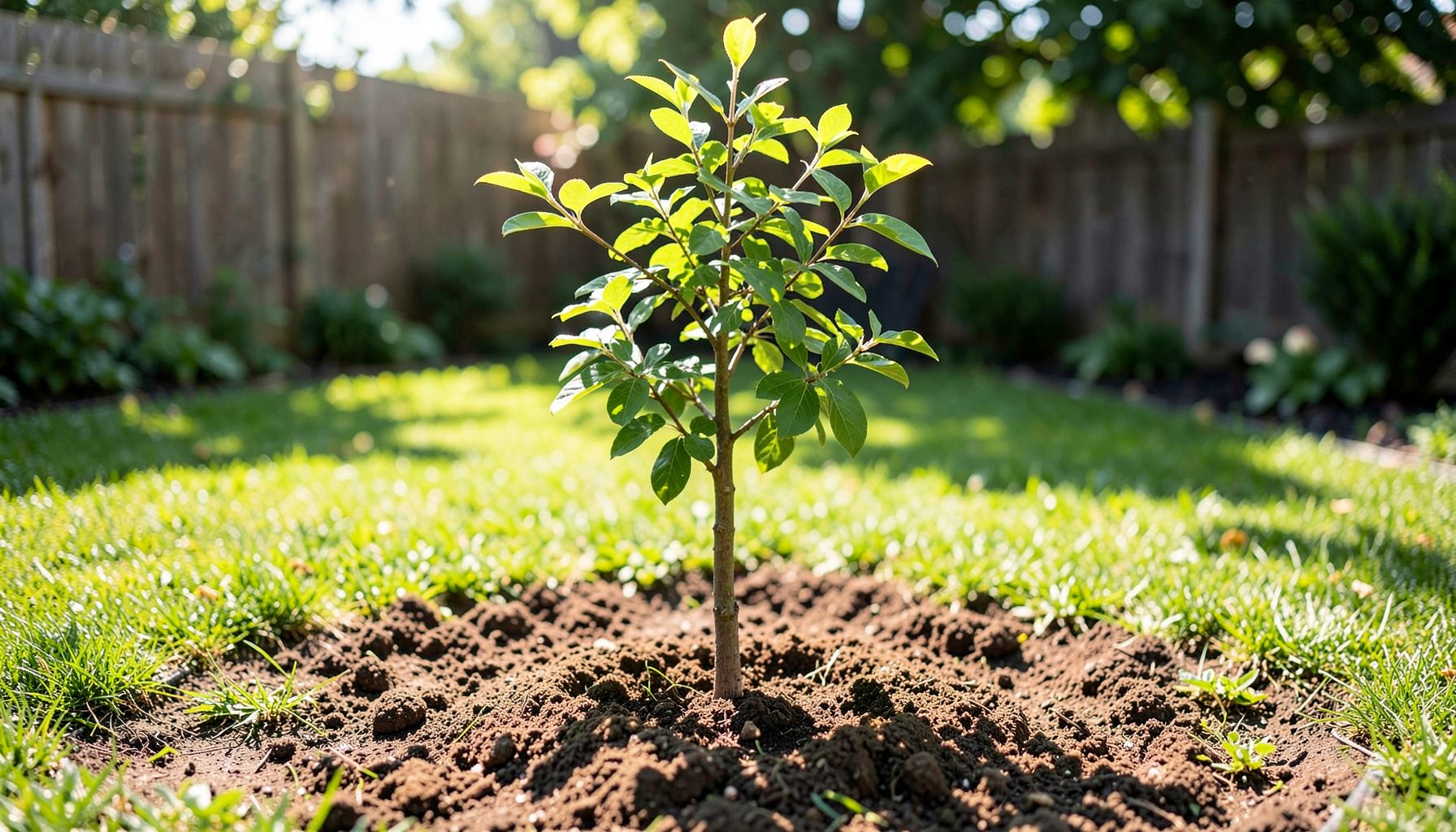
For homeowners starting a new landscaping project, choosing climate-appropriate shrubs can make a long-term difference to both resilience and maintenance. Local nurseries in places like Castlemaine, Mundaring and the Southern Highlands are familiar with fire-wise species and can advise on what performs reliably in each microclimate.
Hardening your home exterior and surroundings
Even the best landscaping can be undermined if the building itself is not prepared. Gutters should be cleared of leaves before each fire season, and any overhanging branches trimmed back at least two metres from the roofline. Vents in eaves and under floors should be fitted with ember-proof mesh, typically with openings no larger than two millimetres. Fly screens on windows add a second barrier and can be upgraded to metal mesh in older homes.
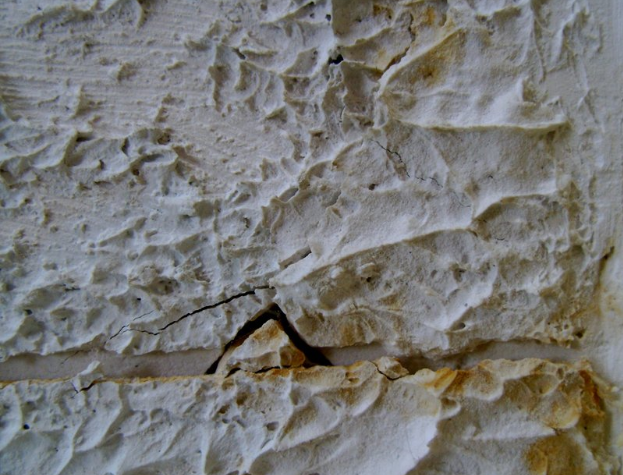
Driveways and paths play a part that is easy to overlook. Cracked paving collects dry debris and provides a slow-burning fuel source near the home, so repairing a cracked driveway before the season begins is worth scheduling. A clear, hard-surfaced driveway also doubles as an asset for firefighters, who need reliable access to defend a property. Storing any spare firewood or timber well away from the home, ideally downhill and shielded by a non-combustible screen, completes the basic hardening work.
Water supply is another critical element. Many Australian homes in bushfire-prone areas now have dedicated static water tanks fitted with a fire-service coupling, and the CFA recommends a minimum of 4,000 litres for properties in high bushfire areas. Pumps should be tested before summer, and hoses long enough to reach all sides of the home should be stored somewhere easily accessible, not buried at the back of the shed.
Keeping the zone defendable throughout the year
A fire-safe buffer is not a one-off project. Grass grows, leaves fall, and shrubs expand, often faster than residents notice. Setting a calendar reminder to walk the property at the start of each month between October and March helps catch small problems before they become major hazards. During Total Fire Ban days, declared across affected states during heatwaves, additional restrictions apply and any planned burning or machinery use should be postponed.
After any storm or strong wind event, a quick check for fallen limbs and damaged fencing is worthwhile, because a single dead branch overhanging the roof can undo an afternoon's careful clearing. Many local brigades in places like the Adelaide Hills, the NSW Southern Tablelands and Tasmania's East Coast run seasonal prepare-and-survive workshops, and attending one is a reliable way to refresh the household's plan and learn about any updates to local rules. Walking the property every month, clearing the gutters before each summer and keeping records of any maintenance performed is the most reliable way for a household to keep its buffer working when conditions turn dangerous.