
How to Clean Your Washing Machine’s Lint Trap Safely
A washing machine lint trap catches fibres, hair, threads and small bits of debris released during a cycle. Cleaning it helps water drain properly, reduces odours and prevents loose lint from being redeposited on clean clothes. It can also protect the drain pump from objects such as coins, hair ties and bra wires.
The exact filter location varies between appliances. Many Australian front loaders have a drain pump filter behind a small flap at the bottom front, while some top loaders have removable lint screens inside the tub. Washer-dryer combinations may have a separate dryer lint filter as well. Check the appliance manual before opening anything, and never assume every machine uses the same cleaning method.
Find The Correct Filter
Start by identifying whether your machine has a lint screen, a pump filter or both. On a top loader, look along the inner walls of the wash basket or around the agitator. The screen may slide out, unclip or lift away. Some newer top loaders use a self-cleaning system instead of a removable filter, so the manual is the best guide.
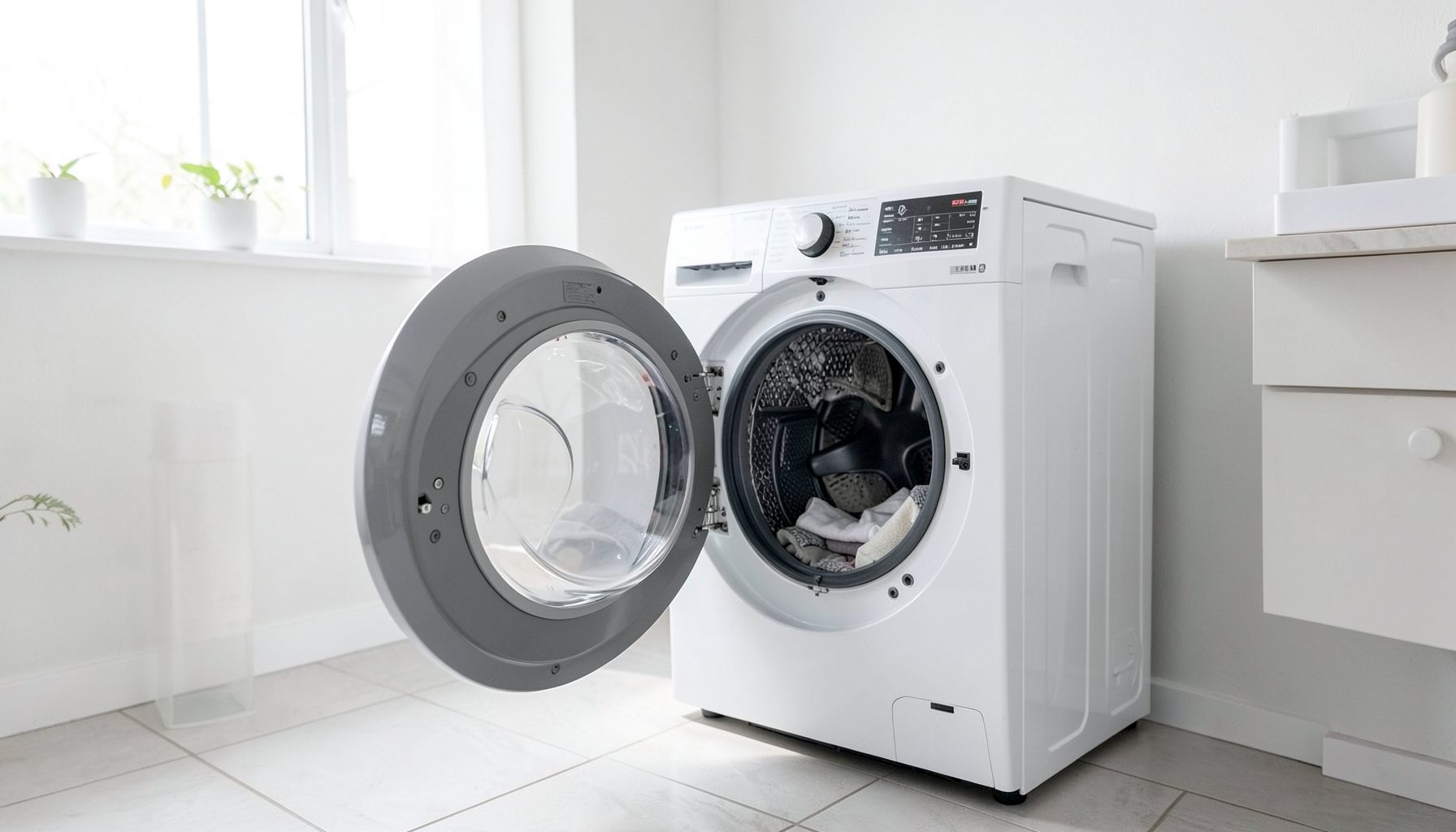
For a front loader, inspect the lower front panel. A small square or rectangular door usually hides the drain pump filter. This filter is designed to collect larger debris before wastewater reaches the pump, so it may contain lint, grit and surprisingly small objects. Do not remove the detergent drawer or rubber door seal expecting to find the main lint trap.
If your machine drains slowly, check the filter before assuming there is a blockage in the household plumbing. The same careful approach used for natural sink methods applies here: remove visible debris gently and avoid forcing objects deeper into a pipe or pump.
Prepare The Area And Appliance
Turn the washing machine off and unplug it from the power point. Australian household power is 230–240 volts, so do not work around water while the appliance is connected. If the machine has just completed a hot wash, allow the water to cool before opening the filter.
Place old towels beneath the access panel and keep a shallow tray or baking dish nearby. A front-loader pump filter can release a substantial amount of water, even when the drum appears empty. Some models include a small emergency drain hose; if yours does, place its end in the tray and remove the stopper slowly.
Move laundry baskets and other items away from the machine so you can work without twisting the hose or leaning on the door. In a compact laundry in a Brisbane unit or a Melbourne terrace, there may be little room around the appliance, but creating a dry working space helps prevent slips and protects flooring.
Remove The Filter Carefully
Open the filter cover and look for an emergency drain hose or a filter cap. Drain the water in stages if possible, emptying the tray whenever it becomes full. If there is no small hose, loosen the filter cap gradually rather than unscrewing it all at once.
Turn the cap anti-clockwise, following the arrow or markings on the housing. Pull the filter straight out once it is loose. A coin, button or hair clip may be wedged against the filter, so use your fingers carefully and wear rubber gloves if the water is unpleasant.
Never force a filter that will not turn. It may be jammed by an object caught in the pump, or the cap may have been cross-threaded. Excessive force can crack the housing and cause a leak. If the drum still contains water, drain it according to the manual before attempting further removal.
Wash Away Lint And Residue
Remove lint and larger debris by hand, then rinse the filter under warm running water. Use an old soft toothbrush to loosen detergent residue, hair and fine fibres from the mesh and grooves. Avoid harsh chemicals, wire brushes and boiling water, which can damage plastic parts or seals.
Inspect the filter for cracks, broken tabs or a distorted rubber seal. Also look inside the empty filter opening with a torch. The small impeller should be free of string and able to move with gentle resistance. Do not poke deeply into the pump with a sharp tool, as this can damage the impeller or push debris further inside.
Wipe the filter housing and the inside of the access door before refitting the part. A musty smell may come from detergent buildup, stagnant water or mould around the seal rather than from the lint filter itself. Cleaning the door gasket and leaving the door ajar after washes can help the whole machine dry.
Clean A Removable Lint Screen
If your top loader has a lint screen, remove it according to the markings or manual. Shake loose fibres into a bin instead of washing them down the laundry sink, where they can combine with soap residue and contribute to a blockage.
Rinse the screen in warm water and brush it lightly. Fabric softener and liquid detergent can coat the mesh, reducing its ability to catch lint. Allow the screen to dry if the instructions permit, then click it firmly back into place.
Some machines have a tub-mounted filter that must be opened from the top of the basket. Check that clips and covers are secure before starting a cycle. A loose filter can come away during agitation and may damage clothing or the appliance.
Refit And Test The Machine
Replace the clean filter by turning it clockwise until it is snug. Do not overtighten it, and make sure the cap sits squarely so its seal contacts the housing evenly. Refit the access cover and return the emergency hose stopper to its original position.
Run a short rinse or drain cycle while watching the filter area and the drain hose. Look for dripping, unusual rattling, a pump that runs without moving water or an error code. If water appears around the filter cap, stop the cycle, unplug the machine and reseat the filter.
A machine that remains unable to drain may have a blocked hose, failed pump or obstruction beyond the filter. Water escaping onto flooring can cause swelling, staining and mould, so respond quickly; these water damage advice points are useful when a leak has affected surrounding materials.
Prevent Future Lint Problems
Clean the lint filter every one to three months, or more often if you wash towels, fleece, pet bedding or heavily soiled work clothes. Australian households with sandy beach towels, dusty outdoor gear or shedding pets may need a shorter interval. Check the manual for a specific schedule.
Empty pockets, fasten zips and wash small items in a mesh bag. Do not overload the drum, because tightly packed clothing prevents proper rinsing and can leave extra fibres behind. Use the recommended detergent dose; too much product creates residue that traps lint and encourages odours.
Run a maintenance or drum-clean cycle when the manufacturer recommends it. In humid coastal areas such as Queensland or northern New South Wales, leave the door and detergent drawer open after use so moisture can evaporate. A clean filter, sensible load size and good airflow usually do more for washer performance than excessive cleaning chemicals.
A washing machine’s lint trap is a small part with an important job. Find out whether your appliance uses a tub screen, drain pump filter or both, then unplug the machine, control the leftover water and clean the component without force. Regular checks help maintain drainage, reduce smells and catch coins or other debris before they damage the pump.
The key thing to remember is simple: consult the manual, keep the filter clear, and inspect for leaks after every cleaning.