

How to Clean Your Refrigerator Coils for Efficiency
A refrigerator does not create cold; it transfers heat from the food compartment to the room. The exterior condenser coils release that heat, and a thick layer of dust can make the compressor run longer and use more electricity. Cleaning refrigerator coils is a simple way to restore airflow, lower operating costs and extend the appliance’s working life.
Most fridges need a visual check every six to twelve months. Australian conditions make this routine particularly useful: pollen, coastal dust and household pet hair can collect quickly, while hot summers in Brisbane, Sydney and Melbourne place extra demand on the cooling system. Always follow the model’s manual, especially if the condenser is hidden beneath a grille.
Locate the condenser coils
Before reaching for equipment, identify the condenser rather than the evaporator. The condenser is usually on the back or underneath of the refrigerator, often behind a grille; some older units have exposed rear coils. The evaporator is generally inside the freezer and carries frost, so it is not the coil you should brush or wipe during this job. If you are unsure, the model number on the rating label should match the appliance manual.
Australian kitchens often leave little service space. Side-by-side and French-door models may sit close to a wall, and integrated cabinets can hide the rear clearance. Before moving anything, check that the power cord, water-line inlet and drain hose have enough slack. A quick inspection of the surrounding cabinetry can reveal dust that has collected in the narrow gap behind the appliance.
Prepare the appliance safely
Switch the refrigerator off at the wall outlet, not merely with the temperature dial, and unplug it by the plug body. Australian homes use 230-volt power and Type I plugs, so keep the cord dry and never clean around a live socket. The compressor and condenser can remain hot after shutdown, so wait as directed in the manual before bringing a vacuum close.
If the fridge must be moved, protect the floor with cardboard or a thick mat and slide it gently rather than dragging it. Built-in units may be fixed in place, and apartment kitchens often have narrow service gaps, so measure the cabinet opening before moving anything. Clear trip hazards, and arrange another adult to steady the appliance if it is heavy or unstable.
Vacuum and wipe the coils
Use a vacuum with a soft brush or crevice tool to lift dust from the condenser fins. Work from the outer edge toward the centre so debris comes off rather than being pushed deeper, and vacuum the grille separately. Hold the brush lightly: bent fins reduce the surface area available to release heat. A small paintbrush can loosen stubborn dust before the vacuum reaches it.
For accessible surfaces, wipe the fins with a clean microfiber cloth lightly dampened with diluted mild detergent, then use a second cloth dampened with clean water to remove residue. Keep liquid away from electrical parts, fan bearings and door seals. Do not use a pressure washer, steam cleaner, abrasive powder or ammonia-based oven cleaner. Avoid compressed air as well, because it can blow dust into the cabinet and surrounding room.
Do not remove covers that conceal the compressor or refrigerant lines. If a coil is greasy, oily or visibly corroded, stop and arrange an inspection rather than trying to clean it. A technician can distinguish ordinary dust from damage that affects heat transfer, which may require repair rather than household maintenance.
Restore airflow and test the result
After cleaning, return the fridge to its approved position and leave the manufacturer’s specified gap around the condenser. Do not block rear or lower vents with boxes, shopping bags or towels. Vacuum the floor beneath the appliance while it is out, then check that the grille sits squarely and that the fan, if fitted, runs normally when the fridge is switched back on.
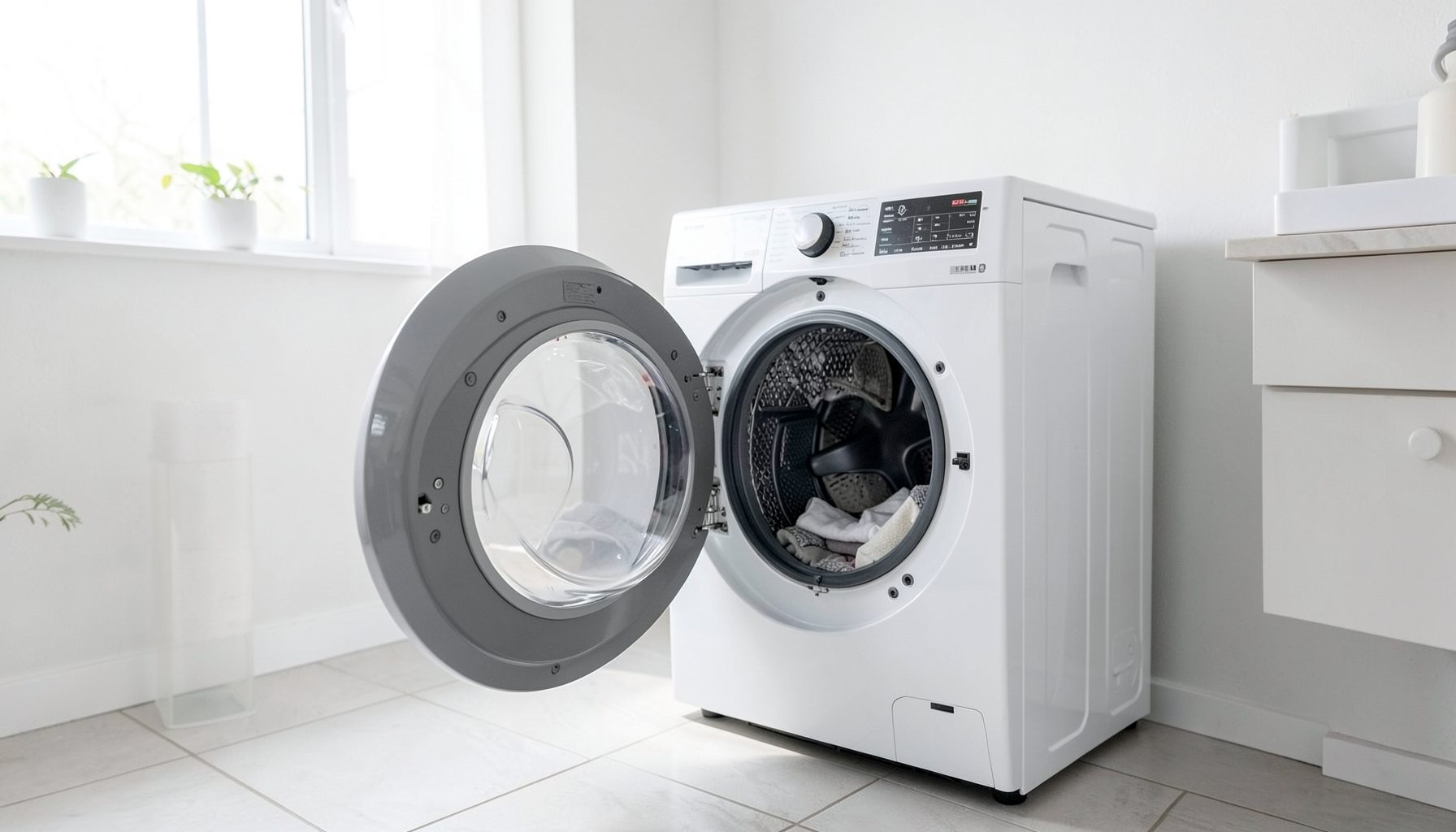
While checking ventilation around kitchen appliances, apply the same care to a clothes dryer. Our dryer vent guide explains how lint behind a dryer can create a fire hazard, especially in busy Australian family homes where laundry and kitchen areas share compact service spaces. The two appliances are separate, but both need airflow and safe housekeeping.
Reconnect the appliance only after the plug and socket are dry. Listen for normal compressor and fan sounds, and check that cold air is still circulating within an hour or two. Cleaning cannot make a refrigerator colder than its thermostat setting, but efficient heat release can reduce running time. Compare kilowatt-hours across a billing period rather than judging the result from one hot afternoon.
Recognise problems beyond dust
A clean condenser will not fix a refrigerator that has ice around the evaporator, a damaged door seal, a faulty thermostat or a compressor that cycles irregularly. Persistent condensation, water under the crisper, unusually warm compartments or repeated short cycling are signals to check the manual and contact an appliance repairer. Never open the sealed refrigerant circuit yourself; in Australian states and territories, work requiring refrigerant handling is generally the responsibility of licensed refrigeration technicians.
The energy effect can be measured. Covered refrigerators sold in Australia carry a mandatory Australian Energy Rating under federal energy-efficiency legislation, and the label helps compare a model’s annual electricity consumption. Households in NSW can use Energy Made Easy, while Victorian households can use Victorian Energy Compare to assess tariffs and usage patterns. Actual savings depend on the appliance, electricity plan and how often the door is opened.
Connected refrigerators add a separate household responsibility: review the manufacturer’s app permissions before placing a fridge on Wi-Fi, and remove obsolete accounts if you sell or replace it. For details of any information voluntarily submitted to this publication, see its privacy policy; that policy is separate from data stored by a smart appliance. Cleaning the coils does not require an internet connection or an app.
Make the inspection part of a simple household rhythm. Check the vents and coils every six months, or sooner after renovation, moving or a particularly dusty season, and wipe accessible surfaces with mild detergent. Keep children and pets away while the appliance is unplugged, and make sure the plug is fully seated before switching on.
The practical takeaway is to use a gentle vacuum-and-wipe routine, preserve the manufacturer’s airflow gap, and investigate unusual cooling or cycling symptoms separately. In Australian conditions, those habits can keep the refrigerator running efficiently without major expense or unnecessary repair.