How to Clean Your Chimney Flue Safely at Home
A clean chimney flue helps smoke, combustion gases and fine particles leave the house safely. Soot and creosote can restrict airflow, create unpleasant odours and increase the risk of a chimney fire. A blocked flue may also force carbon monoxide back into living areas.
In Australia, open fireplaces and wood heaters are common in older homes, rural properties and colder regions such as Hobart, Canberra and the Adelaide Hills. A chimney that looks clean from the hearth can still contain deposits higher up, a bird’s nest or loose masonry.
Cleaning is suitable for some solid-fuel flues when the chimney is accessible and in sound condition. It is not a substitute for a professional inspection. Gas appliances, roof work, suspected asbestos and structural damage require a licensed or qualified tradesperson.
The safest approach is to identify the appliance first, prepare the room and work from the correct access point. Rushing to scrub the flue without checking its condition can spread hazardous dust or damage the liner.
Check The Appliance And Flue First
Before gathering tools, confirm whether the chimney serves an open fireplace, slow-combustion wood heater or another appliance. Gas flues should not be cleaned or altered as a DIY project because combustion performance and ventilation need specialist testing. Oil-fired equipment also requires appropriate technical knowledge.
Look up the appliance manual and check any cleaning instructions. For solid-fuel heaters, the flue should be compatible with the appliance and installed according to relevant Australian requirements, including guidance associated with AS/NZS 2918. Local council rules and state fire authority advice may also apply, particularly in bushfire-prone areas.
Inspect the firebox, baffle plates, door seals and visible sections of flue for cracking, rust, heavy tar or loose parts. A shiny, thick, glazed coating is creosote rather than ordinary soot and is harder to remove. If deposits are substantial, sticky or flaky, arrange a chimney sweep instead of relying on a household brush.
Also look for signs of wildlife. In coastal towns, country areas and leafy suburbs around Sydney or Brisbane, birds and possums can enter uncapped chimneys. A nest, feathers or daylight blocked by debris should be dealt with before lighting another fire.
Gather Suitable Cleaning Equipment
For a basic clean of a sound solid-fuel flue, use a correctly sized chimney brush, flexible rods, a drop sheet, heavy-duty gloves, safety glasses and a suitable dust mask or respirator. Polypropylene brushes are commonly used for stainless-steel liners, while some masonry chimneys tolerate wire brushes. Follow the flue manufacturer’s recommendation rather than choosing a brush by appearance.
A domestic vacuum with a fine-particle or HEPA filter can help collect debris, but it should not be used if it is likely to blow soot back into the room. A metal bucket, scraper and small hand brush are useful for deposits in the firebox. Avoid improvised poles, garden hoses and aggressive chemicals, which can damage liners or leave residue.
Products available through Australian hardware retailers such as Bunnings include chimney rods, flue brushes and firebox tools, although sizes vary. Measure the flue or consult the heater manual before buying. The brush should make firm contact with the walls without becoming wedged.
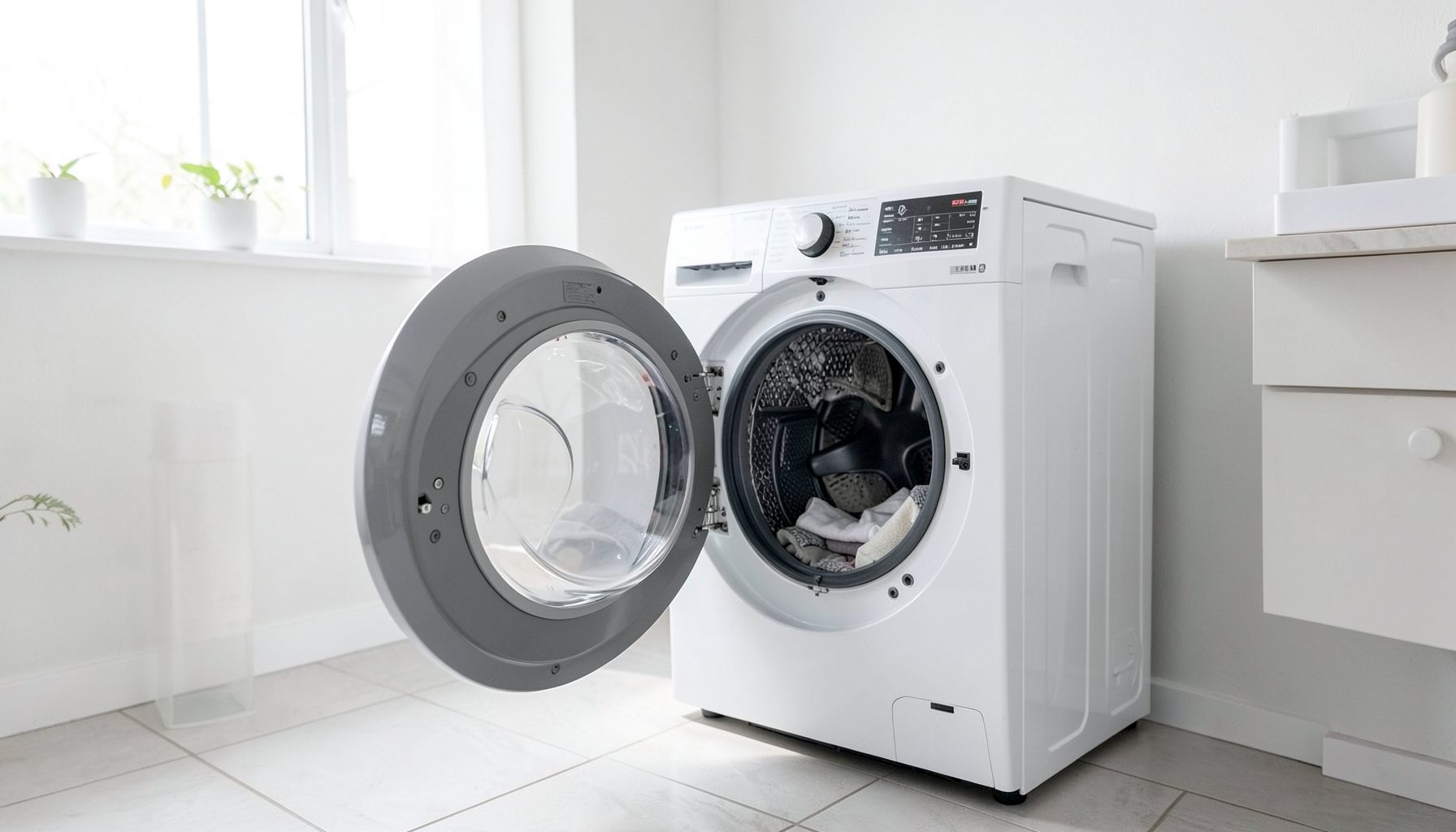
If you also maintain a clothes dryer, the same dust-control principle applies when following this dryer vent guide: remove accumulated lint carefully and avoid blowing combustible debris into hidden spaces.
Prepare The Room And Protect Yourself
Only clean a completely cold fireplace or wood heater. Do not start immediately after a fire, and wait until ash and metal components have cooled fully. Remove loose ash from the firebox with a metal shovel and place it in a lidded metal container outdoors, away from timber, mulch and walls. Ash can retain embers for many hours.
Close the heater door if possible and seal gaps around the opening with a damp cloth or painter’s plastic. Open a window slightly to improve ventilation, but avoid creating a strong draught that spreads soot through the house. Move furniture, rugs and ornaments away from the hearth, then cover nearby surfaces.
Roof access introduces a separate hazard. Wet tiles, steep pitches, fragile roofing and overhead power lines make chimney brushing from above unsuitable for many homeowners. Never work on a roof in wind or rain, and do not use a ladder without stable footing and another adult managing safety. A long-handled cleaning system used from inside may be safer, provided the flue design allows it.
Wear eye protection, gloves, long sleeves and a properly rated particulate mask. Soot may contain fine particles and residues from treated or painted timber. Wash work clothes separately and clean the hearth with damp methods rather than dry sweeping.
Brush The Flue In Controlled Passes
When cleaning from below, insert the brush through the firebox or the heater’s flue access point. Attach one rod at a time and push the brush upwards with short, controlled strokes. Rotate it gently as you move, adding rods only as the brush progresses. Forcing a large brush can dislodge a liner or leave it stuck.
Work along the full accessible length, then withdraw the rods slowly. Soot will fall into the firebox, where it can be collected after the dust has settled. Repeat the passes until the amount of loose material decreases. Do not use a chain, weighted object or power drill unless the flue manufacturer specifically permits that method.
Some chimneys can be swept from the roof using a brush and flexible rods. This may clean the full length more effectively, but it carries fall risks and can disturb a chimney cap or flashing. If roof access is required, a qualified chimney sweep is usually the safer option.
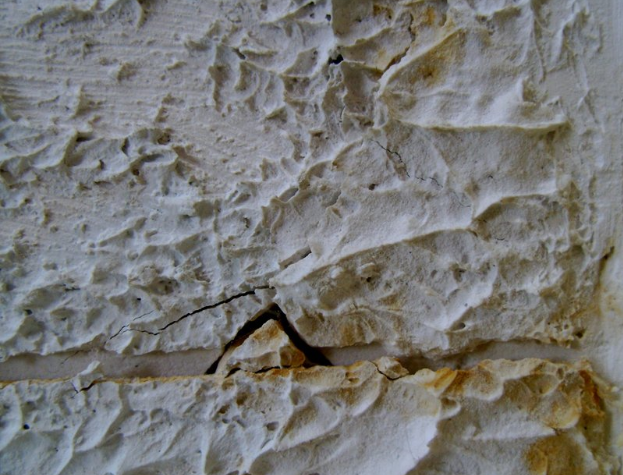
After brushing, inspect the firebox and accessible flue section with a torch. Check that the cap remains secure, the liner has not shifted and no large fragments have fallen into the appliance. A sudden change in draught, persistent smoke or a damaged component means the heater should remain unused until inspected.
Know When Cleaning Is Not Enough
A clean flue will not correct poor ventilation, an incorrectly sized liner, damaged brickwork or a faulty heater. Stop using the appliance if smoke enters the room, the fire burns unusually slowly, carbon monoxide alarms activate or a strong tar smell remains after cleaning. Carbon monoxide alarms should be installed and maintained according to the manufacturer’s instructions.
Have the chimney professionally checked if the home is newly purchased, the heater has been installed or modified, or the flue has not been maintained for several seasons. Annual inspection may be sensible for frequent wood-heater use, while occasional users may follow the appliance maker’s schedule and local fire-safety advice. Burning green wood, treated timber or household rubbish creates more smoke and deposits.
A chimney cap and bird guard can reduce rain, leaves and nesting material, but they must suit the flue and not restrict exhaust. Keep vegetation, stored timber and combustible materials away from the chimney outlet and heater. In areas affected by summer bushfires, maintain the surrounding property in line with local vegetation-management guidance.
Practical home-care information, including advice on related household risks, is available in these home maintenance guides. Keeping a written record of cleaning dates, fuel type and any faults makes it easier to spot changes in performance.
A sensible routine is simple: burn dry, untreated firewood; inspect the appliance before the heating season; clean only when the flue is cold; use a properly sized brush; and arrange professional help for glazed creosote, gas appliances, roof access or structural concerns. The practical takeaway is to treat chimney cleaning as both a soot-removal task and a safety inspection, not merely a quick scrub before the next fire.