How to Choose the Right Pest Control Method for Your Garden
A healthy garden can still attract aphids, caterpillars, beetles, slugs, mites, and other unwanted visitors. The right response depends on the pest, the extent of the damage, the plants involved, and the conditions that allowed the problem to develop. Choosing a treatment without identifying those factors can waste money and harm beneficial insects.
Effective garden pest control usually begins with prevention and observation. Physical barriers, healthy soil, proper watering, and regular inspections often reduce pest pressure before stronger measures become necessary. When treatment is needed, the safest approach is to use the least disruptive option that can control the problem.
Recognize The Pest Before Treating
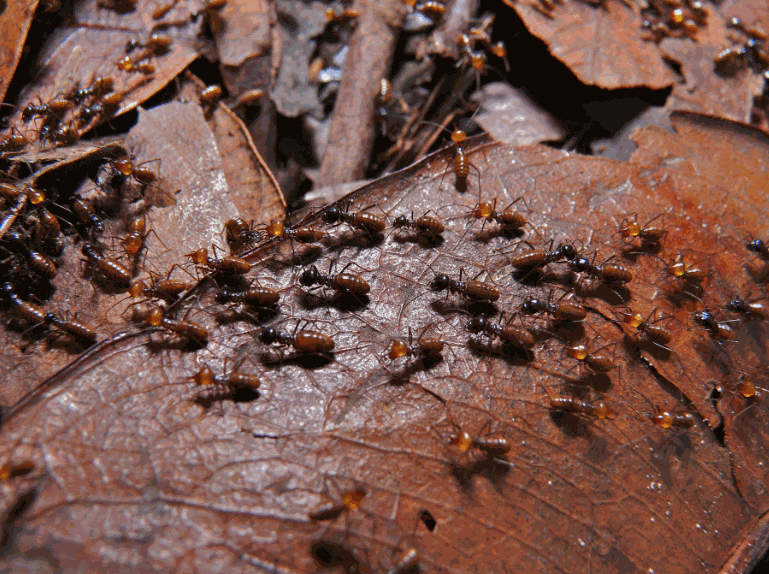
Start by examining both the insect and the damage. Chewed edges may indicate caterpillars or beetles, while sticky leaves can point to aphids, whiteflies, or scale insects. Fine webbing is commonly associated with spider mites, and irregular holes near the soil may suggest slugs or snails. Look under leaves, around stems, and in the soil instead of relying on a quick glance.
Damage can also result from disease, poor nutrition, drought, or excessive moisture rather than insects. Wilting plants, yellow leaves, and root problems are especially easy to misdiagnose. If a garden bed stays wet, inspect drainage and nearby plumbing before applying a pesticide; homeowners can also learn how to spot hidden leaks when moisture problems may be affecting plants or attracting pests.
Match The Method To Garden Conditions
Cultural controls change the conditions that make pest outbreaks likely. Remove diseased leaves, clear fallen fruit, rotate annual crops, control weeds, and avoid planting the same susceptible species in one area year after year. Water at the base of plants in the morning, since wet foliage and nighttime irrigation can encourage fungal disease and create shelter for some pests.
Physical methods are often ideal for small vegetable gardens and ornamental beds. Handpick visible insects, rinse soft-bodied pests from leaves with a firm stream of water, use floating row covers, and install copper tape or barriers where slugs are a problem. Pruning crowded growth improves airflow and makes plants easier to inspect. These methods require consistency, but they create little risk for pollinators, pets, children, or edible crops.
Compare Common Garden Pest Controls
Each control category has a different balance of speed, cost, effort, and environmental impact. A biological treatment may take longer than a synthetic spray but can preserve predator populations. A barrier may require repeated adjustment, yet it can prevent damage without leaving residues on leaves or soil.
Use the comparison below as a starting point rather than a fixed rule. The best choice may combine several methods, such as removing heavily infested leaves, encouraging beneficial insects, and applying a targeted product only if the pest population continues to grow.
| Method | Best Use | Main Benefits | Limitations |
|---|---|---|---|
| Hand removal | Small infestations and visible caterpillars | Free, precise, and chemical-free | Requires frequent inspection |
| Water spray | Aphids, mites, and soft-bodied insects | Simple and inexpensive | May need repeated applications |
| Barriers and traps | Slugs, flying insects, and browsing pests | Protects plants without broad sprays | Must be installed and maintained |
| Biological controls | Specific pests in established gardens | Can support long-term balance | Results may be gradual |
| Horticultural oils or soaps | Many soft-bodied insects | Lower persistence than many conventional pesticides | Can burn plants in heat or when misapplied |
| Targeted synthetic pesticide | Severe or persistent infestations | Often fast and effective | Can harm beneficial organisms and requires careful handling |
Use Chemicals With Care
When other measures fail, select a product labeled for the exact pest and plant. Read the active ingredient, application rate, re-entry instructions, harvest interval, and warnings before opening the container. “Natural” does not automatically mean harmless; concentrated neem oil, pyrethrins, sulfur, and soaps can injure plants or affect aquatic life when used incorrectly.
Never combine products unless the label specifically allows it, and avoid spraying in wind, extreme heat, or during peak pollinator activity. Apply a small test area first, especially on delicate ornamentals, seedlings, herbs, and fruit trees. Household products should not be improvised as garden treatments. Guidance such as these sink unclogging steps is intended for plumbing, not for killing insects or weeds.
Store pesticides in their original containers, away from food, animal feed, children, and pets. Wear the protective equipment listed on the label, wash hands after use, and keep people and animals away from treated areas for the required period. Dispose of leftover material through an approved local collection program rather than pouring it into a drain or onto the soil.
Protect Soil, Pollinators, And Wildlife
A garden contains a food web that includes bees, butterflies, ladybugs, lacewings, ground beetles, spiders, birds, and soil organisms. Broad-spectrum insecticides can reduce these helpful species while leaving the original pest problem unresolved. Before treating, check whether natural predators are already controlling the infestation.
Plant diversity, flowering herbs, native plants, shallow water sources, and undisturbed soil can support beneficial wildlife. Avoid spraying open flowers, and remove weeds or damaged plant material by hand when possible. If a product is necessary, use a spot treatment directed at the affected plant rather than coating the entire garden.
Protect water as well as soil. Never apply pesticides near ponds, streams, storm drains, or areas that flood after rain unless the product label specifically permits it. Prevent runoff by following the stated rate and waiting period. A small, targeted application is usually safer and more economical than treating every bed as a precaution.
Build A Practical Pest Management Plan
Integrated pest management, often called IPM, combines monitoring, prevention, physical controls, biological support, and carefully selected products. Keep a simple garden record with the date, plant variety, pest observed, weather conditions, treatment used, and result. This can reveal recurring patterns, such as a beetle appearing after a particular crop is planted or fungal problems following prolonged damp weather.
A practical routine can include the following:
- Inspect the undersides of leaves and new growth once or twice each week.
- Identify the pest and estimate whether damage is increasing or remaining minor.
- Correct watering, drainage, overcrowding, weeds, or plant stress before treating.
- Start with hand removal, barriers, pruning, traps, or beneficial organisms.
- Use a labeled pesticide only when the damage justifies it, applying the smallest effective amount.
Set a response threshold so that a few harmless insects do not trigger unnecessary spraying. Some leaf damage is acceptable, especially on mature plants that continue to grow normally. Immediate treatment is more appropriate when pests threaten young seedlings, spread plant disease, damage food crops, or increase rapidly over several inspections.
A thoughtful garden pest control strategy protects plants while limiting disruption to the wider environment. Identify first, address the conditions encouraging the infestation, and choose a focused remedy that suits the crop and the season. For additional homeowner information and site-use details, review the privacy policy, then put the plan into practice with regular garden inspections and careful records.