
How to Choose Drought-Tolerant Plants for Your Garden
A water-wise garden can remain colorful, productive, and welcoming through long periods of heat when its plants match the local climate. Choosing drought-tolerant plants is less about finding species that never need water and more about selecting plants that can survive dry spells once their roots are established.
The best choices depend on sunlight, soil type, drainage, humidity, and the amount of care you can provide. A plant that thrives in sandy, fast-draining soil may struggle in compacted clay, while a sun-loving perennial may become stressed beside a hot wall or driveway.
Thoughtful preparation also reduces maintenance around the rest of the property. Strong plants need less emergency watering, and deep, healthy roots can help stabilize planting beds. Before buying anything, study the conditions in your garden and plan around them rather than trying to force a favorite plant into the wrong location.
Start with your garden’s growing conditions
Observe the proposed planting area at different times of day. Full sun usually means six or more hours of direct light, while partial shade may receive morning sun and afternoon cover. Buildings, fences, mature trees, and neighboring plants can change the amount of heat and moisture a bed receives.
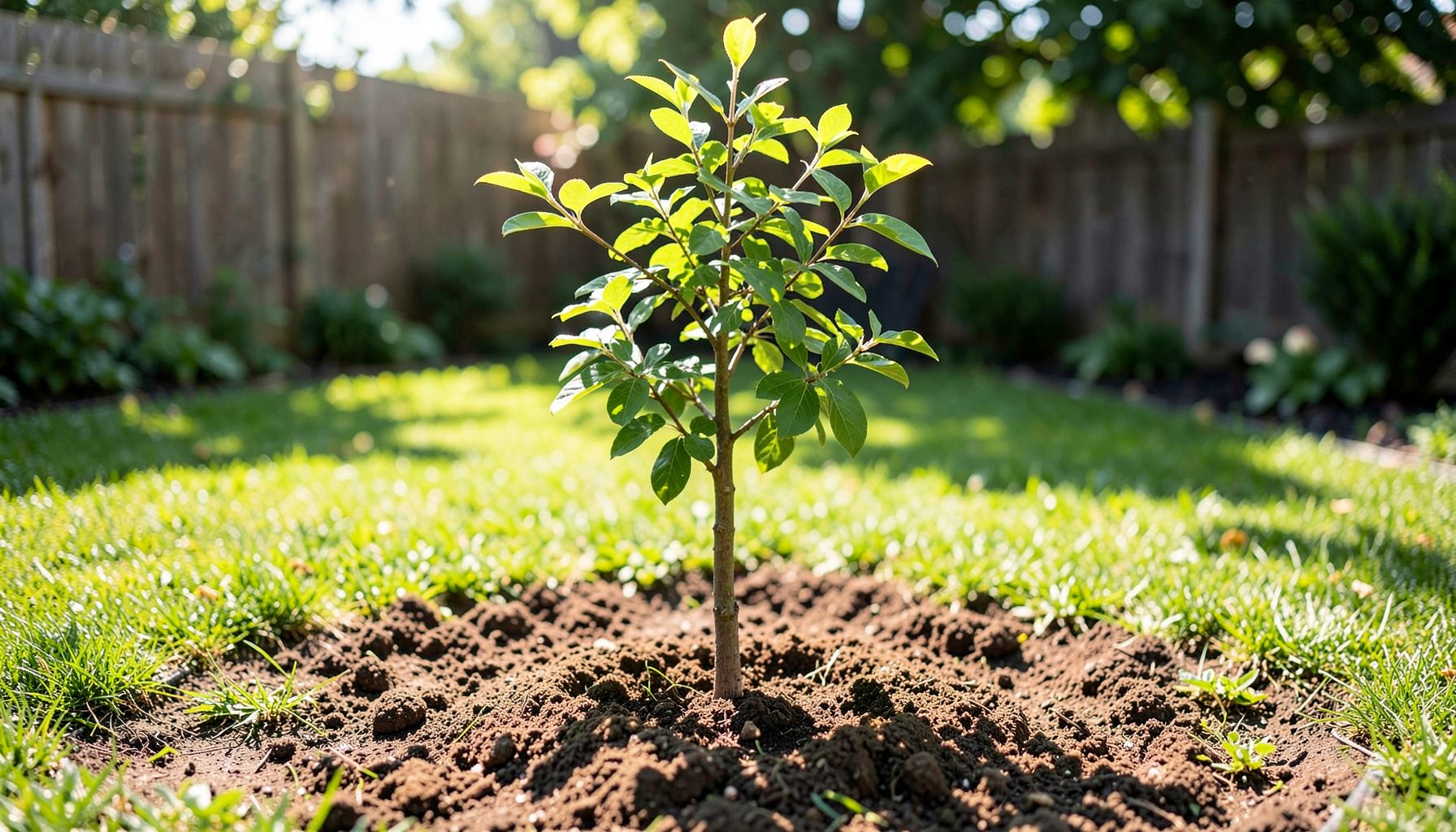
Soil is equally important. Dig a small test hole and examine whether the soil is sandy, crumbly, compacted, or sticky when wet. Clay soil can hold moisture for a long time but may drain slowly and restrict root growth. If you are planting a tree, review this practical guide to planting in clay soil before choosing the location and preparing the hole.
Notice existing drainage after heavy rain. A drought-resistant plant still needs adequate drainage because constantly wet roots can lead to rot, fungal problems, and poor growth. Low spots may be better suited to moisture-tolerant species, while raised or sloped areas can support plants that prefer drier conditions.
Match plants to water needs
Labels such as “low water,” “xeric,” and “drought tolerant” are useful starting points, but they do not mean a plant can be ignored immediately after planting. New plants need regular, deep watering while their roots expand. After establishment, many can handle longer intervals between irrigation.
Group plants with similar moisture requirements together. A bed containing lavender, ornamental grasses, and succulents should not share the same watering schedule as a bed containing moisture-loving ferns or shallow-rooted annuals. Separating these zones prevents overwatering some plants just to keep others alive.
Native and regionally adapted plants are often reliable choices because they evolved under local weather patterns, soils, and seasonal stresses. Native does not automatically mean drought-proof, however. Some native plants prefer wet bottomlands, so check the mature water requirements before purchasing.
Compare plant types before buying
A balanced garden usually combines ground covers, shrubs, perennials, grasses, and possibly small trees. This creates layers of height and texture while spreading risk. If one type struggles during an unusually dry season, other plants can continue providing structure and color.
Use mature size as a major selection criterion. A small nursery plant may eventually shade nearby flowers, press against siding, or interfere with walkways and utility lines. Choosing a plant suited to the available space reduces pruning and protects the home’s exterior.
| Plant category | Useful examples | Best setting | Watering notes |
|---|---|---|---|
| Ornamental grasses | Little bluestem, muhly grass | Sunny, well-drained beds | Water regularly until established |
| Flowering perennials | Coneflower, black-eyed Susan, yarrow | Full sun with open airflow | Deep watering during prolonged heat |
| Drought-tolerant shrubs | Wax myrtle, beautyberry, rosemary | Borders and foundation areas | Confirm mature width and soil preference |
| Ground covers | Creeping thyme, sedum, frogfruit | Edges, slopes, and sunny gaps | Avoid soggy locations |
| Small trees | Redbud, vitex, serviceberry | Spacious areas with root room | Provide supplemental water during establishment |
When considering trees, account for canopy spread, root competition, and seasonal shade. The tree care guidance available through the site can help you think beyond the planting day and plan for long-term growth, pruning, and site protection.
Improve the soil without creating drainage problems
Organic matter can improve compacted soil, but amendments should be used thoughtfully. Mixing a small amount of compost into the planting area can support root development, while adding large quantities of rich soil to a clay hole may create a container that holds water around the roots.
Avoid placing a layer of gravel beneath a planting hole as a general drainage fix. This often fails to improve drainage and can create a perched water zone. Instead, choose plants suited to the existing soil, build broad planting beds where appropriate, and correct severe compaction before planting.
A soil test can reveal pH and nutrient conditions that are not obvious from appearance. Fertilizer is not a substitute for the right plant or good drainage. Excess nutrients can produce weak, fast growth that needs more water and may be more vulnerable to pests.
Use mulch and efficient watering
Apply two to three inches of organic mulch around plants, keeping it a few inches away from trunks and stems. Mulch moderates soil temperature, slows evaporation, and reduces competition from weeds. It should be replenished as it breaks down, but deep piles can trap moisture against bark and encourage pest problems.
Water slowly and deeply rather than sprinkling lightly every day. A soaker hose, drip line, or carefully directed garden hose can place moisture near the root zone while limiting evaporation. Water early in the morning when possible, and adjust the schedule after rainfall instead of following an unchanging calendar.
Check the soil before irrigating. Insert a finger or small trowel several inches below the surface near, but not directly against, the plant. If the soil is still damp, wait. During a heat wave, newly planted specimens may need closer attention even when established plants remain healthy.
Choose plants for year-round resilience
Drought tolerance is only one part of a successful landscape. Look for plants with useful qualities such as pest resistance, winter hardiness, long bloom periods, evergreen foliage, or habitat value for pollinators. A garden with varied forms and bloom times can remain attractive without relying heavily on thirsty annuals.
Avoid selecting every plant solely because it is described as “low maintenance.” Invasive tendencies, thorny growth, messy fruit, susceptibility to local diseases, and aggressive spreading can create new maintenance problems. Read the full plant tag and confirm how a species behaves in your region.
Practical selection priorities
- Measure available space and sunlight before visiting a nursery.
- Choose plants with similar irrigation needs for the same bed.
- Prefer healthy specimens with strong stems and no visible pest damage.
- Plan for mature height, width, roots, and seasonal changes.
- Water new plants consistently until they are well established.
A small trial bed is a useful way to test unfamiliar varieties. Monitor how the plants respond through hot weather, heavy rain, and seasonal temperature changes before expanding the design. Keep notes about watering, flowering, and growth so future purchases are based on evidence from your own yard.
Use drought-tolerant plants as part of a broader home-care routine: maintain mulch, clear blocked drainage, inspect trees, and watch for signs of stress before minor problems become expensive ones. Select a few well-matched plants this season, prepare their growing space carefully, and give them attentive establishment care so your garden can become more durable with every year.