Choosing the Best Compost Bin for Your Yard
A compost bin turns kitchen scraps, leaves, and grass clippings into a useful soil amendment. The right setup can reduce household waste, improve garden soil, and make routine yard care easier. However, a bin that works well for a small patio may be poorly suited to a large lawn or a home with frequent pest activity.
The best choice depends on the materials you produce, the space available, your local weather, and how much time you want to spend managing the pile. A sealed tumbler offers convenience, while an open-bin system provides more capacity and usually costs less.
Before buying, consider access, drainage, ventilation, and the finished composting process. A thoughtful choice helps prevent odors, soggy organic matter, insects, and an overflowing container.
Match The Bin To Your Composting Style
Stationary compost bins are simple containers with open bottoms or ventilation holes. They work well for homeowners who can add materials gradually and are comfortable turning the pile with a fork. Many models hold a substantial volume of leaves, grass, fruit scraps, and vegetable peelings without requiring frequent emptying.
Compost tumblers rotate on a frame, making it easier to mix the contents without bending or digging. They are often a good fit for smaller yards, though their capacity can be limited. Worm bins, sometimes called vermicomposting systems, use red wigglers to process food scraps indoors or in a shaded outdoor location. They produce rich castings but require more careful control of temperature and moisture.
Consider Capacity And Construction
Estimate the amount of organic waste your household creates during an average week, then account for seasonal yard debris. A compact bin may suit a household with a small garden and limited food waste. If you regularly collect fallen leaves, pruning pieces, and grass clippings, choose a larger model or consider using a separate leaf-composting area.
Construction affects durability and maintenance. Recycled plastic bins are lightweight, affordable, and resistant to moisture, while galvanized steel and thick resin models may withstand impacts and prolonged outdoor exposure better. Wood composters blend into a landscape but can eventually rot, especially where the ground stays wet.
| Compost bin type | Best for | Main strengths | Points to watch |
|---|---|---|---|
| Stationary bin | Medium or large yards | High capacity and low cost | Requires manual turning |
| Tumbling composter | Small yards and busy households | Easy mixing and quick access | Limited capacity on some models |
| Worm bin | Apartments, patios, and food scraps | Produces nutrient-rich castings | Sensitive to heat and excess moisture |
| Open wire enclosure | Leaves and garden debris | Excellent airflow and low price | Offers less protection from animals |
| Sealed compost container | Urban yards and pest-prone areas | Helps contain odors and scraps | May need careful moisture control |
Choose A Practical Yard Location
Place the bin on level ground with good drainage. Direct contact with soil allows beneficial organisms and earthworms to enter many composting systems, while a solid base can trap liquid and create unpleasant smells. Avoid areas that collect rainwater or sit directly beneath a roof downspout.
Partial shade is usually ideal, particularly in warm climates. Too much sun can dry the pile or overheat a worm bin, while dense shade may slow decomposition. Leave enough room around the container to add materials, turn the contents, remove finished compost, and clean up spills.
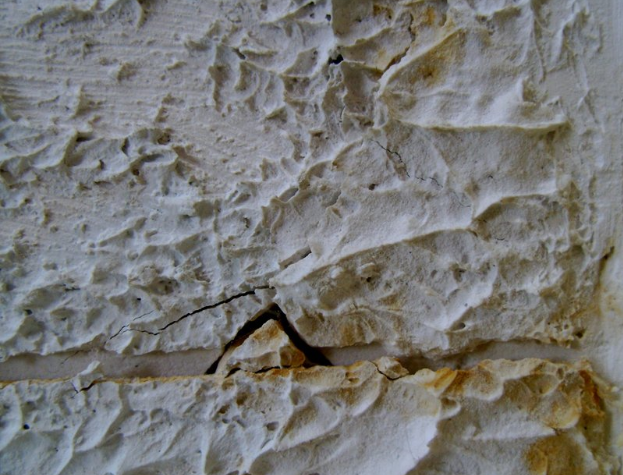
Keep the bin reasonably close to the kitchen, but do not position it beside doors, windows, or outdoor living areas if it may attract flies. It should also be separated from structures and paved surfaces when possible; guidance on repairing driveway cracks can help with broader upkeep around hardscaped areas.
Compare Features That Matter
Ventilation is essential because composting organisms need oxygen. Look for slots, perforations, or mesh sides that allow airflow without leaving large openings for rodents. A lid helps control rain, protects the pile from excessive drying, and discourages animals from investigating food scraps.
Convenient access is just as important as appearance. A removable panel near the base makes it easier to harvest finished compost, while a wide opening simplifies adding bulky leaves. Tumblers should have a secure latch and a stable frame; a poorly balanced model can be difficult to rotate once it is full.
In areas with raccoons, rats, or other persistent wildlife, select a sturdy container with a locking lid and narrow openings. Avoid putting meat, dairy, oily food, or pet waste into a standard backyard compost bin. These materials can create strong odors and attract unwanted visitors regardless of the container design.
Keep The Compost Healthy
A productive pile needs a balance of “green” and “brown” materials. Green materials include vegetable scraps, coffee grounds, fresh grass, and young weeds. Brown materials include dry leaves, shredded cardboard, untreated paper, straw, and small amounts of dry plant stems. Alternating these materials helps maintain carbon, nitrogen, air, and moisture levels.
The contents should feel like a wrung-out sponge. If the pile is wet and compacted, add dry leaves or shredded cardboard and mix it to restore airflow. If it is dusty and inactive, add a small amount of water and fresh green material. Chop large branches and tear cardboard into smaller pieces so the pile breaks down more evenly.
Do not expect a new bin to eliminate all maintenance. Turn a stationary pile every few weeks, or rotate a tumbler according to its instructions. Remove finished compost when it becomes dark, crumbly, and earthy-smelling, then use it around ornamental plants, vegetable beds, trees, and shrubs.
Make A Confident Purchase
Price alone does not determine value. A low-cost enclosure may be suitable for leaves but frustrating for food scraps, while a premium tumbler may offer useful convenience without providing enough capacity for a large property. Think about how the bin fits your routine throughout the year.
Use this checklist before selecting a model:
- Measure the available space and confirm that the bin will remain accessible after installation.
- Estimate weekly food scraps and seasonal yard waste to choose an adequate capacity.
- Check for ventilation, a secure lid, drainage, and a convenient compost-removal opening.
- Select durable materials that can withstand local rain, sun, temperature changes, and animal activity.
- Confirm that the design matches your willingness to turn, water, monitor, and harvest the compost.
A compost bin should support the way your household already handles yard maintenance rather than create an unnecessarily demanding task. Homeowners looking for related upkeep information can also browse broader home guidance for practical ideas that complement soil improvement and outdoor care.
Start by observing your waste habits for a week, then choose the bin size and style that matches those habits. With a well-placed container, balanced materials, and modest regular attention, your yard can produce useful compost while sending less organic waste to the landfill.