
Sump Pump Check Before Storm Season: An Australian Homeowner's Guide
Across Australia, the approach of spring and summer brings the promise of long evenings and weekend barbecues, but it also signals the start of severe weather season. From La Niña-driven downpours along the east coast to tropical cyclones tracking across the Top End, heavy rain can arrive quickly and overwhelm unprepared homes. A working sump pump is often the last line of defence against a flooded basement or a soaked subfloor, yet many homeowners only think about the device once water is already creeping across the floor.
Sump pump systems are more common in Australian homes than they were a decade ago, particularly in newer builds around Brisbane, Sydney's outer suburbs, and parts of Melbourne where developers must meet stricter stormwater management rules. Older weatherboard houses in Adelaide or Hobart may not have a sump pit at all, relying instead on gravity-fed drainage, but even these properties can benefit from a portable or aftermarket pump in problem areas.
Storm season timing varies by region, which matters when scheduling a check. Northern Australia braces for cyclones from November through April, while southern states face their wettest weather between June and October as cold fronts sweep across the continent. Knowing your local risk window is the first step in avoiding an emergency callout when the rain starts hammering the roof.
A pre-season inspection takes less than an hour and requires only basic tools, but skipping it can lead to thousands of dollars in water damage, ruined furniture, and the kind of musty smell that lingers for months.
How Australian Weather Tests Your Sump Pump
The Bureau of Meteorology regularly issues severe weather warnings for east coast lows, which can dump 200 millimetres or more in a single day across coastal New South Wales and south-east Queensland. These systems develop quickly and can stall over populated areas, putting sustained pressure on drainage infrastructure. A sump pump that worked perfectly during last year's storms may now be sitting in a pit full of silt, with a corroded switch and a discharge pipe blocked by spider webs or pest nests.
Summer storms in inland regions hit differently. In places like Toowoomba or the western suburbs of Perth, sudden downpours can arrive with little warning, sending sheets of water toward homes built on reactive clay soils. These soils expand when wet and contract when dry, shifting foundations and sometimes cracking older sump pits. A quick visual check of the pit walls for hairline cracks can save you from a much bigger repair.
Testing the Float Switch and Pump Operation
Begin by filling a bucket with water and slowly pouring it into the sump pit until the float switch triggers. The pump should activate within a second or two, and you should hear a steady hum rather than a grinding or rattling sound. If nothing happens, check that the unit is plugged in and that the GPO has power, since a tripped safety switch in the meter box is a surprisingly common cause of pump failure during the first big storm of the season.
Once the pump runs, listen for cycling. A healthy pump will evacuate the water and shut off cleanly when the float drops back down. Short cycling, where the pump turns on and off rapidly, usually points to a stuck float or a check valve that is not sealing properly. These parts are stocked at most Bunnings warehouses, but if the unit is more than ten years old, replacement is often more cost-effective than repair.
Clearing the Discharge Line Outside
The discharge line is the most overlooked part of any sump pump system, and it is where most failures originate. Walk around the outside of your home and locate the pipe outlet, which should terminate at least 1.5 metres away from the foundation and well clear of any garden beds. In Queensland and northern NSW, check that the outlet is not sitting in a depression where it can become submerged during heavy rain, since a submerged outlet causes the pump to run continuously without actually moving water.
Clear away any mulch, leaves, or debris from around the outlet. During a wet summer in Darwin or Cairns, grass and weeds grow fast and can quickly obstruct the flow. Some homeowners install a simple mesh guard over the outlet, but this requires monthly cleaning to remain effective. If you notice water pooling at the discharge point, the line may be partially blocked underground and will need attention from a licensed plumber.
Battery Backup and Power Outage Planning
Storm season in Australia often brings fallen trees and power outages, and a sump pump without battery backup is useless the moment the lights go out. Check whether your unit is connected to a UPS or dedicated battery system, and verify that the battery is holding charge. Most rechargeable backup batteries last three to five years before capacity drops below reliable levels.
For homes in cyclone-prone areas north of Rockhampton, a water-powered backup pump is worth considering. These units use municipal water pressure to operate during outages, though they do consume a significant amount of water per cycle. Pair any backup system with a simple alarm or smart plug that notifies your phone if the pump stops working while you are away on holidays.
Pit Cleaning and Moisture Control Around the Home
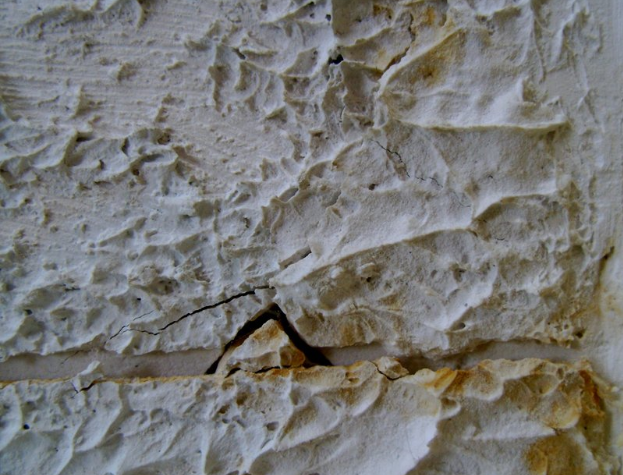
Before reassembling everything, scoop out any sediment, gravel, or debris sitting at the bottom of the sump pit. Silt buildup reduces the effective depth of the pit and can clog the pump intake. While you have the area cleared, take a moment to check the surrounding walls and floor for damp patches or efflorescence, those white chalky deposits that suggest moisture is seeping through.
If you spot mould forming on nearby walls or stored garden equipment, treat it promptly. Treating powdery mildew often signals the same excess humidity that stresses basement areas, so addressing one problem usually helps with the other. A dehumidifier set to 50 percent relative humidity will keep the air dry and reduce the workload on your pump during long wet spells.
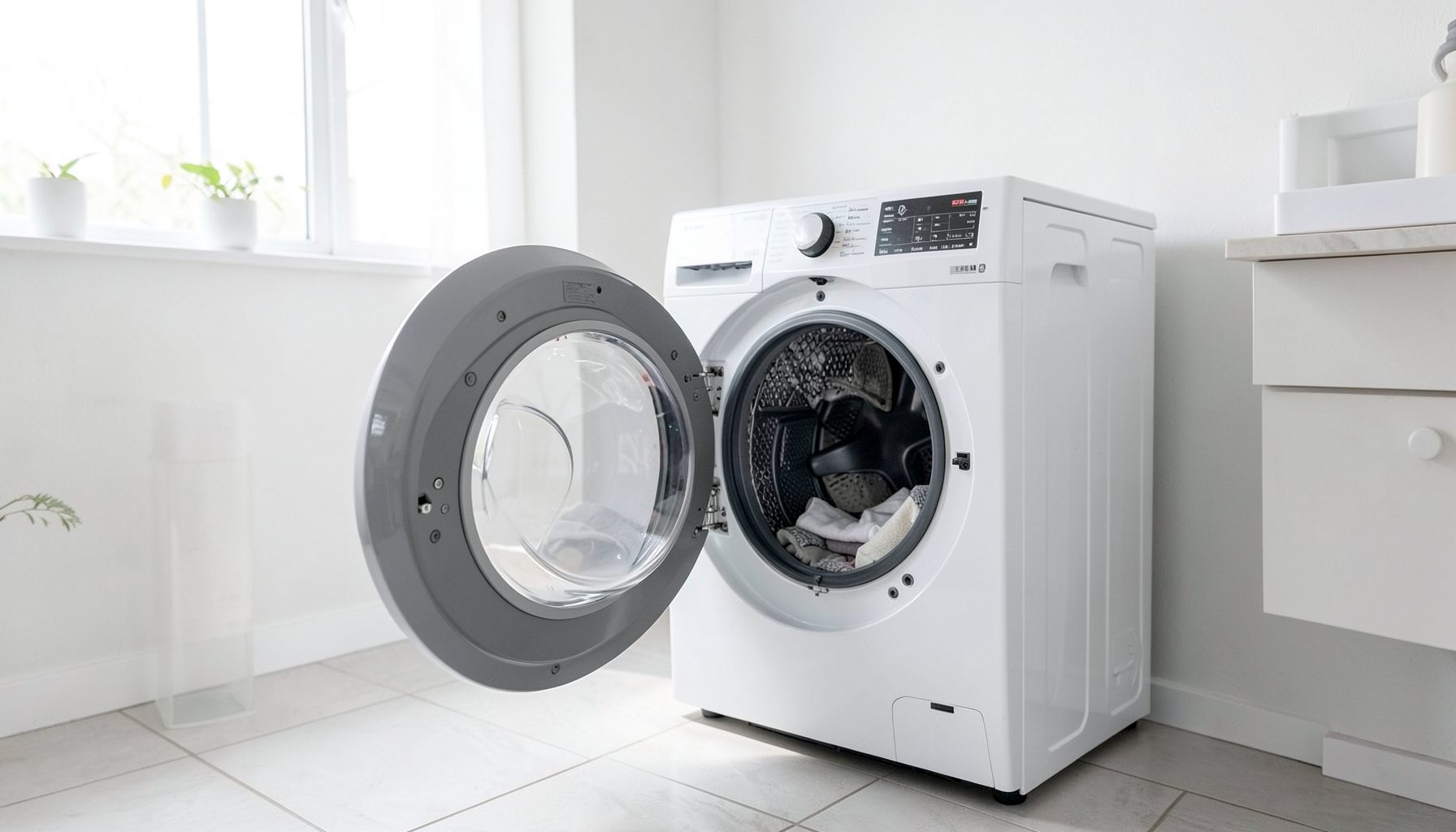
Sticky indoor air also affects how well your clothes dryer performs, particularly if it is vented into the same basement space. When humidity climbs, dryers take longer to evaporate moisture and can run noticeably hotter, which is one of the dryer troubleshooting and repair issues homeowners often overlook. Keeping the basement dry helps every appliance in the room work as intended.
Knowing When to Call a Licensed Plumber
Australian regulations under AS/NZS 3500 govern how stormwater and subsoil drainage must be installed, and any work involving modifications to the discharge line or electrical connections should be carried out by a licensed tradesperson. If your pump is cycling frequently without removing water, or if you hear gurgling from nearby floor drains during operation, the issue may sit deeper in the drainage system than a simple check can resolve.
It is also worth scheduling a professional service every two to three years, particularly if your home sits below street level or has a history of flooding. Trades registered with your state's plumbing authority can test the pump's flow rate, inspect the check valve, and confirm that the installation meets current code. This service typically costs a few hundred dollars and provides peace of mind going into the wet season.
Book a Saturday morning next month to walk through this checklist, pour a bucket of water into the pit, and confirm the pump cycles on and off as it should.