
Why Your Breaker Trips And What To Inspect First
A circuit breaker is designed to interrupt electricity when a circuit carries more current than its wiring can safely handle. That sudden loss of power may be inconvenient, but it is also a warning that something needs attention. Repeated trips should never be treated as a minor nuisance or solved by repeatedly resetting the switch.
The cause may be simple, such as too many high-wattage appliances sharing one circuit. It can also involve a damaged cord, a faulty appliance, moisture near an outlet, or an electrical fault hidden inside the walls. Careful observation can help identify the likely source without exposing you to unnecessary risk.
Before checking anything, switch off or unplug devices near the affected outlets and keep hands away from exposed wiring. If you smell burning, see smoke, hear buzzing, notice warmth around an outlet, or find scorch marks, leave the breaker off and arrange for a licensed electrician to inspect the system.
How The Breaker Responds To Trouble
A standard breaker trips when current rises above the circuit’s rated capacity. This can happen gradually when several demanding appliances operate together, or instantly when a short circuit creates a sudden surge. The breaker’s job is to stop overheated wires from causing a fire.
Some panels also include GFCI or AFCI protection. A GFCI monitors whether electricity is leaking toward ground, which is especially important in kitchens, bathrooms, laundry rooms, garages, and outdoor areas. An AFCI detects electrical arcing that may occur through damaged insulation or loose connections.
The device that trips may not be the breaker in the main panel. A GFCI receptacle with “Test” and “Reset” buttons can cut power to other outlets downstream. Look for these receptacles if the panel appears normal but a portion of a room has lost electricity.
Common Sources Of An Overloaded Circuit
An overloaded circuit is one of the most frequent reasons for a tripping circuit breaker. Portable heaters, air conditioners, hair dryers, microwaves, toasters, irons, and power tools use substantial current. Running multiple high-demand appliances through the same circuit can exceed its safe limit.
Extension cords and power strips can make the problem harder to notice. They do not increase the capacity of a circuit, and connecting one power strip to another can create excess heat. Large appliances should generally be plugged directly into an appropriate wall outlet rather than sharing a lightweight extension cord.
A breaker that trips only when a particular combination of appliances is running often points to overload. Spread equipment across separate circuits when possible, and avoid operating a space heater alongside other major appliances on the same outlet or circuit. If the breaker still trips after the load is reduced, stop using that circuit until the cause is identified.
| What You Notice | Likely Cause | Safe First Check |
|---|---|---|
| Trip occurs when several appliances run | Circuit overload | Unplug high-wattage devices and reduce the load |
| Trip happens as one appliance starts | Faulty appliance or motor surge | Test the appliance on a suitable circuit only if there are no warning signs |
| Outlet or switch feels warm | Loose connection or overload | Stop using it and arrange for professional inspection |
| GFCI reset will not stay in | Ground fault, moisture, or defective receptacle | Unplug nearby devices and check for dampness |
| Breaker trips immediately after reset | Short circuit or wiring fault | Leave it off and contact a licensed electrician |
| Trips occur during rain or damp weather | Moisture intrusion or outdoor fault | Disconnect outdoor equipment and keep the circuit off |
Problems Inside Appliances And Cords
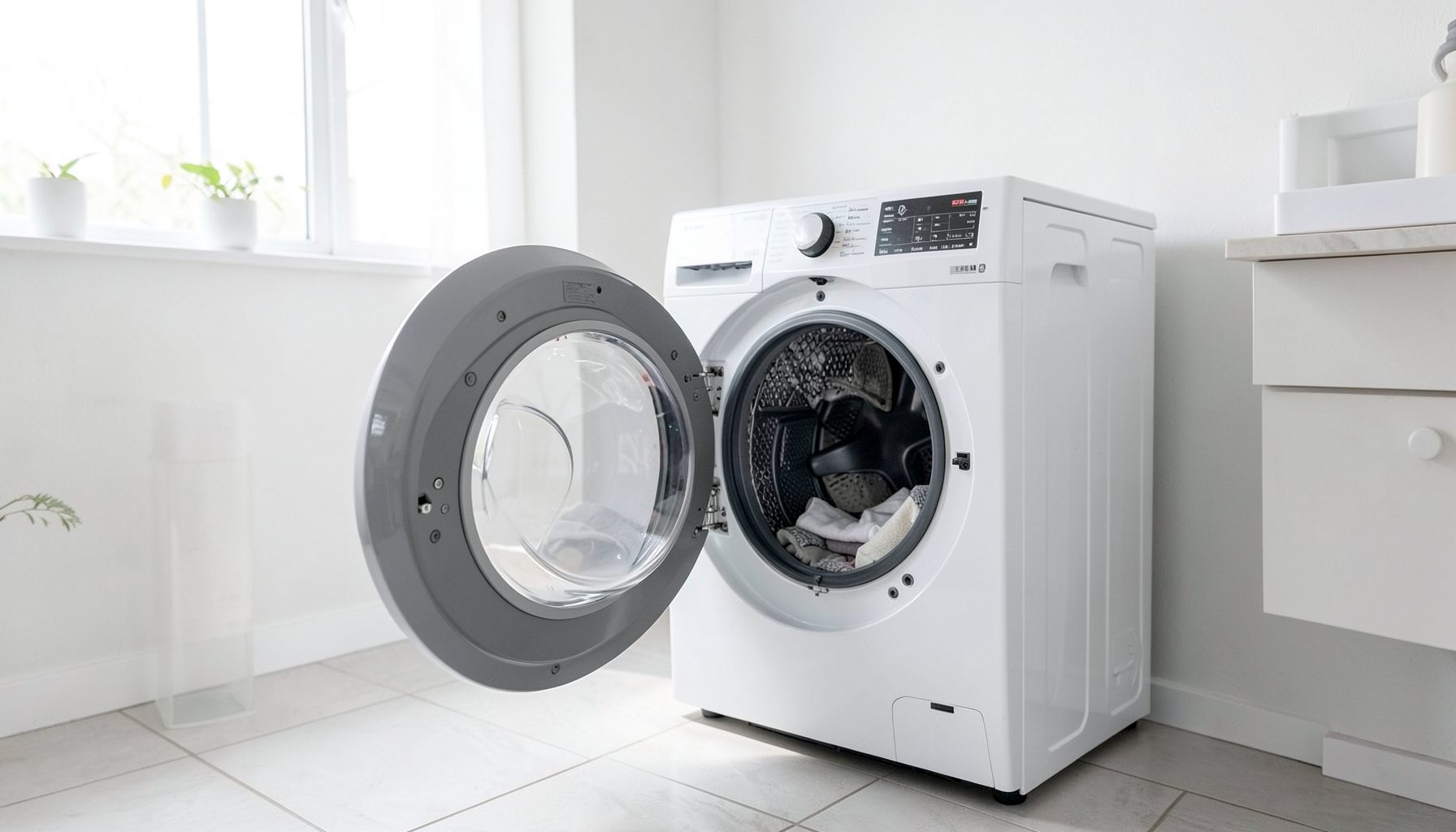
An appliance may cause the breaker to trip because of a failing motor, damaged heating element, worn insulation, or internal short. Refrigerators, washing machines, dishwashers, and HVAC equipment can also create a brief startup surge. If the breaker trips whenever one specific device is connected, that appliance deserves closer attention.
Inspect the plug and cord without taking the appliance apart. Look for cuts, crushed sections, melted plastic, discoloration, loose prongs, or a cord that feels unusually warm. Do not use a device with visible damage, and do not replace a fuse or breaker with one rated for more current.
Unplug the suspected appliance and reset the breaker once. If the circuit remains on, the appliance may be the source. Testing it repeatedly can worsen a dangerous fault, so discontinue use and have the unit repaired or replaced. If the breaker trips with several unrelated devices, the issue is more likely within the circuit itself.
Moisture, Damage, And Hidden Electrical Faults
Water and electricity are a dangerous combination. A damp outlet, leaking appliance, wet crawlspace, or exterior receptacle exposed to rain can trigger GFCI protection or cause a short. Never reset a device while standing on a wet surface, and never touch an outlet that has been submerged.
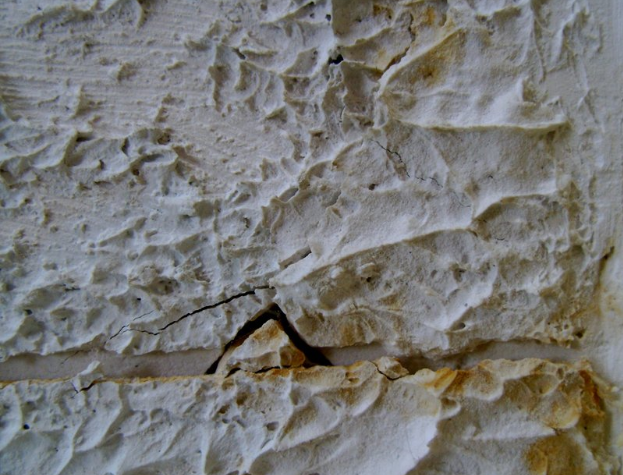
A slow plumbing leak may eventually affect nearby wiring, cabinetry, flooring, or wall cavities; homeowners can review drain warning signs before minor moisture problems spread. Electrical trips near a sink, laundry connection, water heater, or bathroom should be considered especially important.
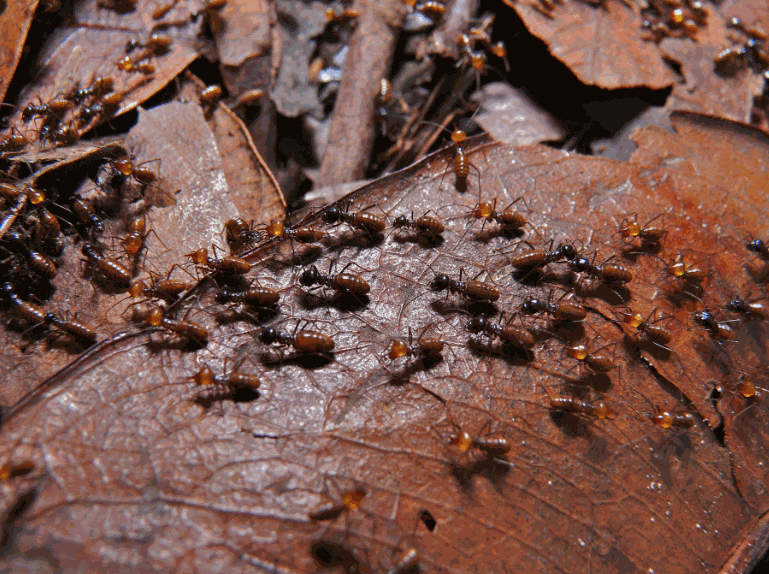
Pests can also damage insulation and create access points around wiring. In crawlspaces, termite activity may be relevant when investigating damaged wood or concealed building components; learning to spot termite mud tubes can help homeowners recognize a separate warning sign that deserves prompt attention. Do not enter a dark or damp crawlspace to inspect electrical cables without proper safety equipment and professional guidance.
A Safe Reset And Inspection Routine
When there are no signs of fire, water, or physical damage, a careful reset may restore power. Move the breaker firmly to the fully “Off” position first, then switch it to “On.” Some breakers appear on while sitting in a tripped middle position, so this complete movement matters.
If a GFCI receptacle has tripped, unplug nearby devices before pressing “Reset.” If it immediately trips again, leave it off. The fault may be in a connected appliance, a damp location, another outlet downstream, or the receptacle itself.
Use the following basic checks without removing the panel cover or receptacle faceplate:
- Note which rooms, outlets, or appliances lose power when the device trips.
- Unplug portable equipment and inspect cords for heat, cuts, crushed insulation, or discoloration.
- Check for water near sinks, laundry areas, outdoor outlets, bathrooms, and appliances.
- Record whether the trip happens at startup, during heavy use, or at random times.
- Keep the breaker off if it trips immediately after a reset or produces any unusual sound or smell.
When Professional Help Is Necessary
A single trip caused by an obvious overload may be resolved by reducing the electrical load. Repeated trips, however, indicate that the circuit is not operating normally. An electrician can test for loose terminals, damaged cable, incorrect breaker sizing, failing receptacles, arc faults, and problems in the service panel.
Do not remove the panel cover, tighten electrical connections, bypass a GFCI, or install a larger breaker to stop nuisance trips. A larger breaker may allow wiring to overheat before protection activates. Electrical work involving concealed wiring, panel components, or new circuits should be handled by a qualified professional familiar with local requirements.
Keep a record of the affected breaker, appliances in use, weather conditions, and any warning signs. This information can shorten the diagnostic process and help identify an intermittent fault. Arrange an inspection promptly when the same breaker trips more than once, especially in an older home or after renovation work.
Treat every unexplained power interruption as useful information about your home’s electrical system. Unplug questionable devices, keep damaged or wet circuits switched off, and schedule a licensed inspection when the cause is uncertain. Acting early can protect wiring, appliances, and the people who live in the home.